



Top 10 essential oils to use in a diffuser
Aromatherapy has captured the hearts of people all over the world with its power to combine pleasure with numerous benefits: It invigorates the senses, relaxes the mind and creates a cozy atmosphere. There are various methods of using essential oils, which cater for aal tastes and preferences, from relaxing massages with exclusively combined oils to refreshing rooms with aroma lamps.
Aroma diffusers have gradually become a common feature of most modern homes’ interior. In this article we are going to look at why this device has been gaining popularity and which are the 10 best essential oils to use in diffuser-assisted aromatherapy.
What is diffuser-assisted aromatherapy?
Generally speaking, this method consists of diffusing essential oils into the air so that they can be inhaled. This approach makes it possible for spaces to be filled with pleasant scents that may also bring benefits to our health and well-being. Inhaling essential oils can help reduce stress, improve our mood, enhance concentration and even relieve symptoms like nasal congestion and coughing.
Diffusers are devices that use ultrasound, heat or a fan to disperse aromatic molecules in the air. They are easy to use, which makes them a very convenient way to make use of the beneficial properties of essential oils, regardless of whether you seek relaxation, mind-refreshing effects or improving the quality of air inside closed spaces.

How to choose what kind of essential oil diffuser to use?
There are several types of essential oil diffusers, each with their own advantages and specific applications. Lat us look at what distinguishes them:
Evaporative diffusers
These diffusers are supplied with a fan that blows air through a filter soaked with an essential oil. The aroma is dispersed in the room without heating or adding water. Evaporative diffusers are quiet, easy to use and most appropriate for smaller spaces. They are often used in cars or other vehicles. However, they are not that suitable when you need long-lasting, even diffusion of the aroma.
Heat diffusers
As the name suggests, these types of diffusers use heat to evaporate the essential oils used – usually produced by a candle or an electric heating element. This method is effective for creating a warm, cozy atmosphere. Also, aroma candle lamps are among the most affordable options on the market.
The downside of heat diffusers is that excessive heat can change the chemical composition of essential oils and thus reduce their therapeutic properties. There can also be some negative effects of burning candles inside closed spaces1, which can make growing numbers of people want to avoid that.
Ultrasonic diffusers
These are the most common models and it certainly is not without a reason! They function by mixing water with essential oils to produce a fine mist under the effect of ultrasonic waves. Their main advantage is that they do not heat the essential oils, which preserves their beneficial properties best. Apart from that, they humidify the air, which solves the problem of dry air in the room.
Nebulizers
Nebulizers are the most effective type of aroma diffusers when it comes to extracting the therapeutic benefits of essential oils. They operate without water or heat, breaking the oils into microparticles and dispersing them into the air. This allows for most intensive and fast aroma diffusion. However, nebulizers are noisier and use bigger quantity of essential oils than other types of diffusers, which makes them a more expensive option in the long term.
Neither type of diffusers is “the best option for all times and people” – the choice would depend on your personal needs and preferences.
How many drops of essential oil do you put in a diffuser?
The quantity of essential oils you need to use depends on four main factors:
• The size of the room
• The capacity of the diffuser
• The type of device used
• Your personal preference of aroma density
As a general rule, it is recommended to add 3 to 5 drops of essential oil in every 100 ml of water in the diffuser’s reservoir.
Here are some general guidelines to follow:
• Small rooms (up to 10 m2): 3-5 drops are absolutely enough for creating a gentle and pleasant atmosphere.
• Medium-sized rooms (10 – 20 m2): Add 5-8 drops to guarantee even aroma diffusion.
• Large rooms (over 20 m2): Use 8-12 drops of essential oil for achieving a stronger effect
• When using nebulizers you will need to follow the manufacturer’s instructions.
It is essential not to use excessive quantity of essential oils since a very strong scent can cause headaches or discomfort, especially in closed spaces. In case aromatherapy is a new field of experience and knowledge for you, it would be better to start with smaller quantities and adjust gradually according to your preference.
Keep in mind that you will need smaller quantities of essential oils with stronger aroma (like peppermint or eucalyptus), while softer aromas like lavender can be used in standard amounts.

Best essential oils to use in an aromatherapy diffuser
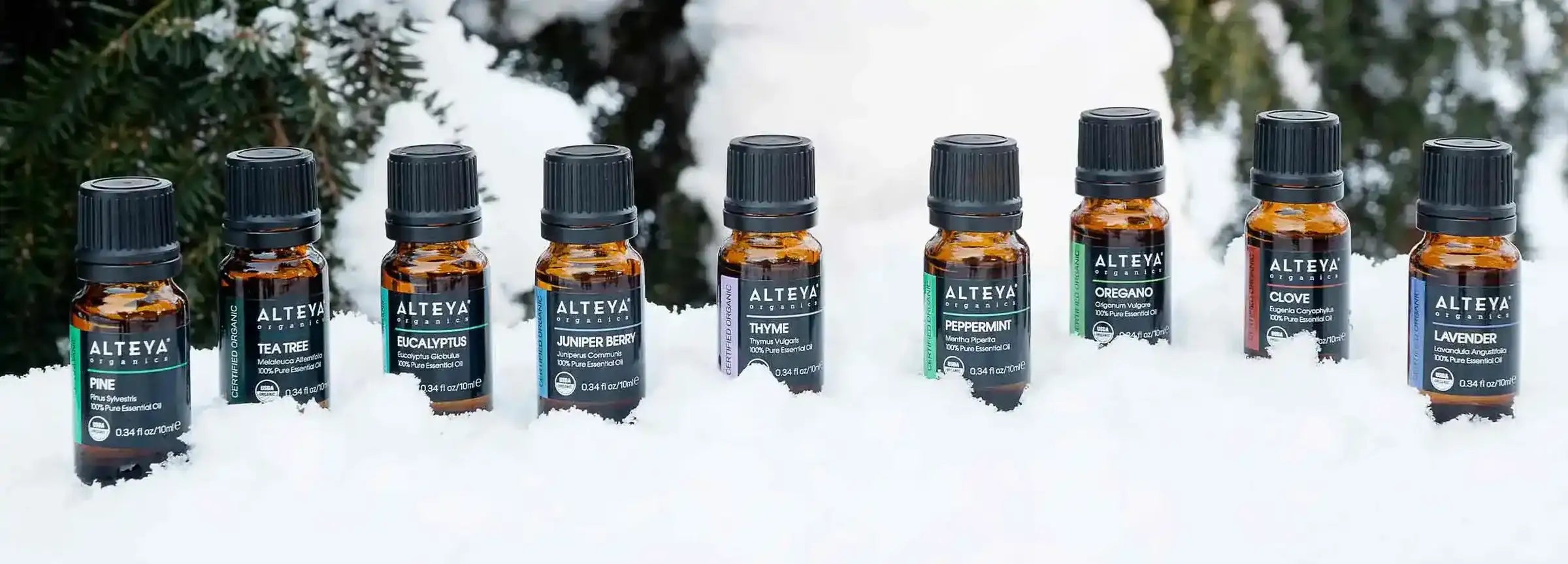
While the choice of what essential oils to use would depend on your personal preferences or specific needs at any one moment, certain oils are considered to be an indispensable part of every natural remedy lover’s collection. The following are the 10 best essential oils to use in a diffuser:
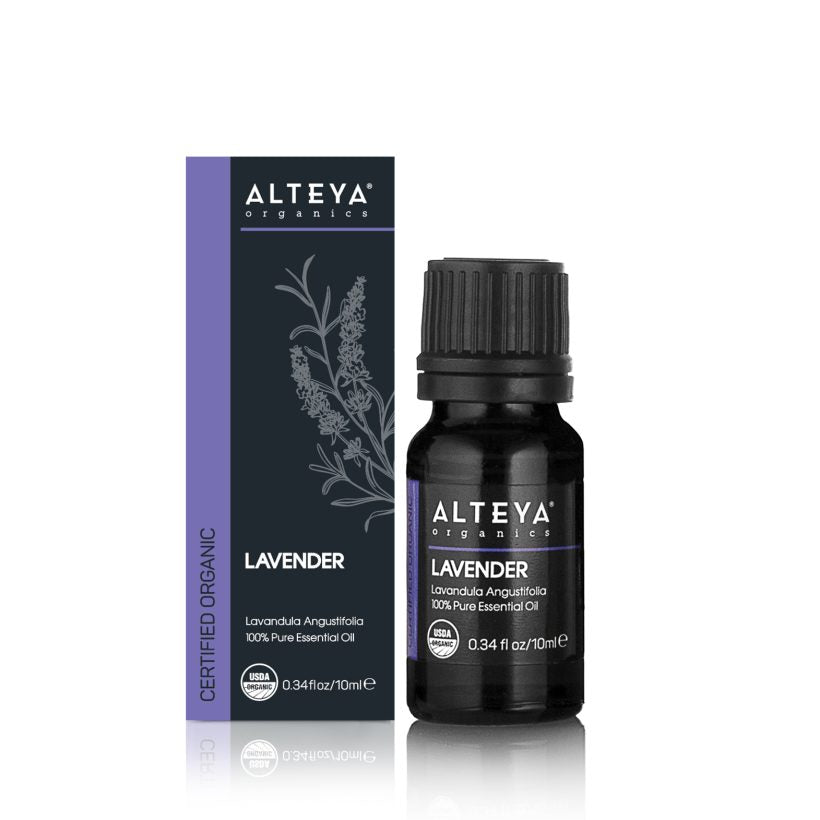
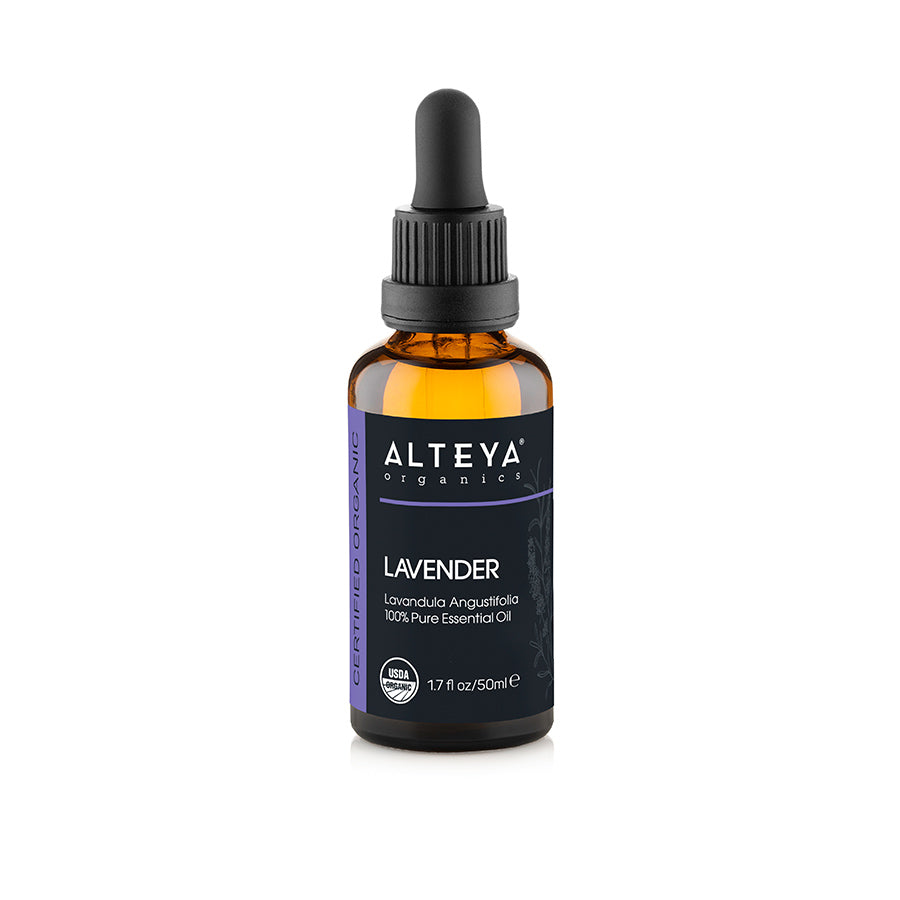
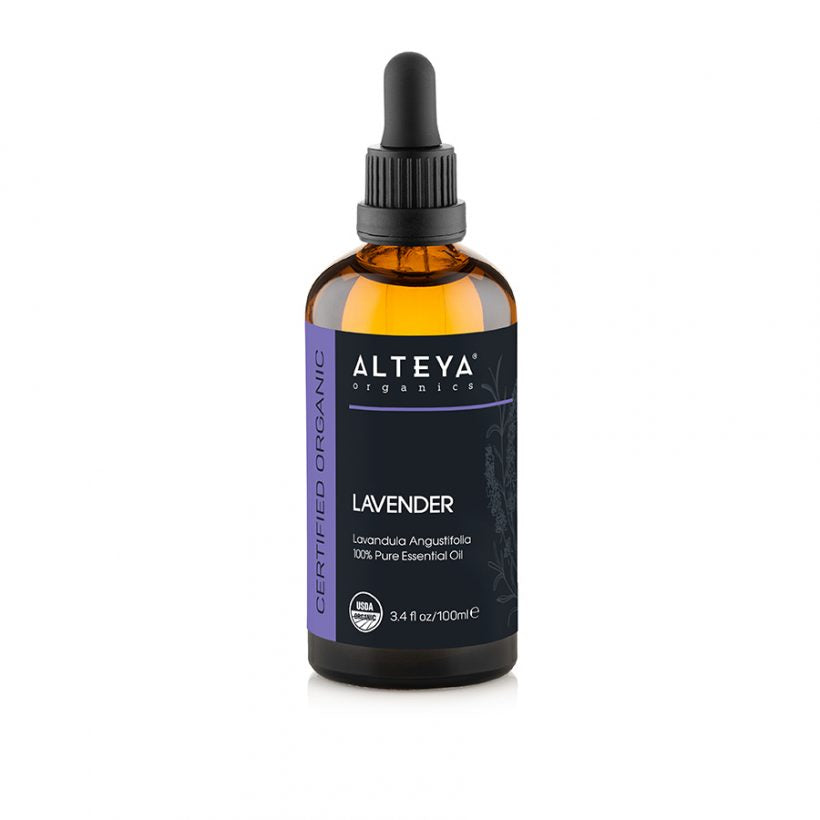
1. Lavender oil
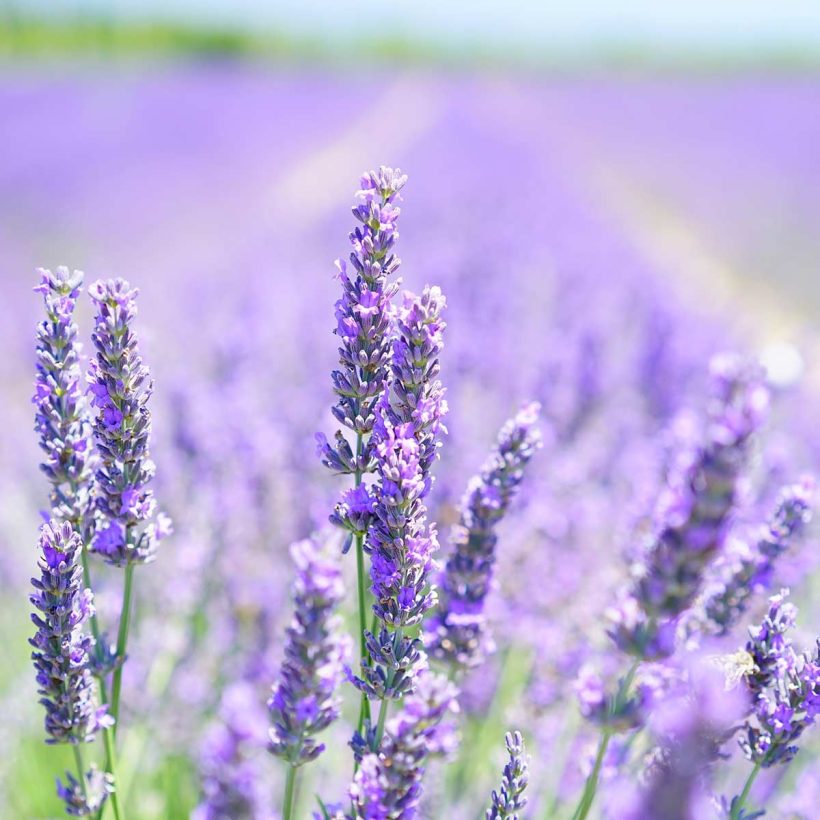
Lavender oil is a common choice and perhaps the most popular essential oil worldwide. Well-known for its relaxing properties, lavender oil has the potential to calm the mind and the body, to reduce stress and create conditions for better sleep. Its soothing scent also creates a cozy atmosphere, ideal for unwinding after a stressful day.
DESCRIPTION
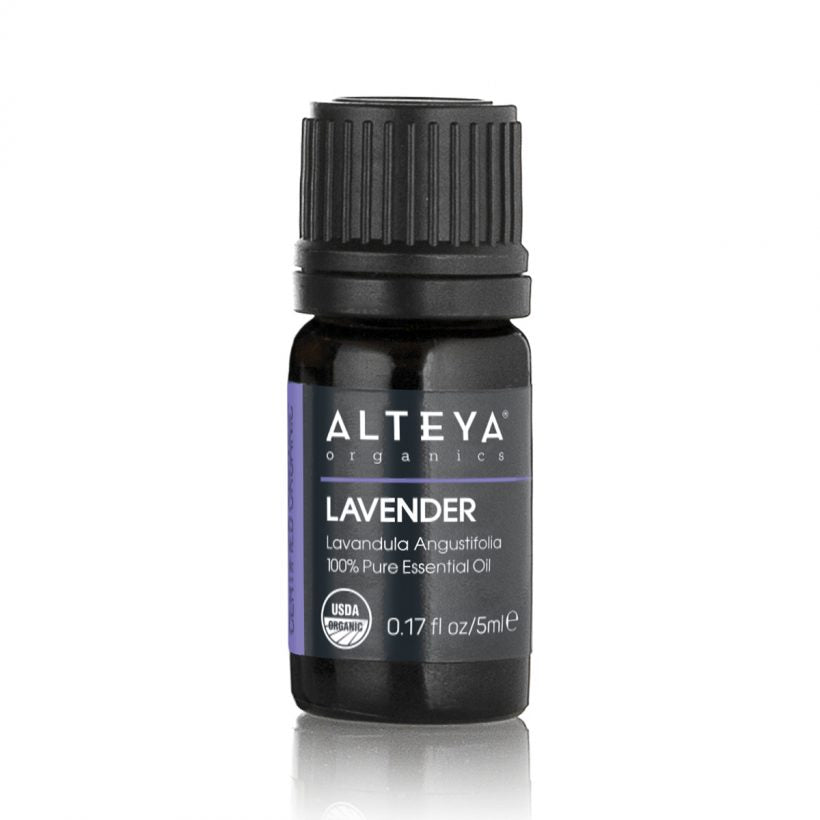
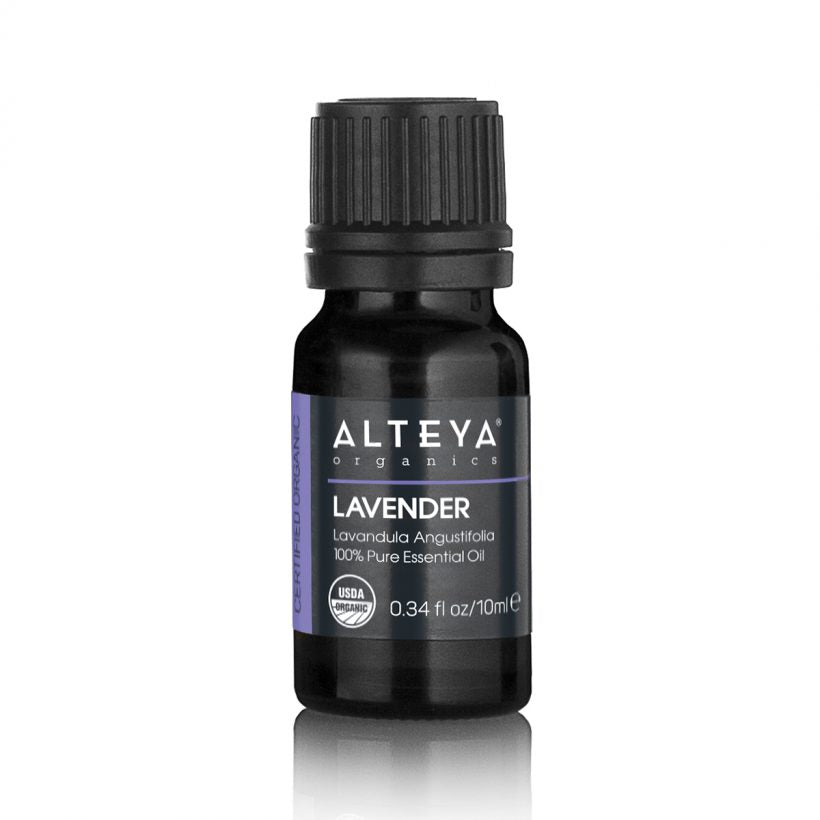
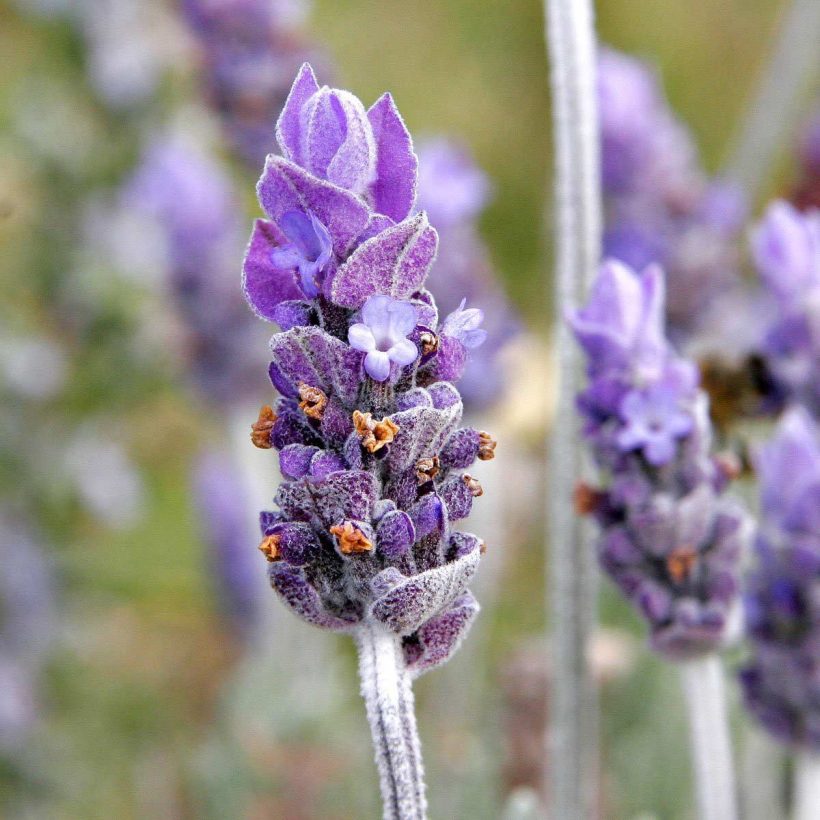
Our Organic Bulgarian Lavender essential oil is extracted through steam distillation of the Lavandula Angustifolia (also known as Lavandula Officinalis, Spica and Vera) plant belonging to the Lamiaceae family. It has a pronounced, rich, floral, soothing aroma.
Our high quality organic Lavender oil possesses superior therapeutic and fragrance qualities due to the specific geographic and climate conditions in the area (The Rose Valley in Bulgaria).
Lavender oil is one of the most preferred essential oils because of its many benefits, its versatility and its pleasant aroma. It is also considered one of the safest essential oils.
Lavender essential oil has been found to have the ability to eliminate some harmful bacteria, disinfect and soothe inflamed skin (especially when it results from insect bites), and promote faster healing of injured skin. Thanks to its powerful antioxidant action, it helps to improve the appearance of the skin, protecting it from the harmful free radicals.
Used in hair care, Lavender oil acts as an antiseptic that cleanses the scalp and helps combat inflammation, irritation and dandruff.
Added to a massage blend, this calming oil oil can help relieve muscle tension, menstrual pain, and headache.
When used in aromatherapy, Lavender oil helps reduce stress by relaxing the brain nodes. It is believed that it could have a positive effect on depression in some people by balancing hormone levels and reducing the feeling of nervous tension. Due to its soothing and relaxing properties, Lavender oil can also contribute to the lenght and quiality of sleep.
Aromatically Bulgarian Lavender oil blends well with Bergamot, Grapefruit, Lemongrass, Sweet Orange, Neroli, Ylang Ylang, Palmarosa, Roman Chamomile, Frankincense, Cedarwood, Geramium, Black Pepper, etc.
SUGGESTED USE
Diffuse Bulgarian Lavender essential oil when you need to relieve headache, nausea, or when you have a trouble with falling asleep. Bulgarian Lavender oil would also deodorize stale air or fabrics.
Add Bulgarian Lavender essential oil to a massage blend to soothe pain from different origin – menstrual, muscle, joint, headache…This massage would also help you unwind, relieving tension and stress.
Add Bulgarian Lavender essential oil to a cosmetic product such as a cream or lotion to experience its toninig, soothing, energizing action. It will work to relieve dry skin and itching and will promote faster healing of pimples, cuts, wounds, and bug bites and stings.
Dilute Bulgarian Lavender essential oil into your shampoo. The regular use will cleanse the scalp, increase blood circulation and enhance hair growth.
Add Bulgarian Lavender essential oil to bath salts and enjoy a relaxing bath that will help to relieve a tired and aching body. Lavender essential oil would also combat the harmful effects of contaminants on the skin by inhibiting bacterial growth and reproduction.
INGREDIENTS
Lavandula Angustifolia (Lavender) Flower Oil*
*Certified Organic Ingredient
SAFETY
For external use only. Always dilute. Possible skin sensitivity. Keep out of reach of children. If you are pregnant, nursing, or under a doctor’s care, consult your physician. Avoid contact with eyes, inner ears, mucous membranes and sensitive areas.
2. Frankincense oil
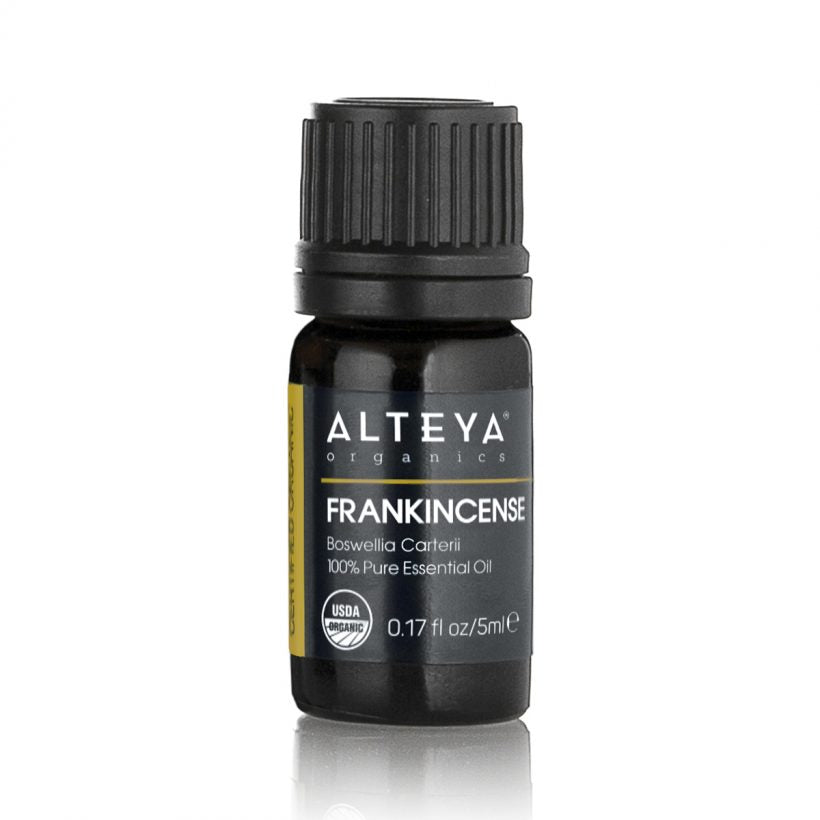
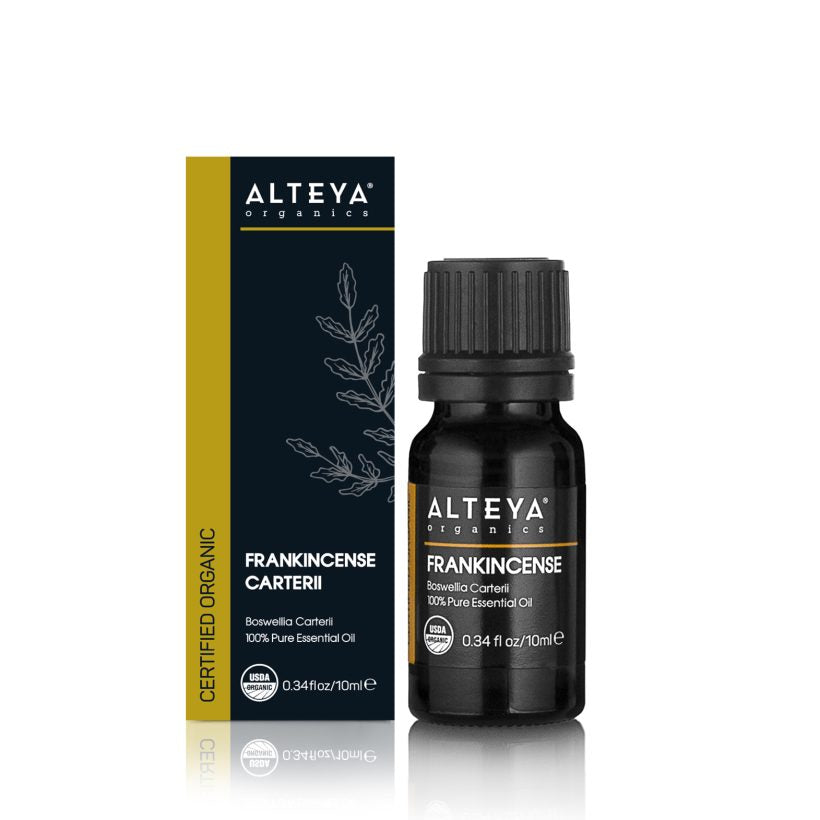
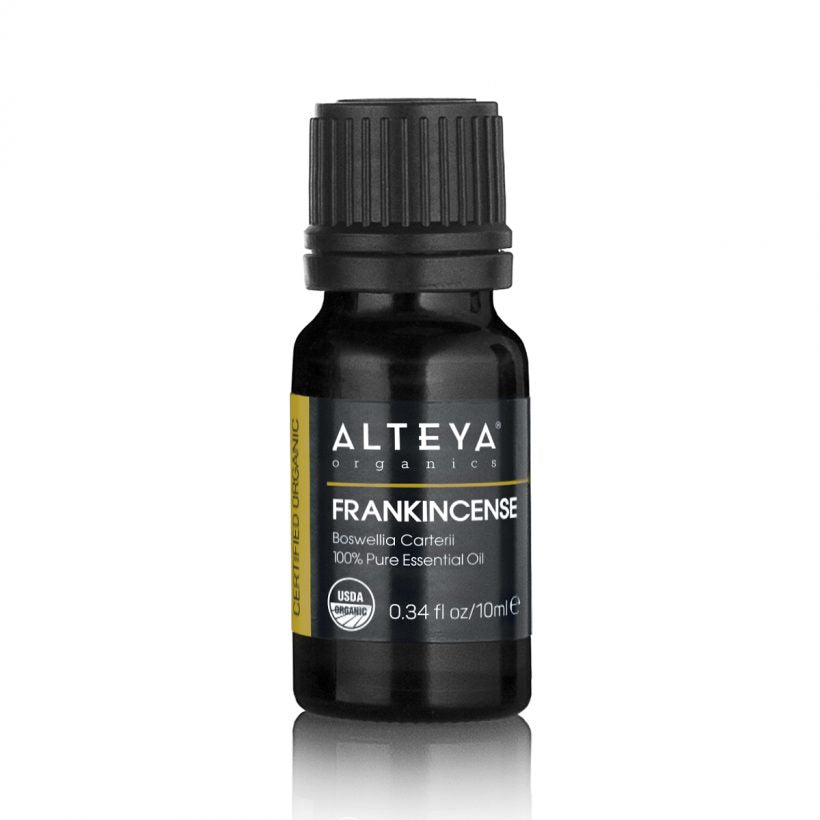
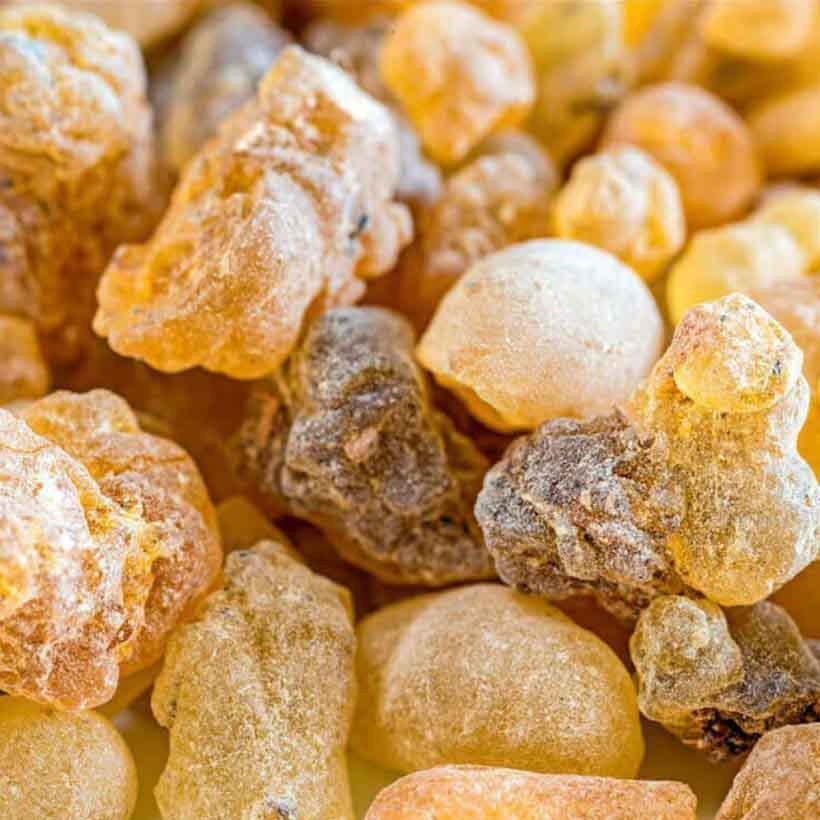
Frankincense oil provides multiple benefits including calming the mind and supporting the proper functioning of the respiratory tract. It is a valuable meditation facilitator as it promotes a sense of spiritual balance.

DESCRIPTION
/BOSWELLIA CARTERII/
Boswellia Carterii (also known as African Frankincense) essential oil is derived from the resinous dried sap of the Boswellia Carterii tree that typically grows in Northeastern Africa. This essential oil has a wide range of uses, from enhancing spiritual and meditative practices to use in daily beauty and skincare routines. Frankincense Carterii oil has an earthy, fresh and woody uplifting aroma that’s perfect for grounding, connectedness and spiritual health.
This essential oil is known for its ability to promote skin elasticity and improving the appearance of aging, scarring and other skin imperfections. It also may help reduce the appearance of uneven, dull-looking skin. Used in aromatherapy, Frankincense Carterii’s stimulating aroma is believed to possess the ability to bring one to a state of wholeness, stimulating body and mind to move toward wellness.
Extraction method: Hydro- distillation
Parts used: Resin (Gum)
Aromatic profile: Smoky top notes balanced with sweet woody-resinous body notes and clear, musky, soft, balsamic tones in the dry down
Note: Base note, excellent fixative
Blends well with: Bergamot, Cedarwood, Myrrh, Sweet Orange, Pine, Sandalwood, Lemongrass, Lavender
BENEFITS
May reduce the appearance of fine lines and wrinkles by promoting skin firmness and suppleness. Promotes the appearance of healthy, radiant skin.
May be beneficial to scarred, burnt and damaged skin or stretch marks.
It is known to support skin and body detoxification.
May provide respiratory support thanks to its boswellic acid content.
Its smooth and stimulating aroma enhances mood, calms the mind and soothes the senses.
*For educational purposes only. These statements have not been evaluated by the European Medicines Agency. This information is not intended to diagnose, treat, cure, or prevent any disease.
SUGGESTED USE
Add few drops to base oil and gently rub onto skin. This blend could help relax tensed muscles and relieve aching joints.
Add few drops to your favorite moisturizer or your DIY skincare to promote skin rejuvenation and overall skin health.
Diffuse when you are worried, nervous, worked up or overwhelmed.
INGREDIENTS
Boswellia Carterii (Frankincense) essential oil*
*Certified Organic Ingredient
SAFETY
For external use only. Always dilute. Possible skin sensitivity. Keep out of reach of children. If you are pregnant, nursing, or under a doctor’s care, consult your physician. Avoid contact with eyes, inner ears, mucous membranes and sensitive areas.
3. Citrus oils
Citrus oils like lemon, grapefruit and bergamot have an energizing and refreshing effect. What is specific for them is that they are usually extracted through cold press, which preserves the freshness of their aroma.
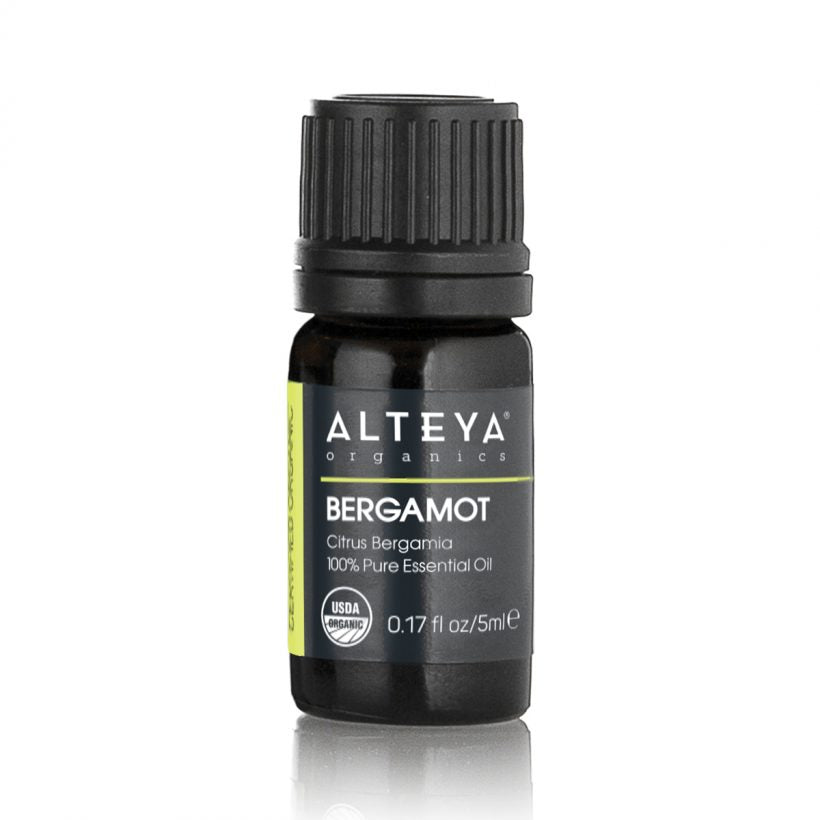
Despite the lack of specific scientific research into their therapeutic efficacy when diffused, they certainly create an atmosphere of irresistible freshness at home. Bergamot oil (the recognizable ingredient of Earl Grey tea) has the power to balance emotions and uplift our mood.
To make a refreshing blend of citrus oils, add the following quantities to 100 ml of water:
• 3 drops of bergamot oil
• 2 drops of lemon oil
• 1 drop pf grapefruit oil
Lemon oil provides freshness; bergamot adds sweetness while grapefruit creates depth.
DESCRIPTION
/CITRUS LIMON/
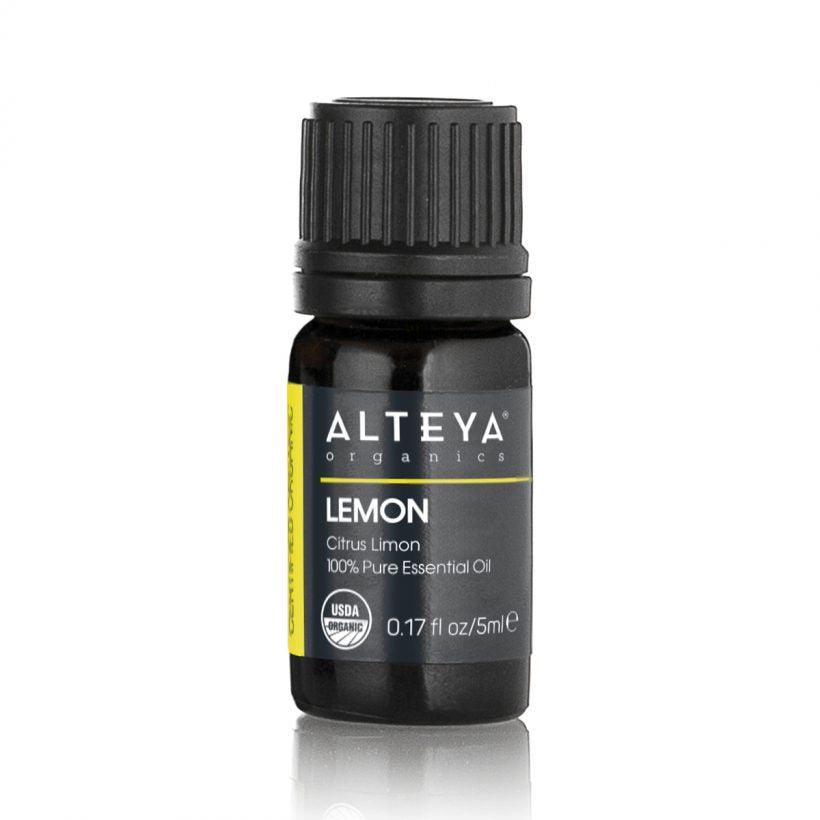
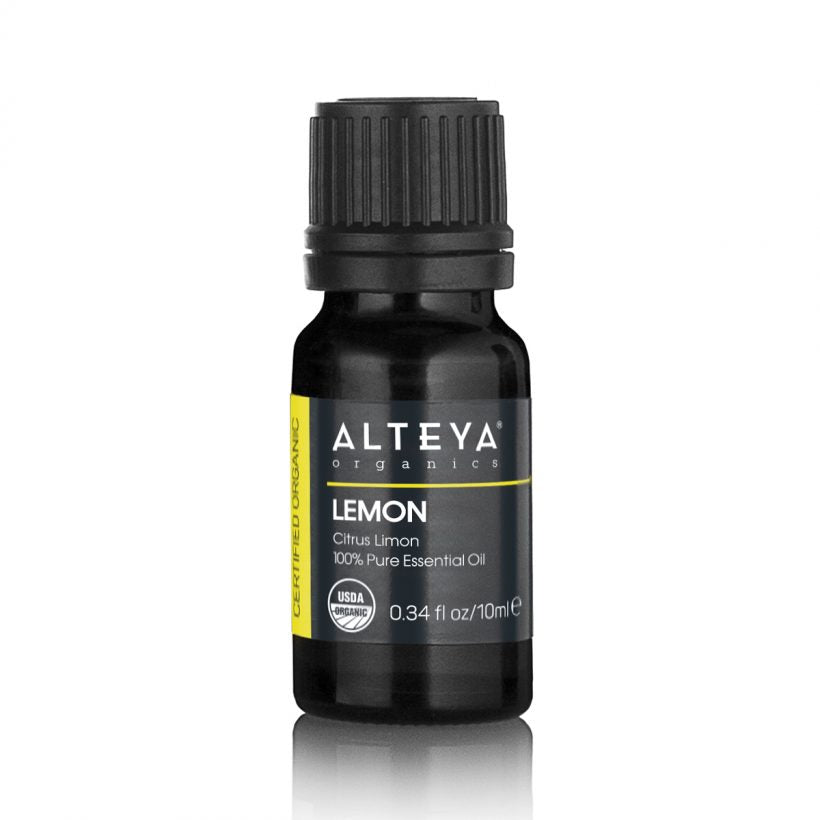
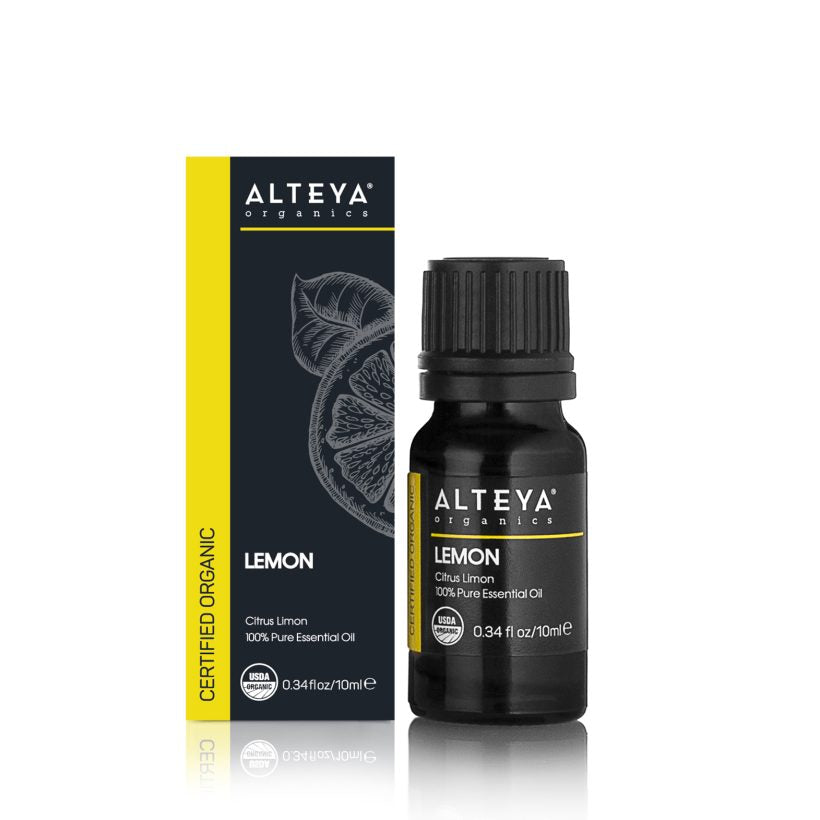
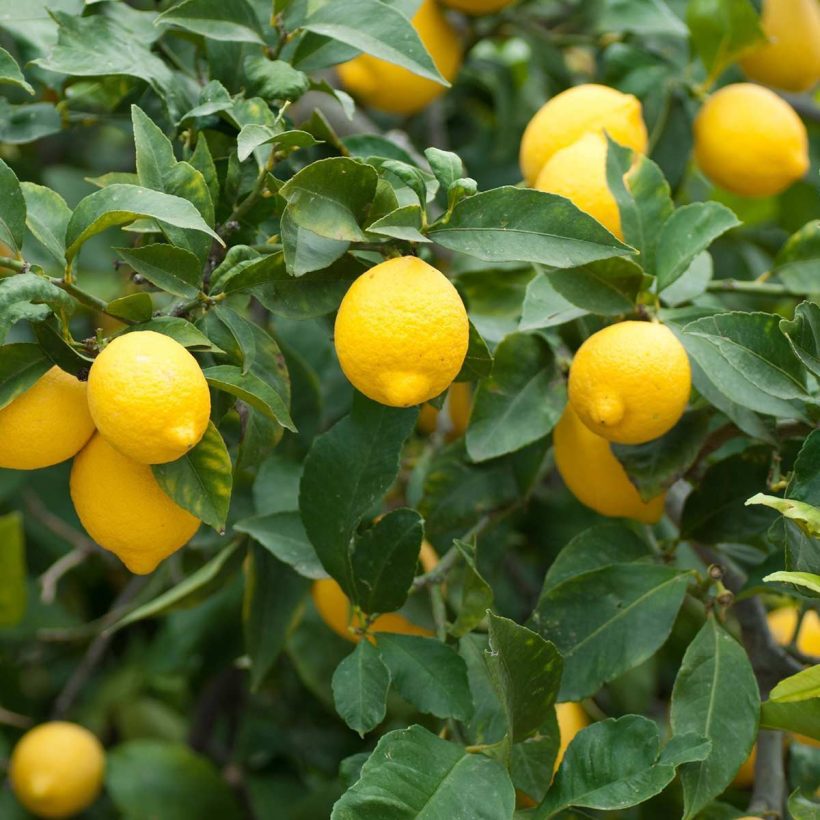
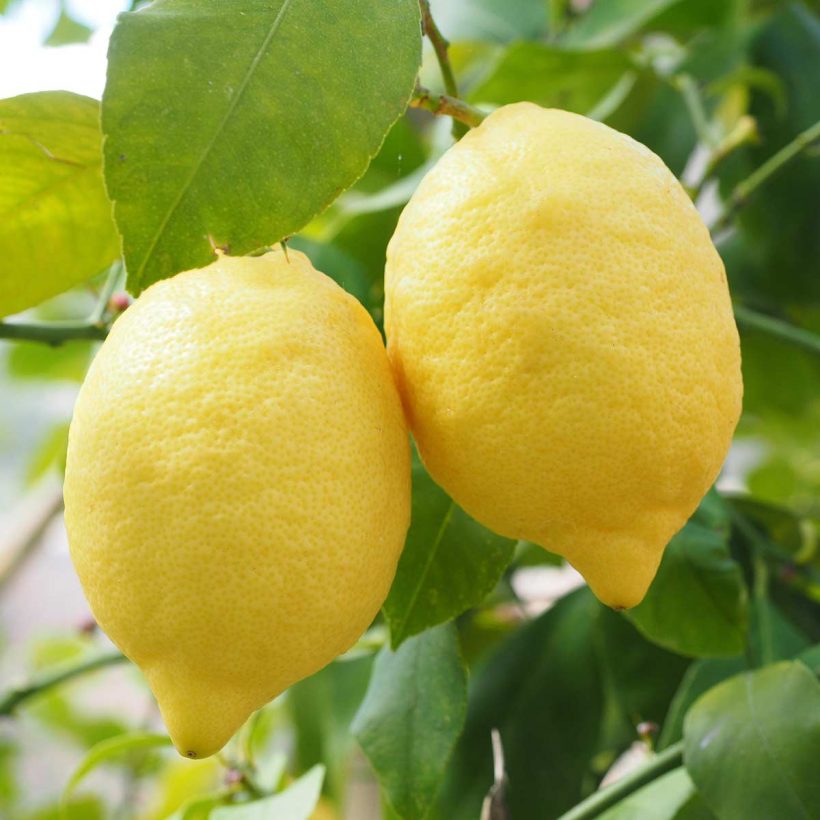
Lemon essential oil is extracted by cold pressing the rind of the fruit of the Citrus Limon tree. Lemon oil has a tinge, fresh aroma with a distinct citrus note and is a top perfumery note.
Lemon essential oil is reputed with antibacterial, disinfectant, and detoxifying properties. Due to its antimicrobial and astringent properties, lemon oil has a beneficial effect on oily and combination types of skin. It can also be used for mild exfoliation and to reduce hyperpigmentation. Lemon essential oil can cause photosensitivity, so it should not be used before sun exposure.
It is believed that lemon oil can increase energy as well as improve metabolism. Used for massage (pre-diluted in base oil) can stimulate blood circulation as well as the function of the digestive system.
Used in aroma lamp or aroma diffuser, it purifies the air in the room. At the same time, it creates a positive atmosphere, increases concentration and revitalizes.
Due to its antimicrobial properties, lemon oil can clean not only the air but also various surfaces.
Lemon oil blends well with other essential oil such as Lavender, Rose, Geranium, Rosemary, Peppermint, Cinnamon, Clove, and other citrus oils.
SUGGESTED USE
Diffuse Lemon essential oil when you want to create a cheerful atmosphere or when you want to promote easier breathing by clearing nasal passages.
Add Lemon essential oil to your DIY facial cleansers and toners to tighten, brighten skin and regulate sebum production.
Add Lemon oil to your shampoo to promote clearer scalp and boost healthy hair growth.
Create a DIY natural cleansing product by diluting several drops of Lemon oil and Tea tree oil into equal parts vinegar and water.
INGREDIENTS
INCI: Citrus Limon (Lemon) Oil*
*Certified Organic Ingredient
SAFETY
For external use only. Always dilute. Possible skin sensitivity. Keep out of reach of children. If you are pregnant, nursing, or under a doctor’s care, consult your physician. Avoid contact with eyes, inner ears, mucous membranes and sensitive areas.
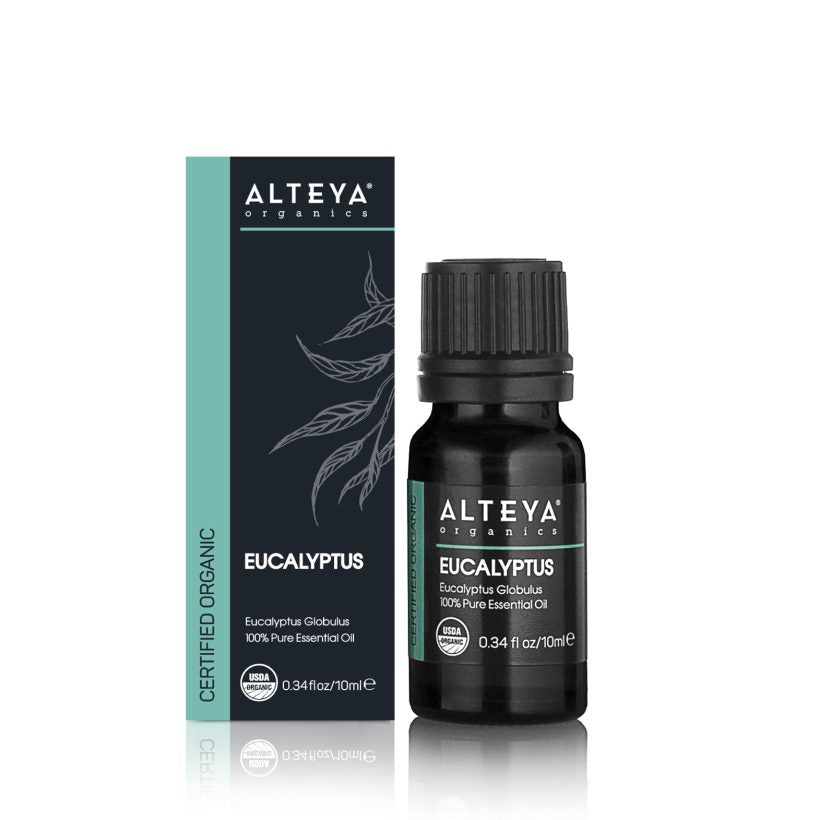
4. Eucalyptus oil
Eucalyptus oil has a refreshing aroma and it also helps relieve respiratory problems. It creates a cooling sensation, which makes it an ideal remedy not only for frequent winter colds but for the summer heat as well.
Note: Avoid getting your face very close to the diffuser’s outlet when using eucalyptus oil in order to prevent skin or nasal irritation.
DESCRIPTION
/EUCALYPTUS GLOBULUS/
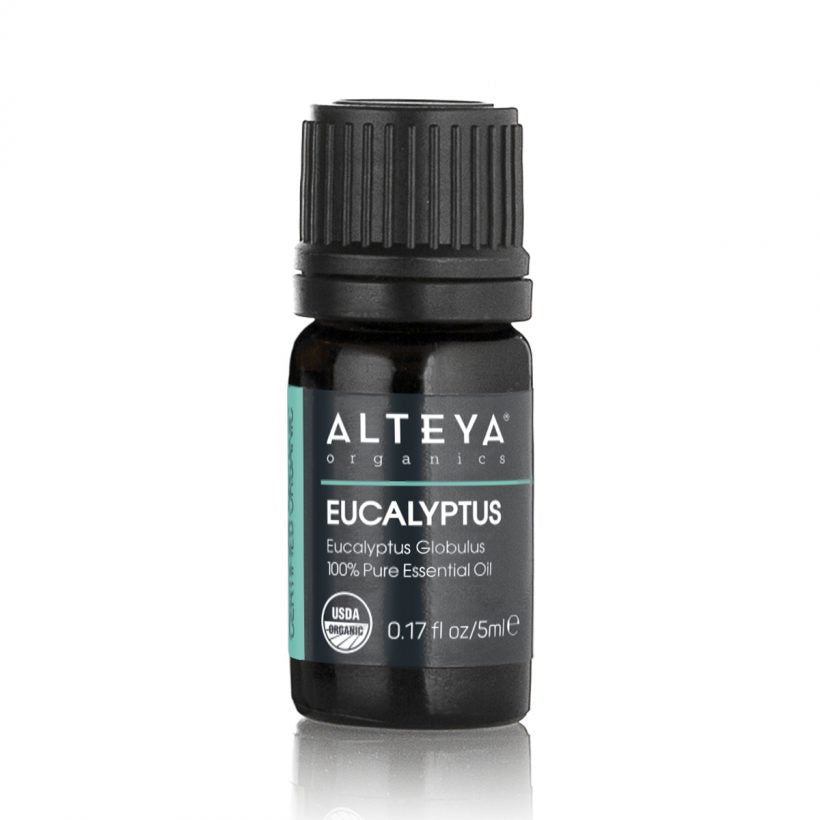
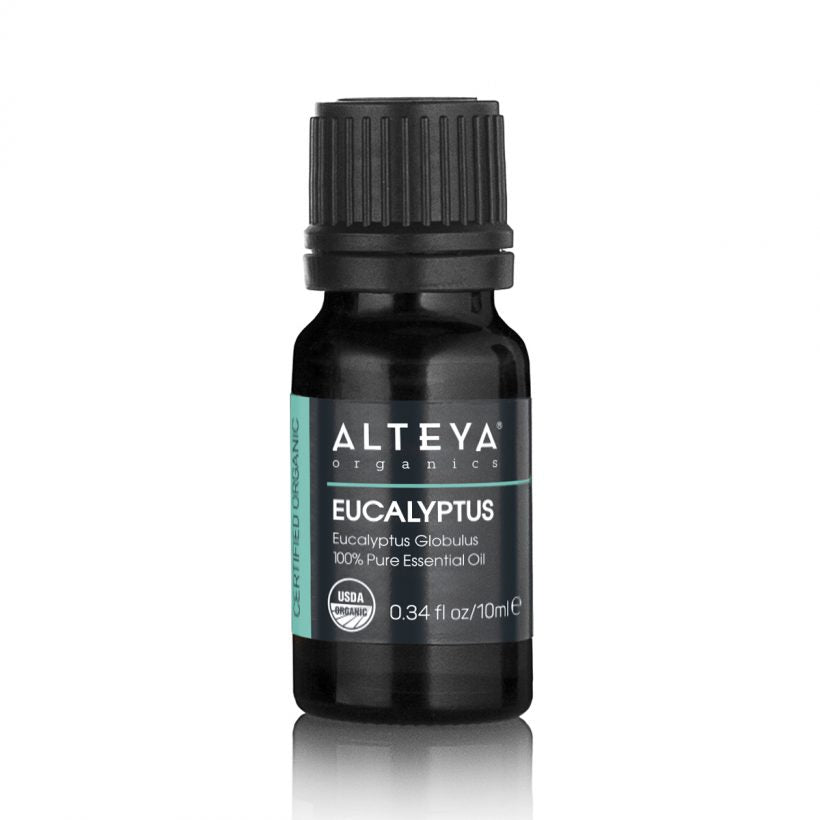
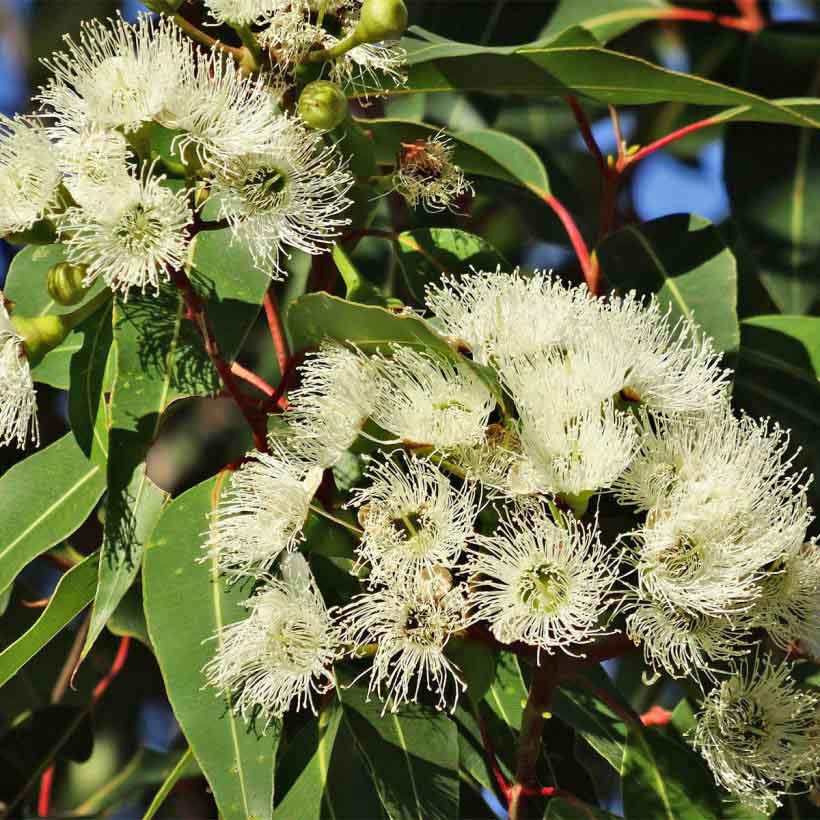
Eucalyptus essential oil is extracted from the skin and leaves of the Eucalyptus Globulus tree by steam distillation. It is transparent fluid with cool refreshing, woody and medicinal scent.
Used in aromatherapy Eucalyptus essential oil stimulates the mind and energizes the body. It is also known to help relieve airways during a cold or flu and to eliminate harmful bacteria.
Used cosmetically Eucalyptus essential oil is reputed to aid in skin regeneration processes. It is also beneficial for acne-prone skin – to cleanse and disinfect it. It can also have soothing action on insect bites and stings as well as aid in faster healing of wounds, cuts, burns, and sores. Used in haircare, this oil moisturizers and cleanses dry or itchy scalp.
Eucalyptus oil can effectively serve as a cleaning product for the kitchen due to its antibacterial and antimicrobial properties.
Aromatically Eucalyptus essential oil blends well with Peppermint, Spearmint, Thyme, Rosemary, Pine, Cedarwood, Lavender, Lemon, Bergamot oils.
SUGGESTED USE
Diffuse when you have high stress levels or when you need to clear your mind and uplift your mood.
Add a few drops to your moisturizer or home-made skin cleanser to balance and energize your complexion and purify skin.
Use it as a key ingredient into your home-made natural repellent or anti-perspirant.
Put a few drops into your shampoo, body lotion or liquid body wash to enhance their fragrance and benefits.
INGREDIENTS
Eucalyptus Globulus (Eucalyptus) essential oil*
*Certified Organic Ingredient
SAFETY
For external use only. Always dilute. Possible skin sensitivity. Keep out of reach of children. If you are pregnant, nursing, or under a doctor’s care, consult your physician. Avoid contact with eyes, inner ears, mucous membranes and sensitive areas.
5. Rose oil
Extracted through steam distillation of delicate rose petals, rose oil is a real treasure for our senses. It is well-known as a powerful aphrodisiac but it also has the potential to relieve nervous tension, reduce stress while also invigorating the mind. Its gentle floral scent is perfect for creating a harmonious, romantic atmosphere.
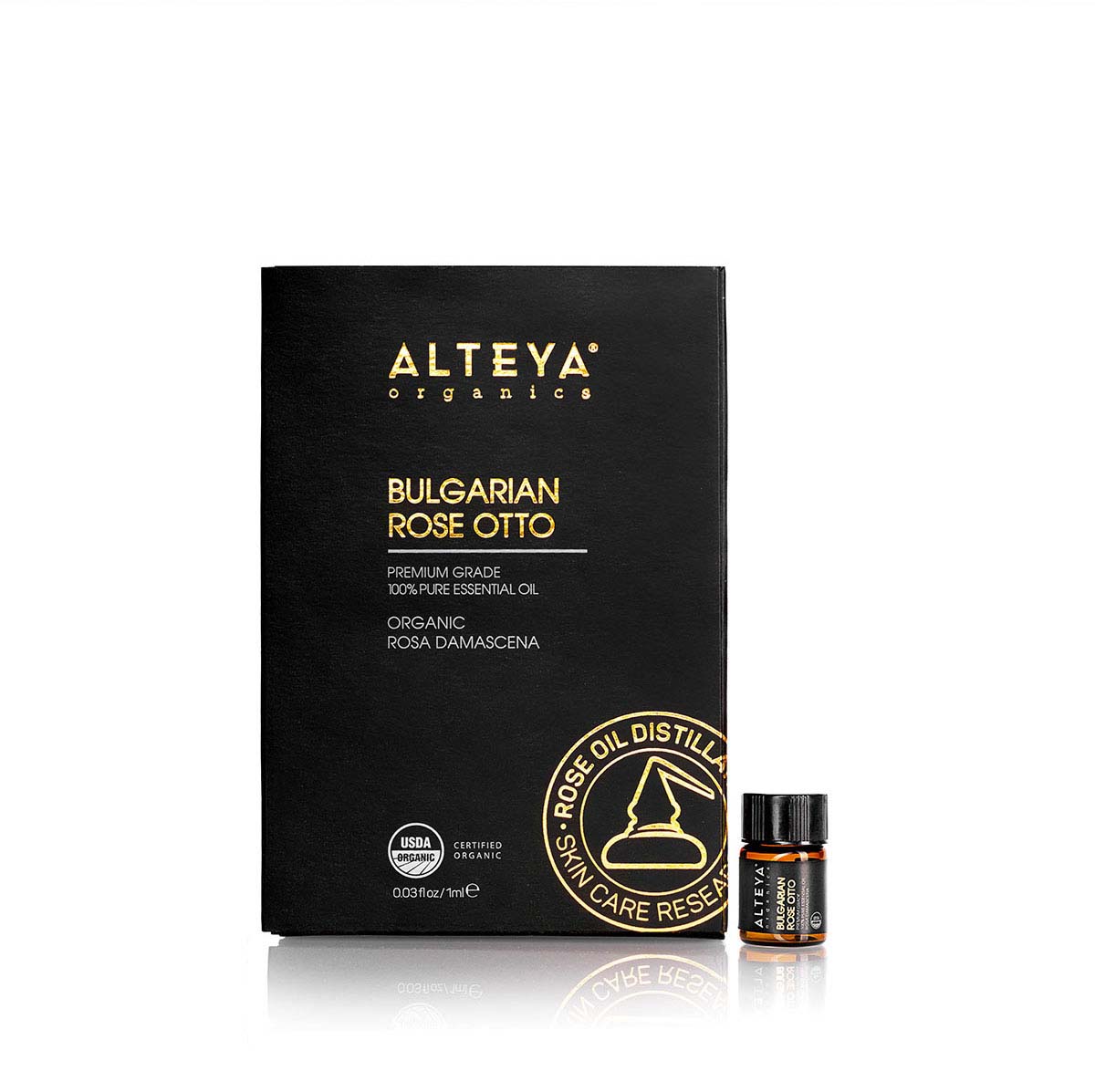
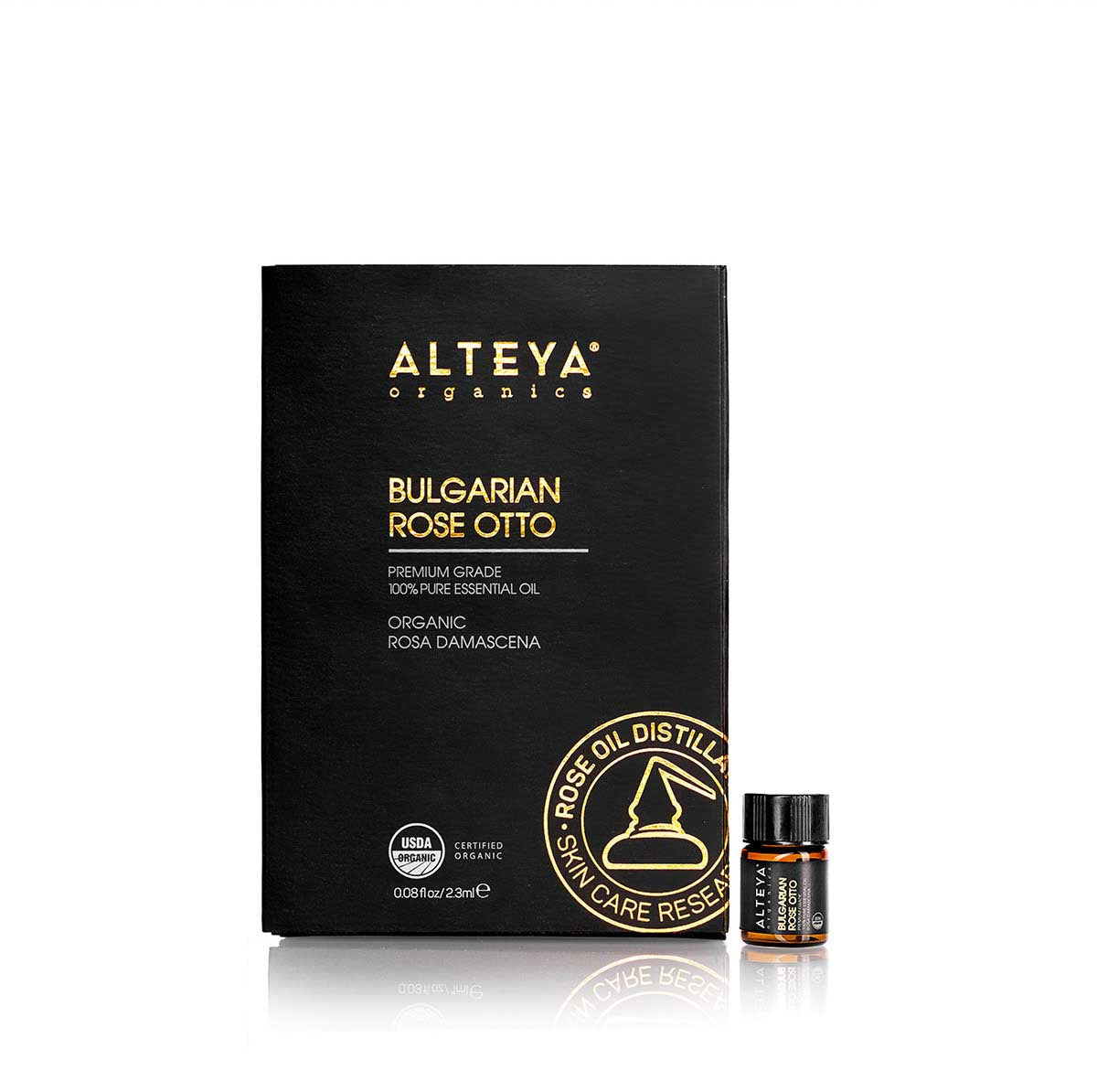
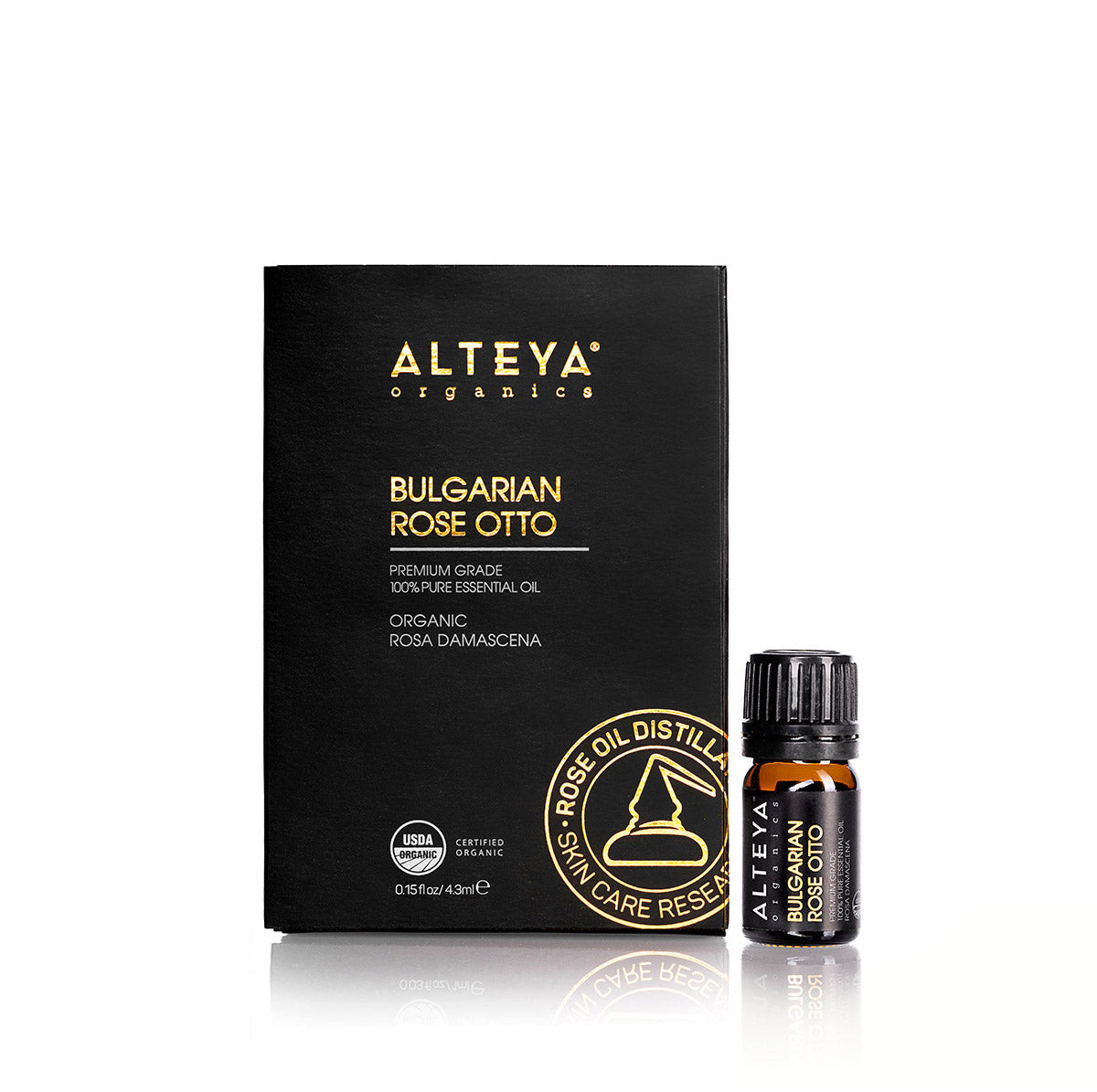
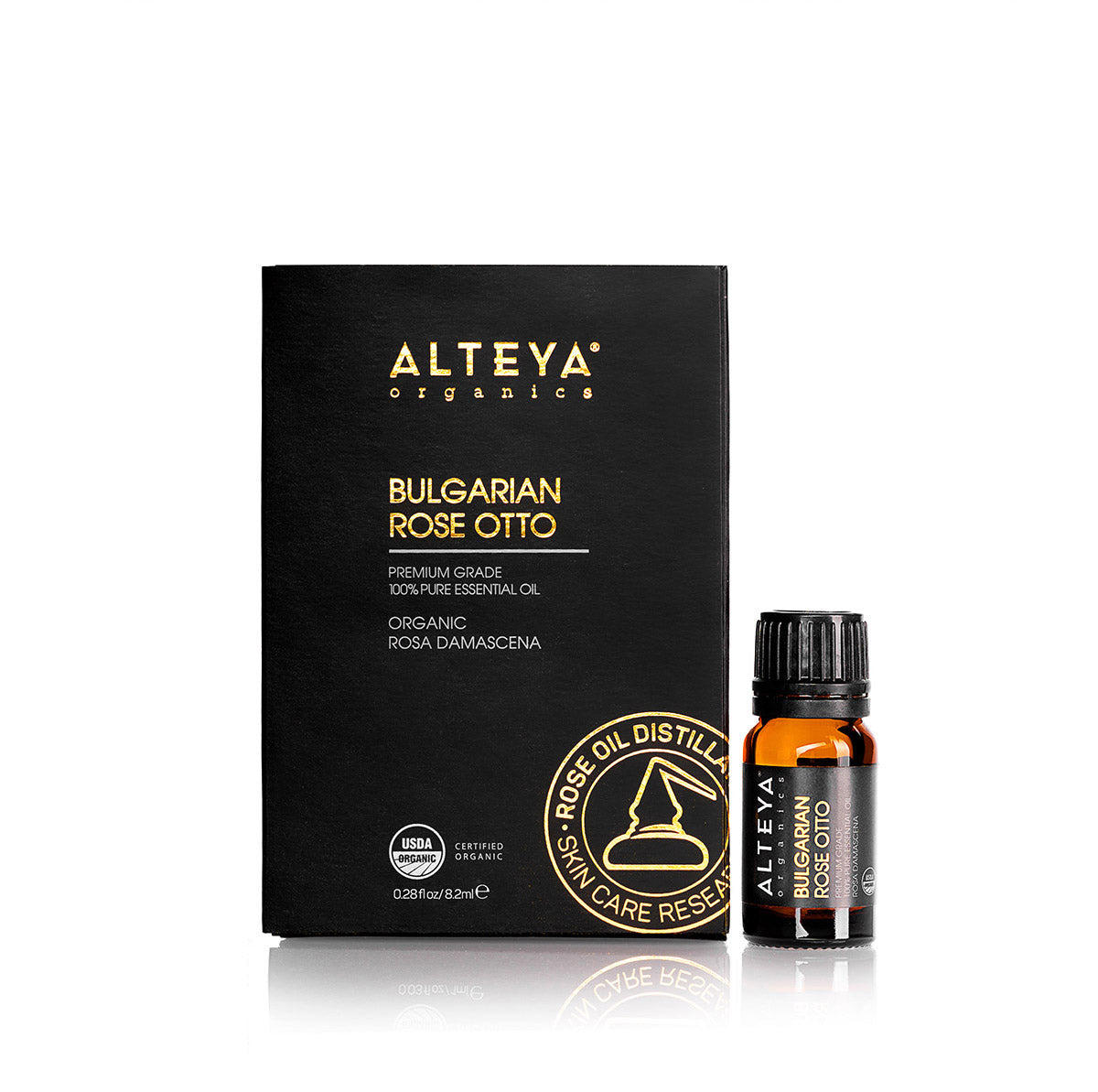
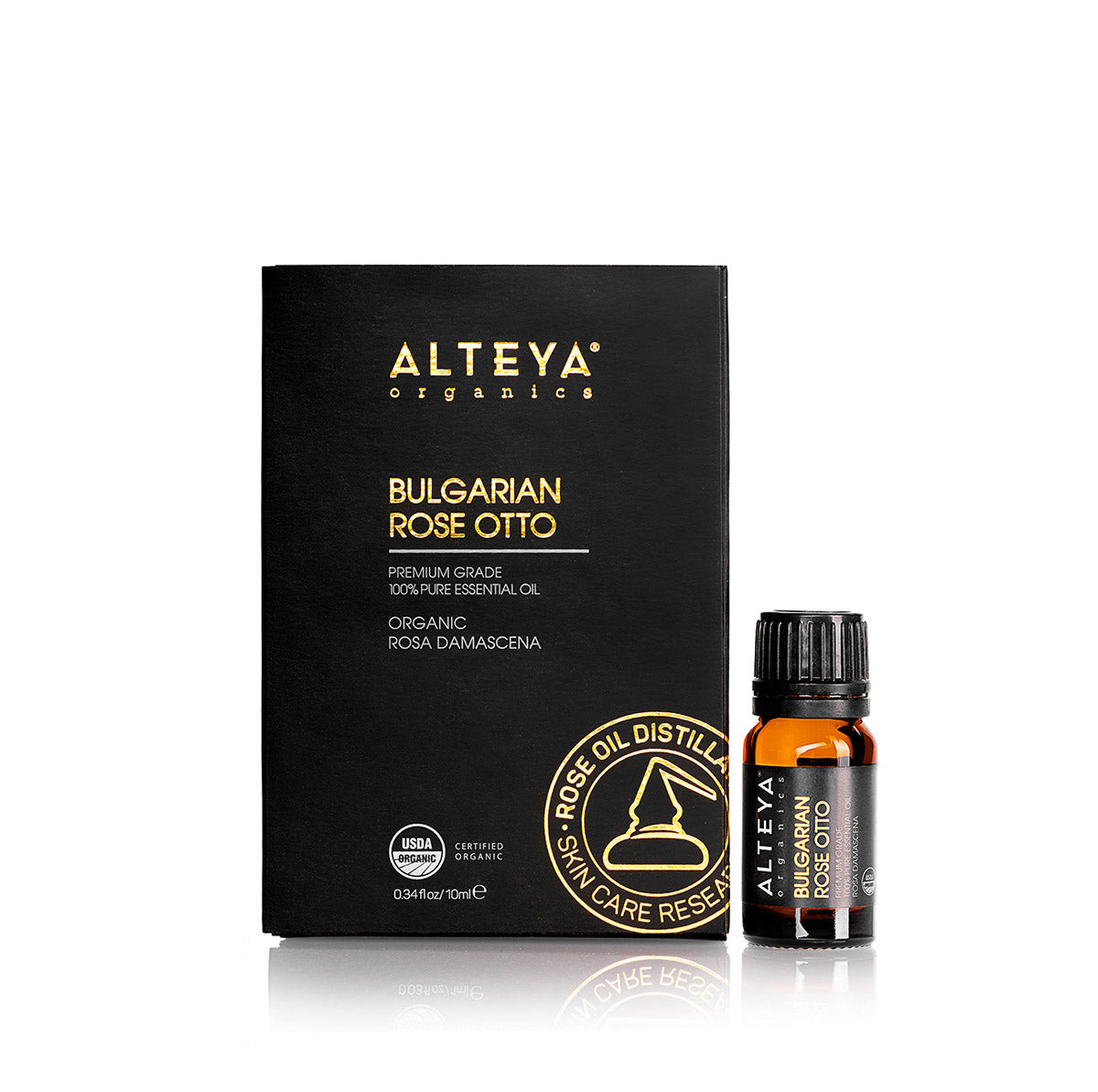
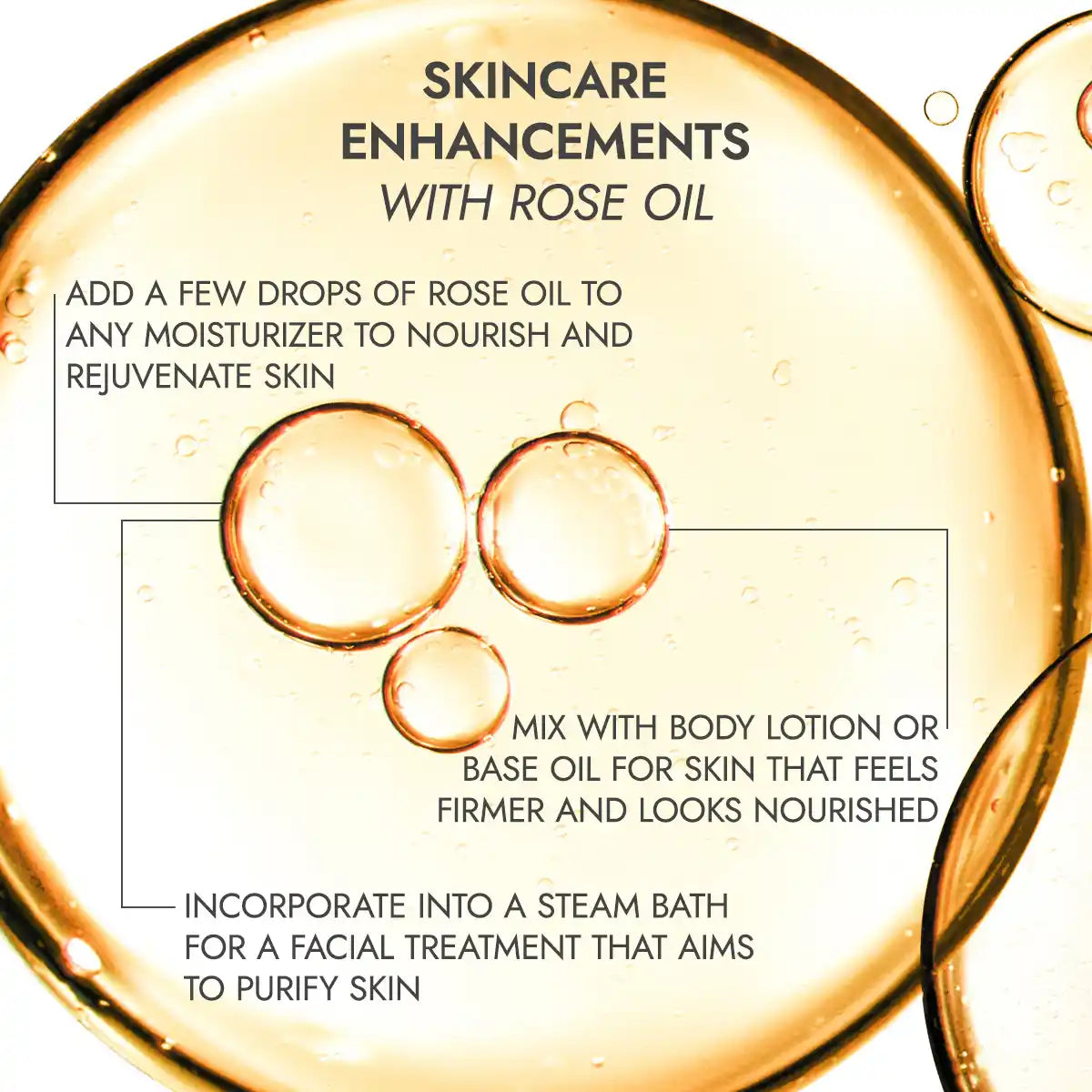
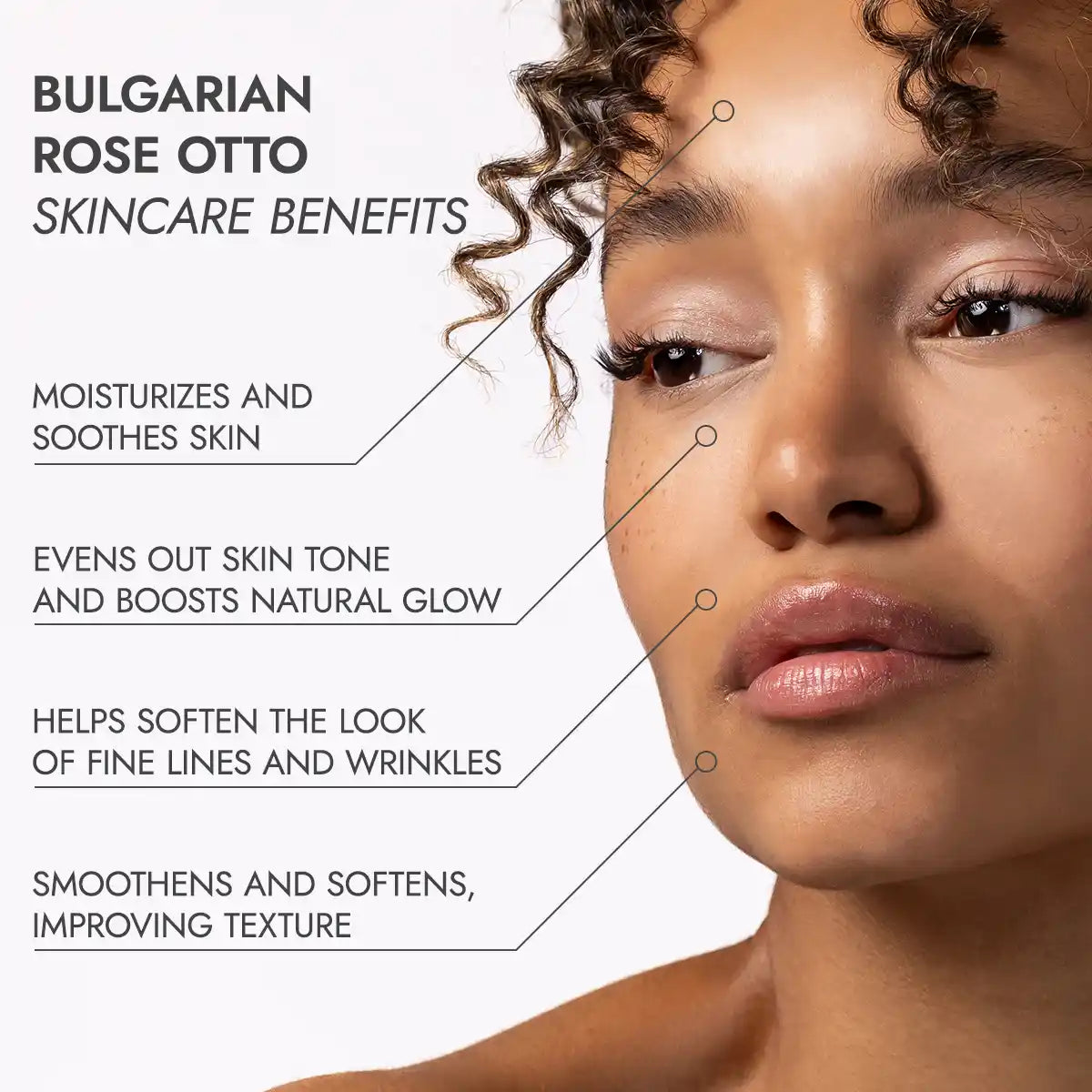
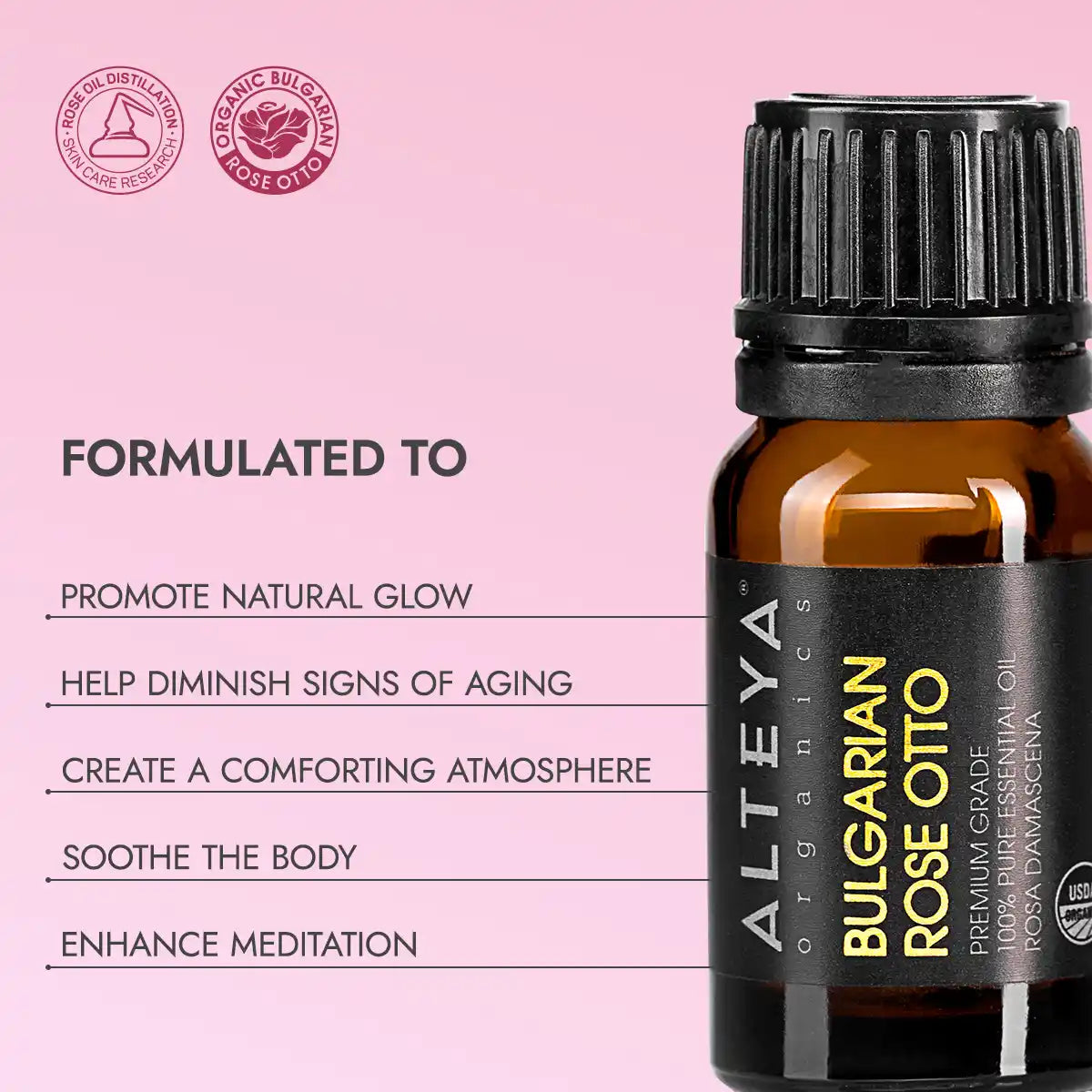
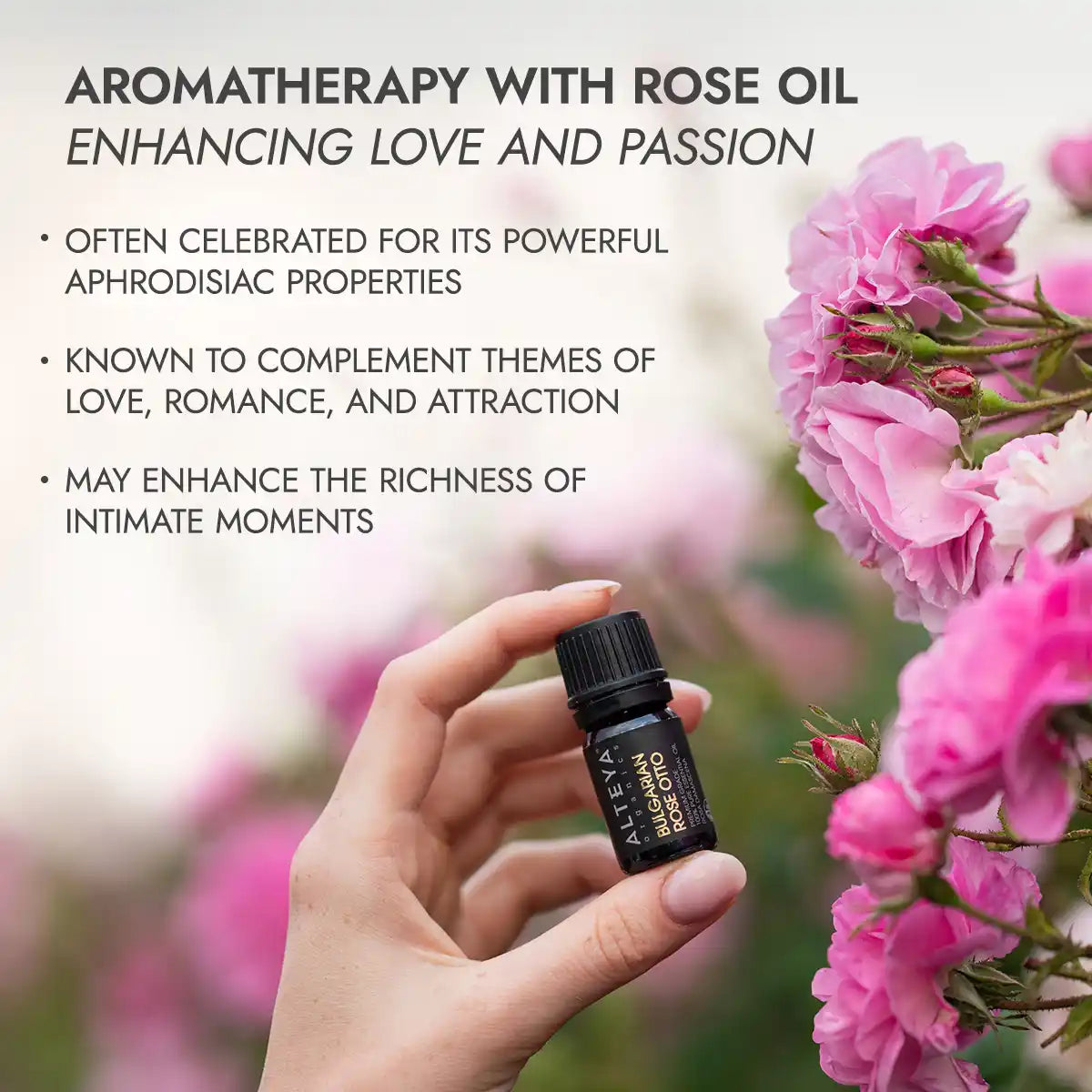
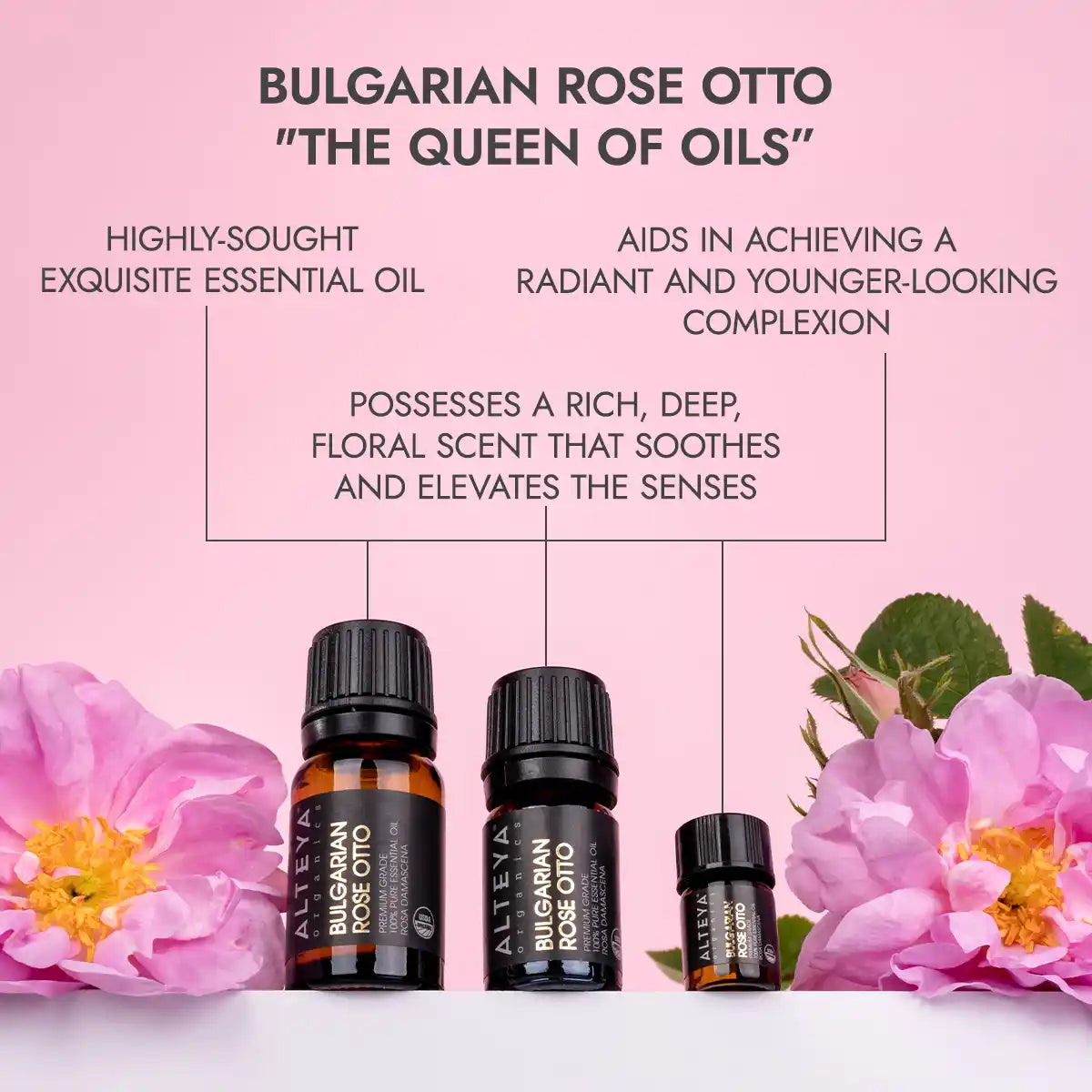
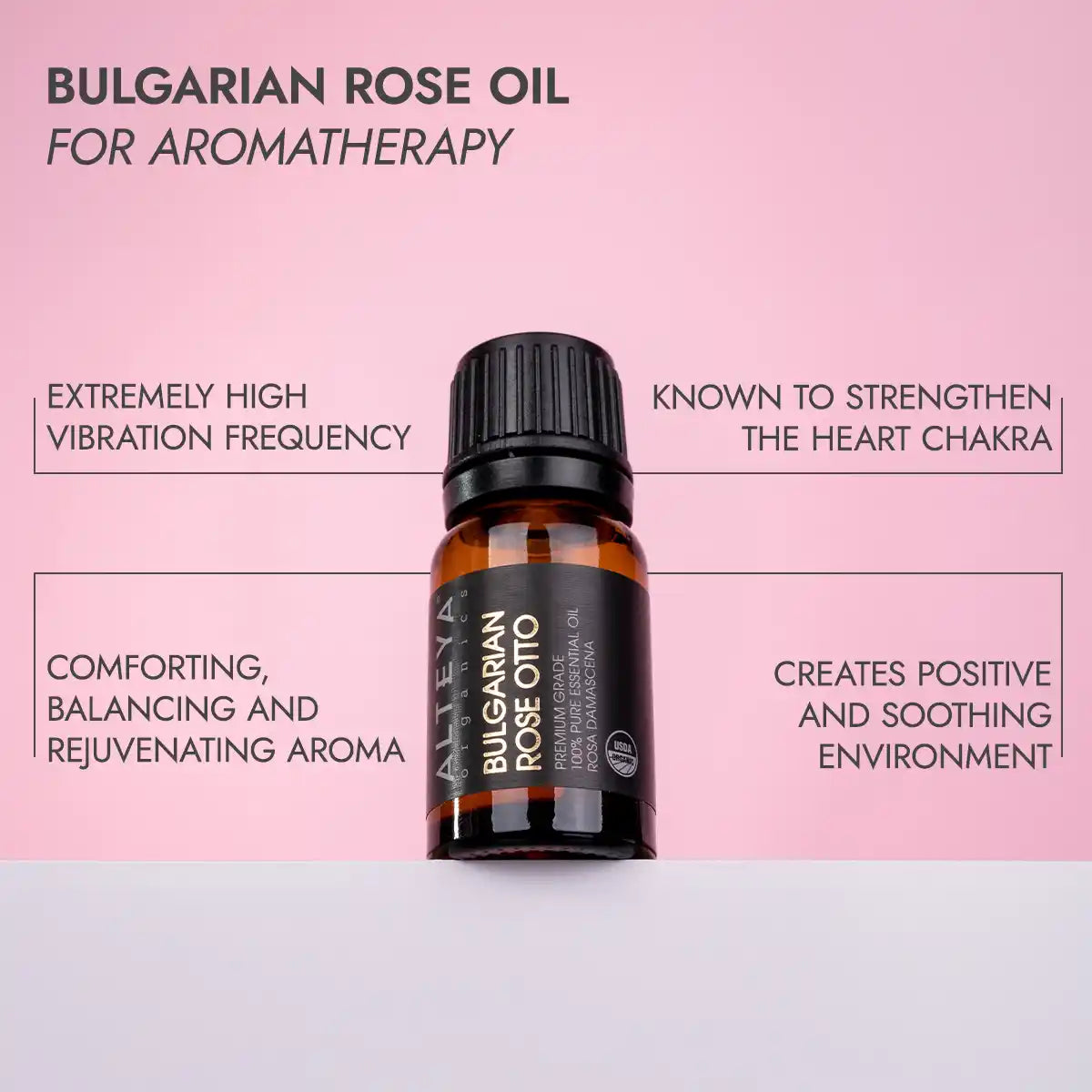
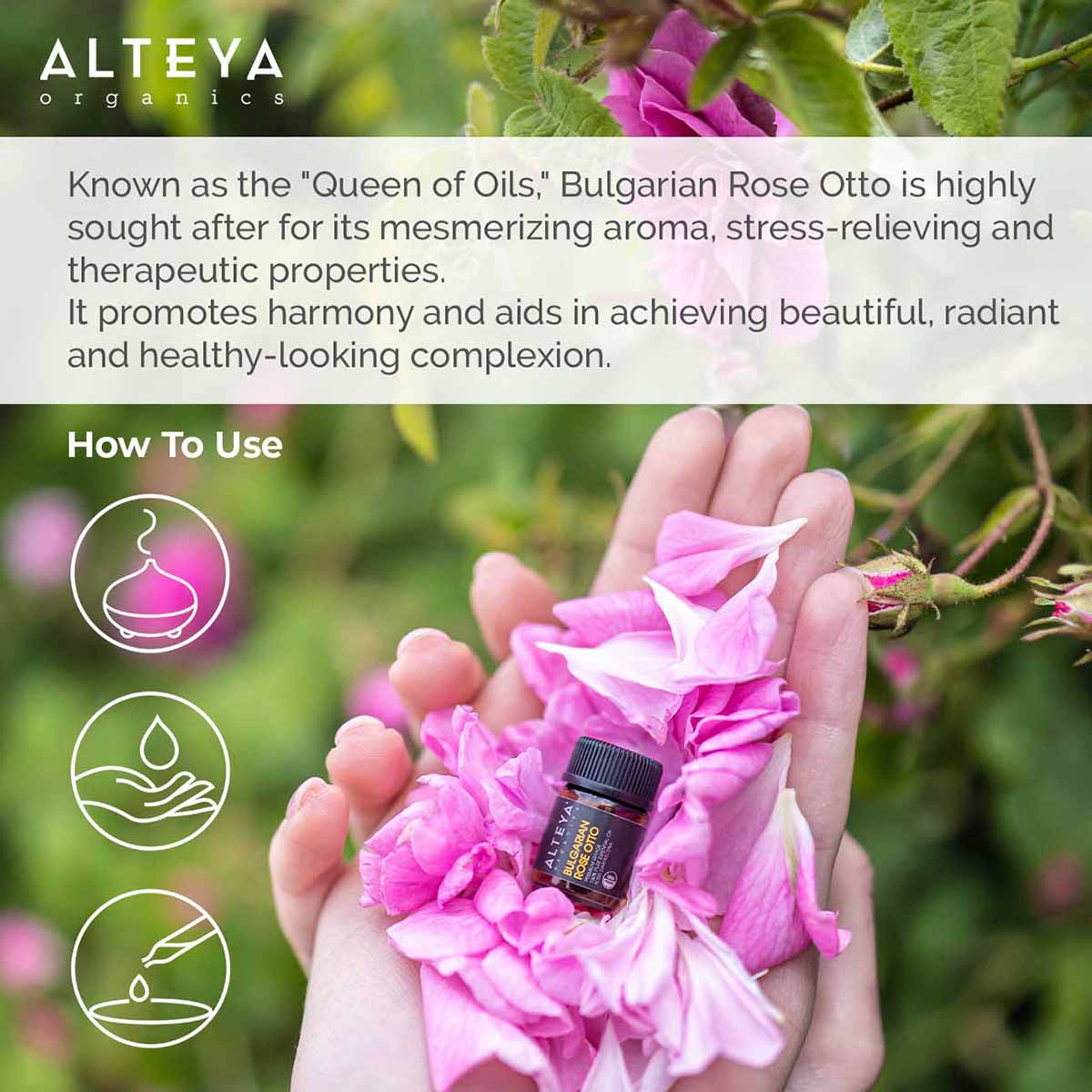
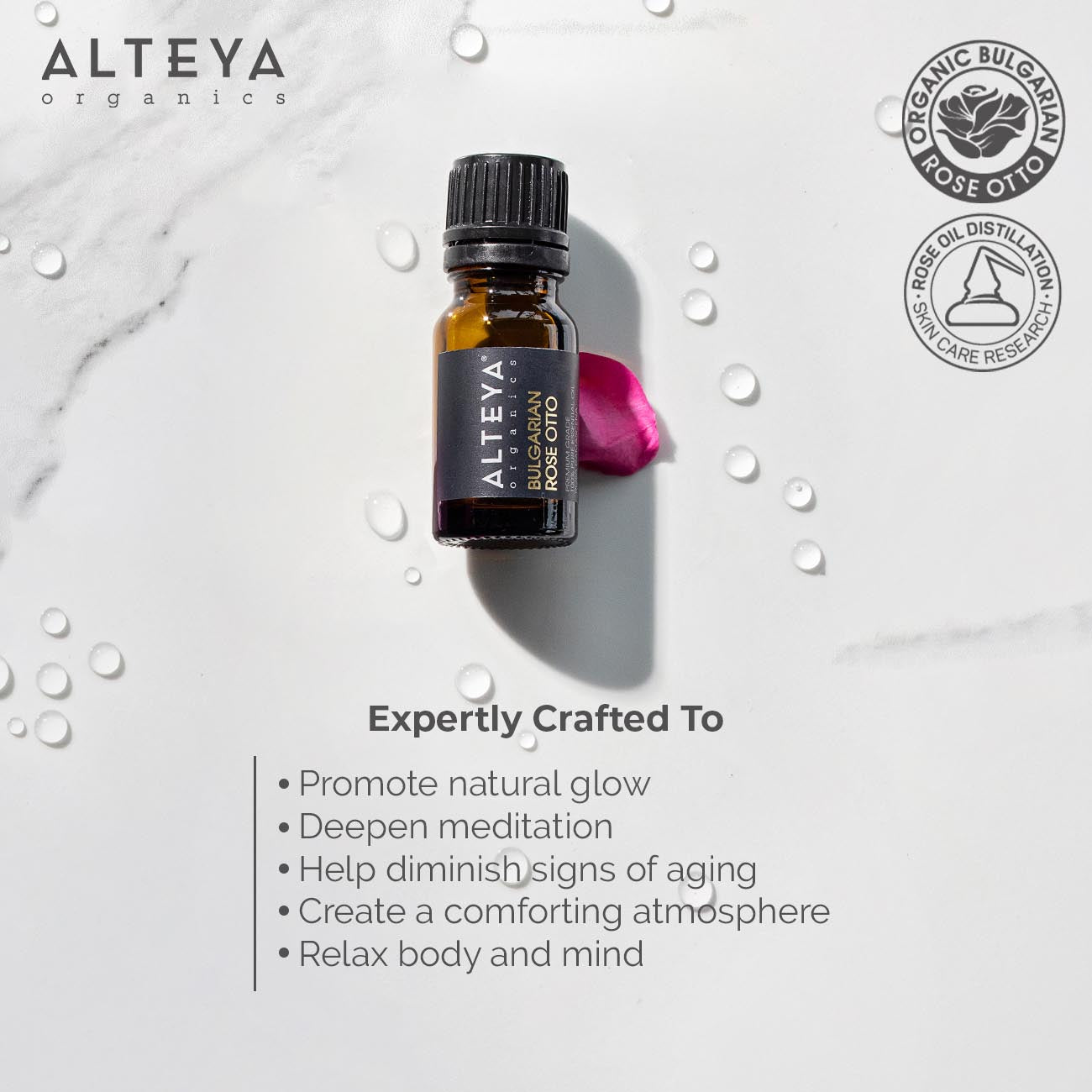
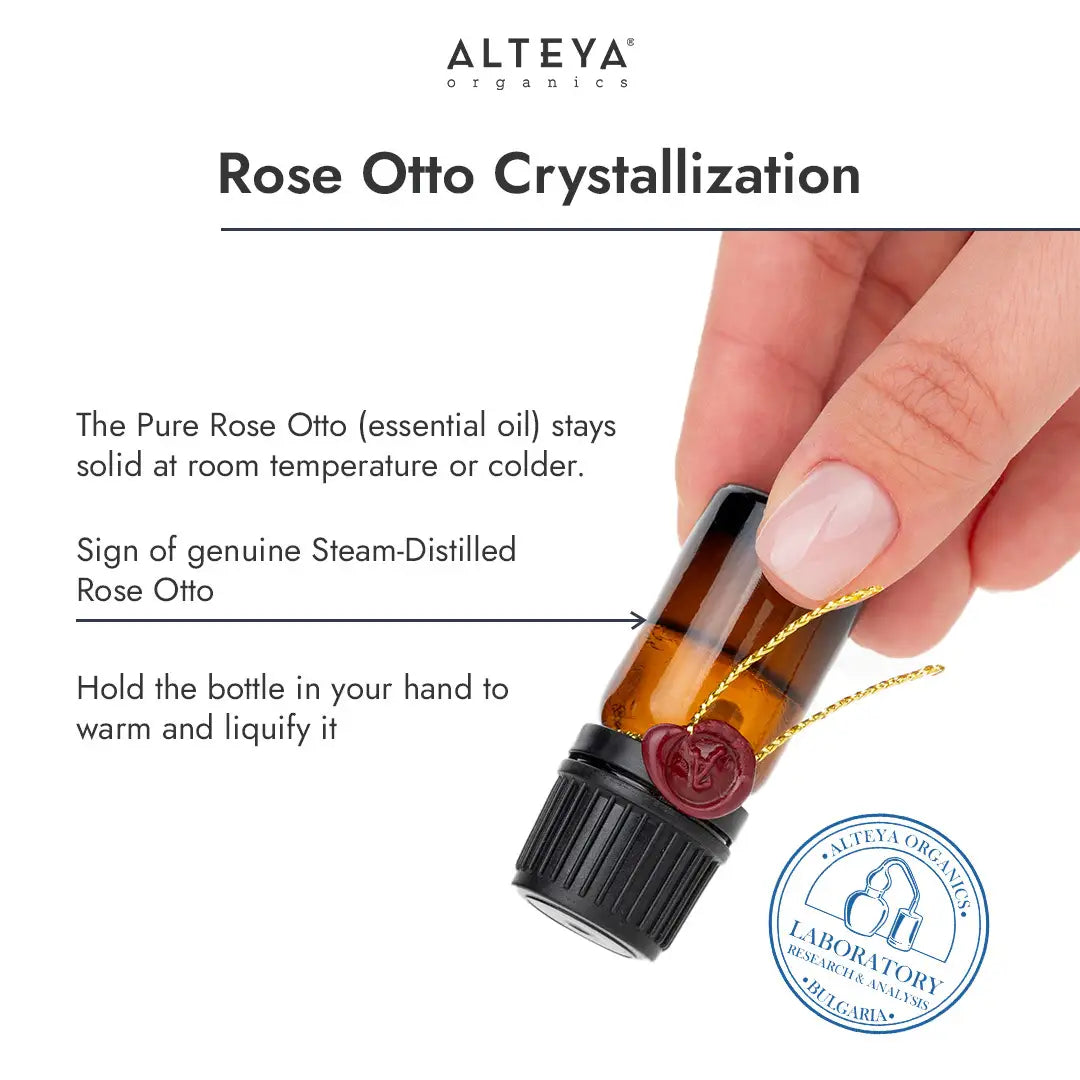
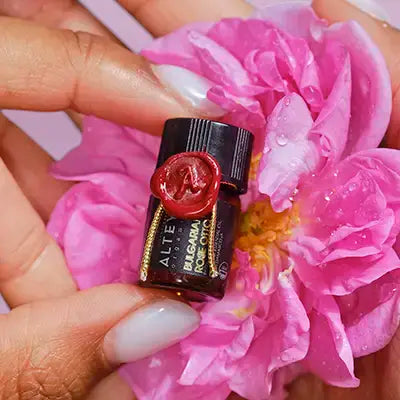
The Organic Bulgarian Rosa Damascena Oil (Rose Otto), obtained by steam distillation has one of the most valuable and distinct fragrances. Rose oil is widely used in the cosmetics and the perfume industry because of its complex molecular composition, healing, beautifying and therapeutic properties as well as its multilayered and deep fragrance.
Alteya’s Rose Essential Oil is certified organic according to the strict USDA, National Organic Program standards. Our organic roses are grown without the use of pesticides, herbicides, or any other harmful additives.
We offer our customers one of world’s most exquisite essential oil, Alteya’s steam-distilled USDA certified organic Bulgarian Rose Oil-Rose Otto, a 100% pure, natural oil that does not contain any pesticide or herbicide residues.
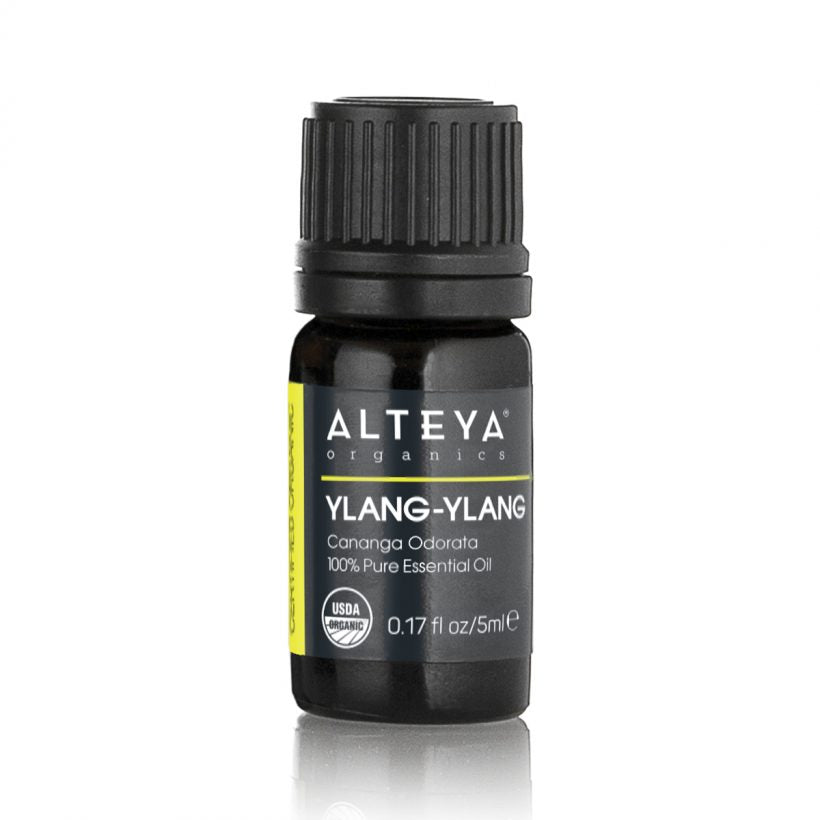
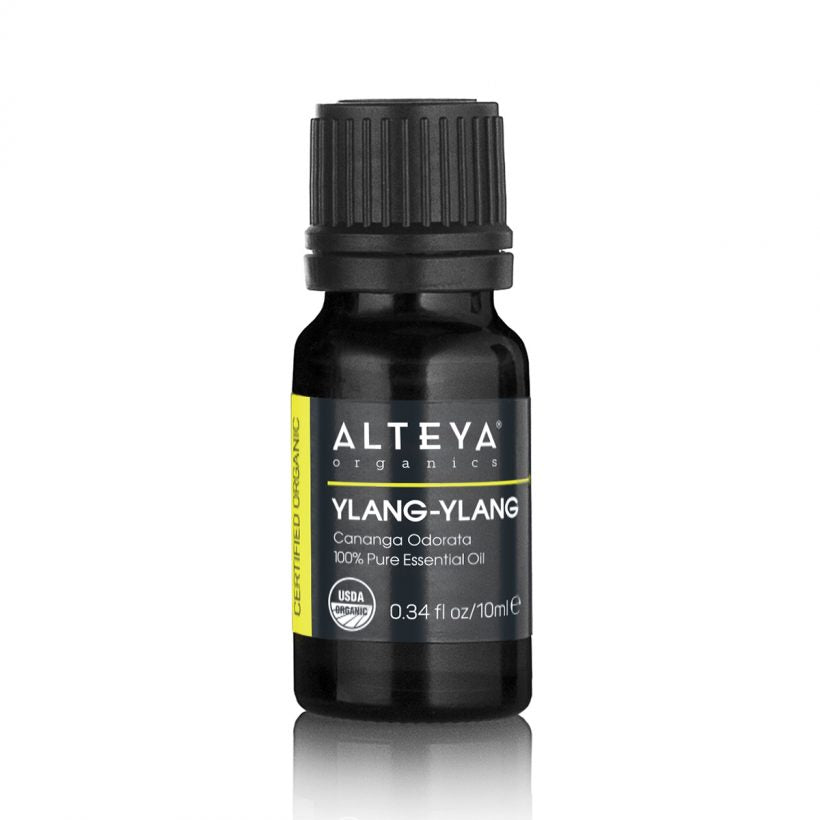
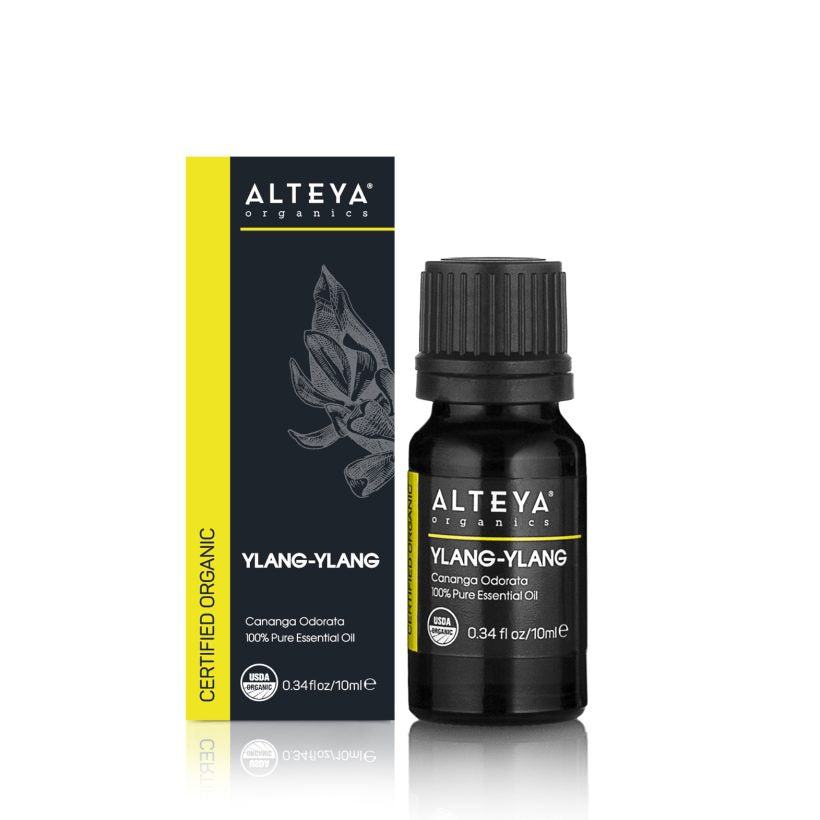
6. Ylang-ylang oil
Ylang-ylang has a sweet, exotic fragrance which promotes relaxation and creates a romantic atmosphere. It is often used to balance emotions and get burdens off the mind.
DESCRIPTION
/CANANGA ODORATA/
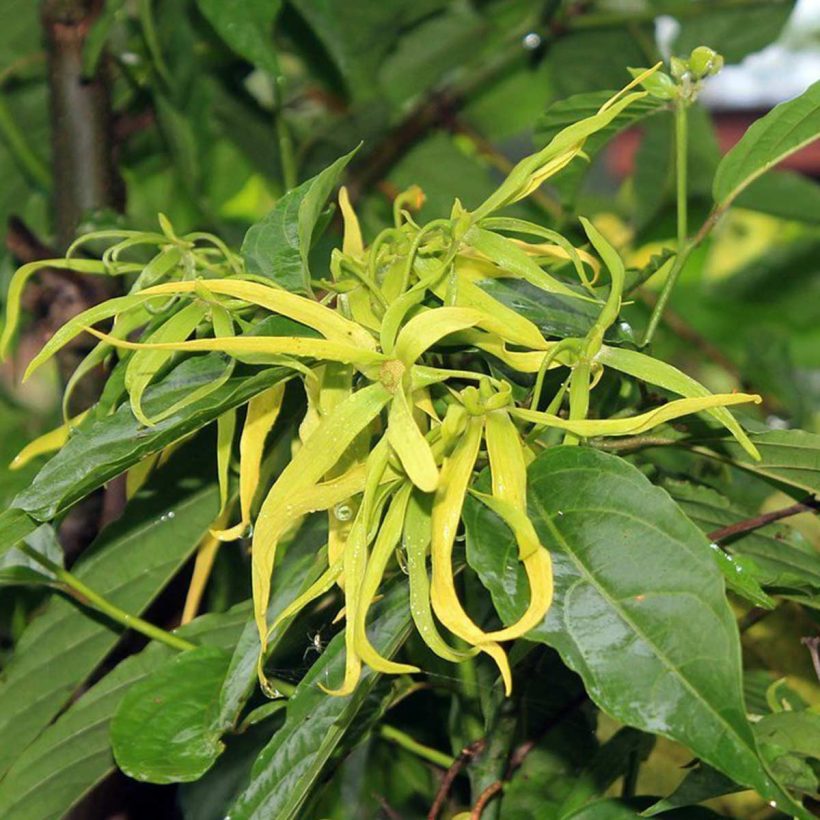
Ylang-Ylang essential oil is extracted from freshly-picked flowers of Canaga Odorata plant by steam distillation.
It is believed that used in aromatherapy, ylang-ylang oil brings a feeling of calmness, and reduces stress and tension. It is also known as a powerful aphrodisiac.
Due to its deep, sweet, and stimulating aroma, it is a commonly used ingredient in perfume compositions or serves as a fragrance in cosmetic formulations.
Used externally on the skin, ylang-ylang oil could help balance and regulate sebum production, thus preventing excessive oiliness or drying of the skin and scalp. It is also considered that it can soothe skin inflammations and irritations.
Added to an aroma bath or massage blend, ylang-ylang essential oil can help relieve physical and mental fatigue.
Ylang-Ylang essential oil blends well with bergamot, frankincense, geranium, grapefruit, sandalwood, and vetiver.
SUGGESTED USE
Diffuse ylang-ylang oil to enjoy its rich, sweet, floral aroma and experience its capability to promote a sense of calmness, positivity, and balance.
Use ylang-ylang in a massage blend to help boost libido and encourage sensuality.
Create a hair mask by mixing coconut oil with ylang-ylang essential oil to stimulate hair growth.
INGREDIENTS
Cananga Odorata (Ylang Ylang) Flower essential oil*
*Certified Organic Ingredient
SAFETY
For external use only. Always dilute. Possible skin sensitivity. Keep out of reach of children. If you are pregnant, nursing, or under a doctor’s care, consult your physician. Avoid contact with eyes, inner ears, mucous membranes and sensitive areas.
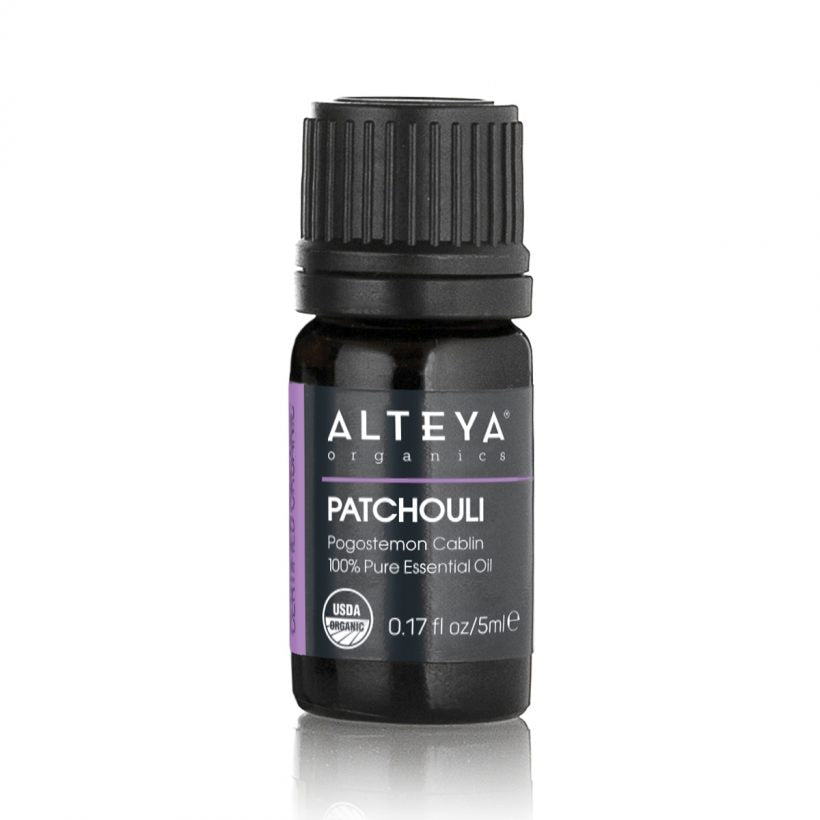
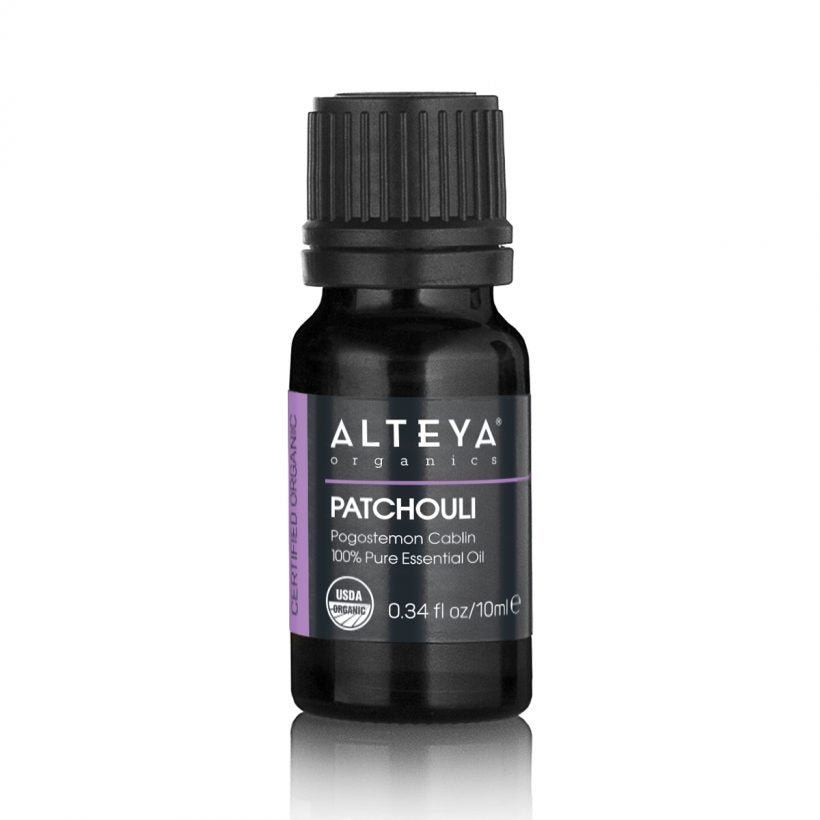
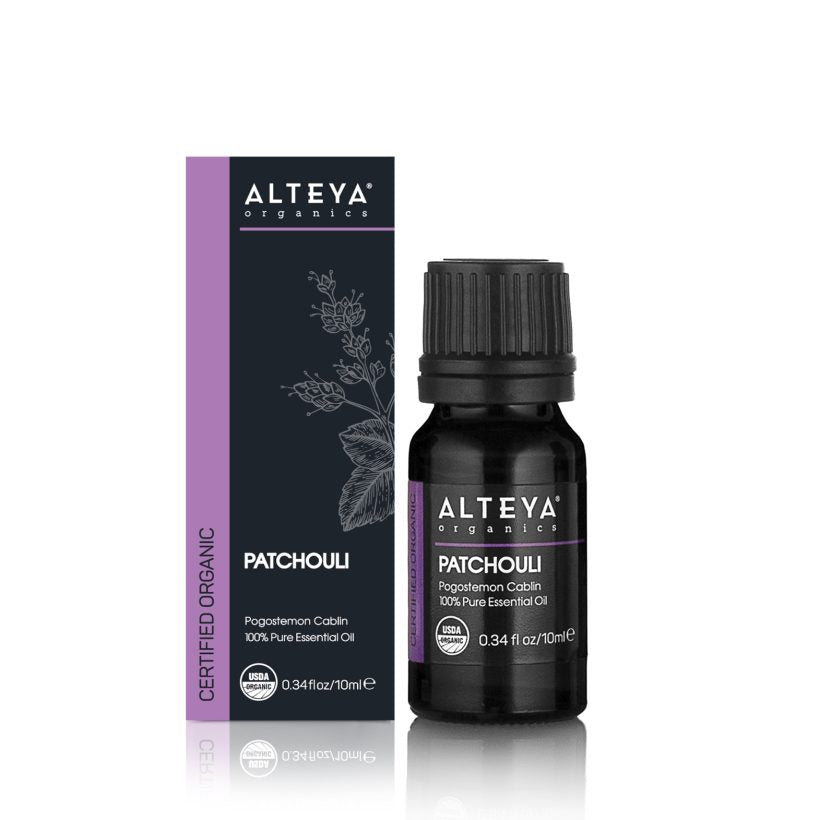
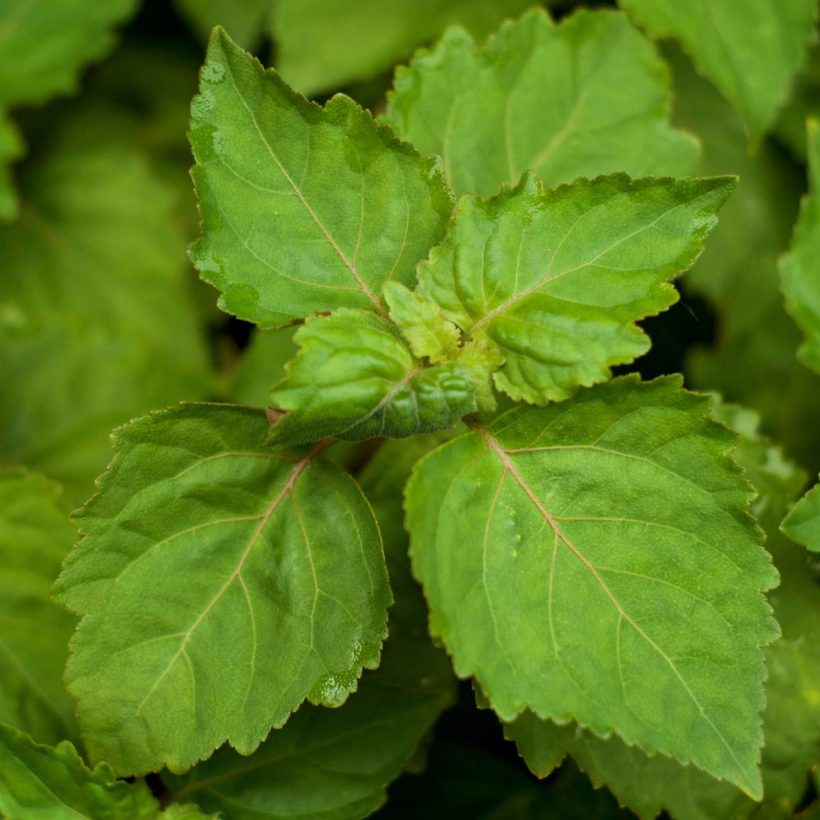
7. Patchouli oil
Patchouli oil is characterized by its deep earthy aroma, which is ideal for alleviating physical and mental pressure. It is also valuable for its antibacterial properties and thus, a popular choice for air purification and conditioning.
DESCRIPTION
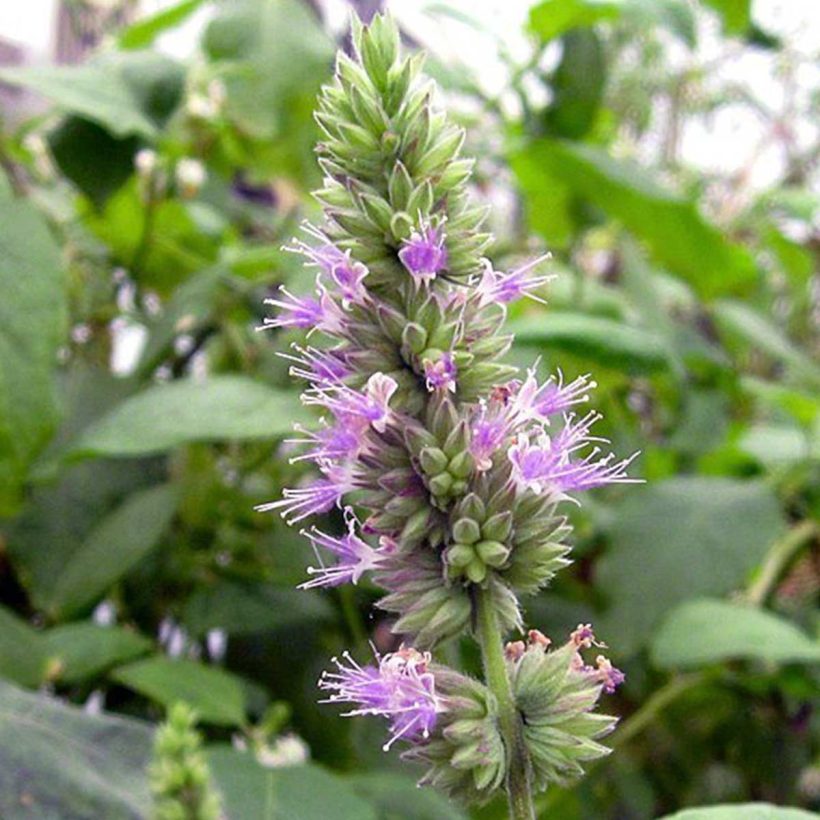
/POGOSTEMON CABLIN/
Patchouli essential oil is extracted by steam distillation from Pogostemon cablin plant which is from the Labiatae family.
Patchouli essential oil is highly valued in the perfume industry. It is believed that over time it even improves its properties, as long as it is obtained from quality raw materials and stored properly.
Used in aromatherapy, patchouli oil is believed to remove odors from the premises and balance emotions. The soothing aroma stimulates the release of hormones of pleasure, namely serotonin and dopamine, thus improving negative moods and enhances the feeling of relaxation. It is believed to act as an aphrodisiac, stimulating sensory energy and increasing libido.
The astringent properties of patchouli oil help prevent the early appearance of sagging skin and hair loss. Its ability to stimulate the growth of new skin makes it suitable for use on cuts, scars, stretch marks and more.
SUGGESTED USE
Diffuse patchouli oil when you need to ground, to balance emotions and relax.
To tighten and tone your skin, add a few drops of Patchouli essential oil to your comsetic products. It will also aid in reducing the appearance of blemishes.
To strentgthen your hair apply patchouli oil to your scalp by mixing it with your hair conditioner.
INGREDIENTS
Pogostemon Cablin (Patchouli) essential oil*
*Certified Organic Ingredient
SAFETY
For external use only. Always dilute. Possible skin sensitivity. Keep out of reach of children. If you are pregnant, nursing, or under a doctor’s care, consult your physician. Avoid contact with eyes, inner ears, mucous membranes and sensitive areas.
8. Tea tree oil
Tea tree oil also has the reputation of an excellent air purification agent due to its strong antimicrobial properties. Its intense aroma and powerful properties make it necessary for tea tree oil to be carefully diluted not only when used for local application but when used in a diffuser as well. It can be used as part of an essential oil blend in a 1:30 proportion of tea tree oil to other essential oils.
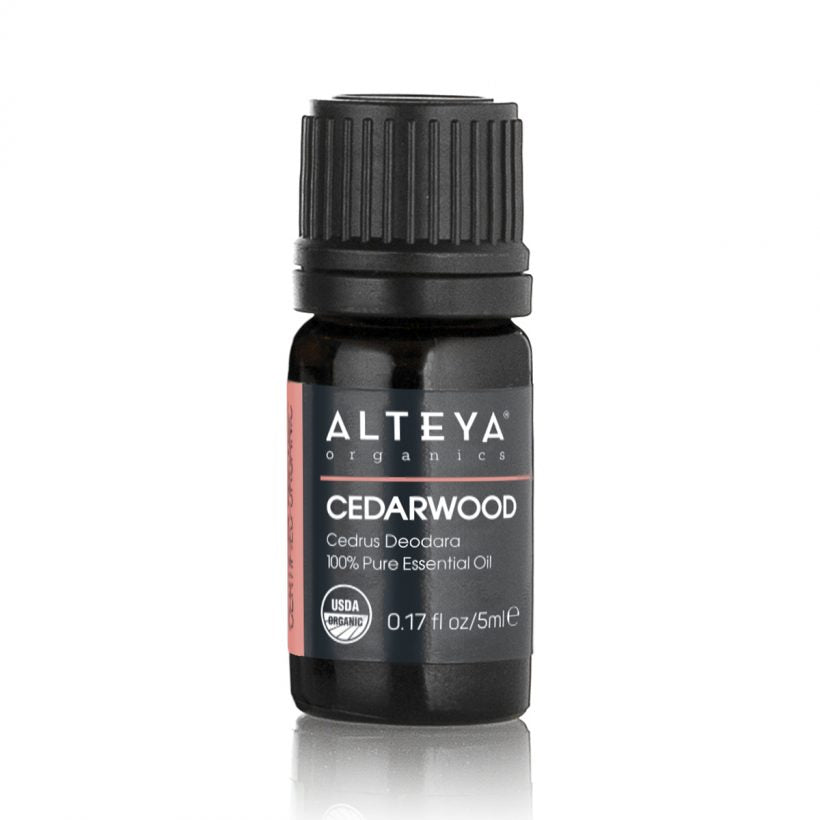
9. Cedarwood oil
Cedarwood oil is recognized for its rich, woody scent, which brings about a feeling of warmth and comfort. The valuable ingredients contained in cedar wood are extracted through the process of steam distillation.
Due to its soothing properties, cedarwood oil is often used to lower blood pressure and alleviate palpitation. It is also popular for improving sleep and creating a balanced atmosphere at home. Cedarwood oil is an excellent choice for anyone wishing to infuse their daily life with some natural serenity.
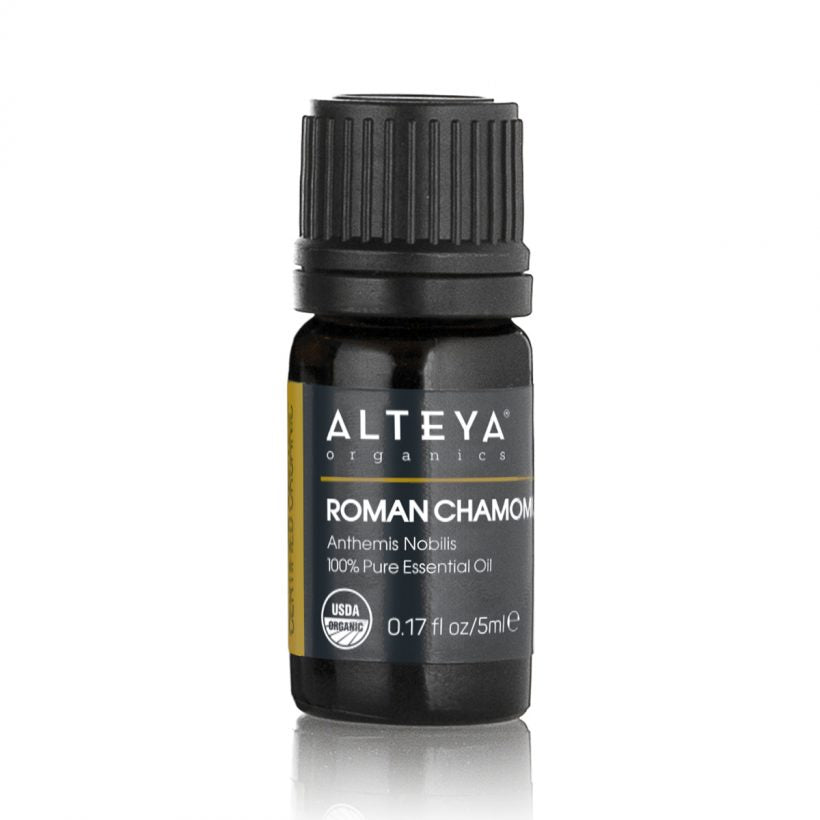
10. Roman chamomile oil
Renowned for its soothing and balancing properties, Roman chamomile oil is an excellent choice for creating a relaxing, cozy atmosphere. It is especially useful at the end of a long stressful day at work as it relieves tension and facilitates falling asleep faster. Its gentle, mildly sweet aroma makes it a wonderful addition to any essential oil blend.
How often can you practice aromatherapy?
The frequency of use would depend on your individual needs and the way your body reacts to the effects of essential oils. Despite the fact that this therapeutic practice can create a relaxing, cozy atmosphere, overuse may lead to irritation and sensory fatigue.
The following are some common guidelines:
• Daily use: You can diffuse your favourite essential oil blends once or twice a day for a period of 20-30 minutes. This is just enough to make good use of the therapeutic benefits of essential oils without overdoing it.
• Targeted use: In case you want to use essential oils for stress relieve, better sleep or alleviation of different symptoms, use a diffuser according to need but no more than 3-4 times a day.
• Rotate aromas: It is recommended to use different oils alternatively to prevent desensitization or irritation of overuse of the same aroma.
It is very important to carefully observe how your body reacts to different scents. In case you start to experience headaches, dizziness or any other discomfort, decrease the time of exposure to the effects of the essential oil or the quantity of the oil used in the diffuser. When unsure what essential oils and what quantities are best for you – do not hesitate to consult an experienced aromatherapist.
Is aromatherapy suitable for children and pregnant women?
Aromatherapy can be equally beneficial for children and pregnant women but its application requires special care and caution. Children’s and pregnant women’s bodies are more sensitive, so choosing appropriate oils and methods of application is essential.
For children
• Safe oils: Lavender, chamomile and mandarin oils are some of the best options for children. They have soothing properties; aid sleep and ease anxiety.
• Methods of use: The most widely recommended method for children is the use of a diffuser since it gently disperses aroma in the air.
• Age considerations: Do not use essential oils for babies under 3 months old, while for children under two years of age – consult a pediatrician.
For pregnant women
• Safe oils: Lavender, chamomile, mandarin and neroli oils are generally considered to be safe options during pregnancy. They help relieve tension, soothe muscle pain and improve sleep.
• Avoid certain oils: Some essential oils like rosemary, sage, basil and cinnamon oils can stimulate uterine contractions, so they should be avoided during pregnancy.
• Methods of use: Diffusing essential oils in the air is a safe method of use but the quantity should be limited to 2-3 drops of oil per 100 ml of water.
Always consult a doctor or an expert before using essential oils during pregnancy or for children.
Which essential oils should be given careful consideration when used for aromatherapy?
Even though essential oils are natural products, not all of them are suitable for inhaling. Some are too intense, others can cause irritation to mucous membranes, yet others simply do not have a pleasant aroma. The following are some oils you will need to consider with care:
Essential oils that can irritate mucous membranes or cause allergies:
• Cinamon oil – strong, spicy aroma, containing ingredients whigh may cause irritation.
• Clove oil – rich in eugenol, which makes it likely to cause allergic reactions if used in high concentrations.
• Thyme oil – contains thymol as its main ingredient, which some people are sensitive to. In case you are prone to such reactions – make sure you only use it in a diffuser for short periods.
Essential oils which are safe only in minimal quantities:
Certain essential oils should be diffused only in small quantities, as part of oil blends:
• Ginger oil – powerful energy stimulator and aphrodisiac with warm and spicy aroma, but should be sparingly used with caution.
• Tea tree oil – an excellent air purifier but its aroma gets too intense when used in high concentration.
• Rosemary oil – aids focus but it also contains substances which can irritate the respiratory system in sensitive individuals.
Essential oils which are not recommended to be used in a diffuser:
• Yarrow oil
• Chinese star anise oil
• Mountain savory oil
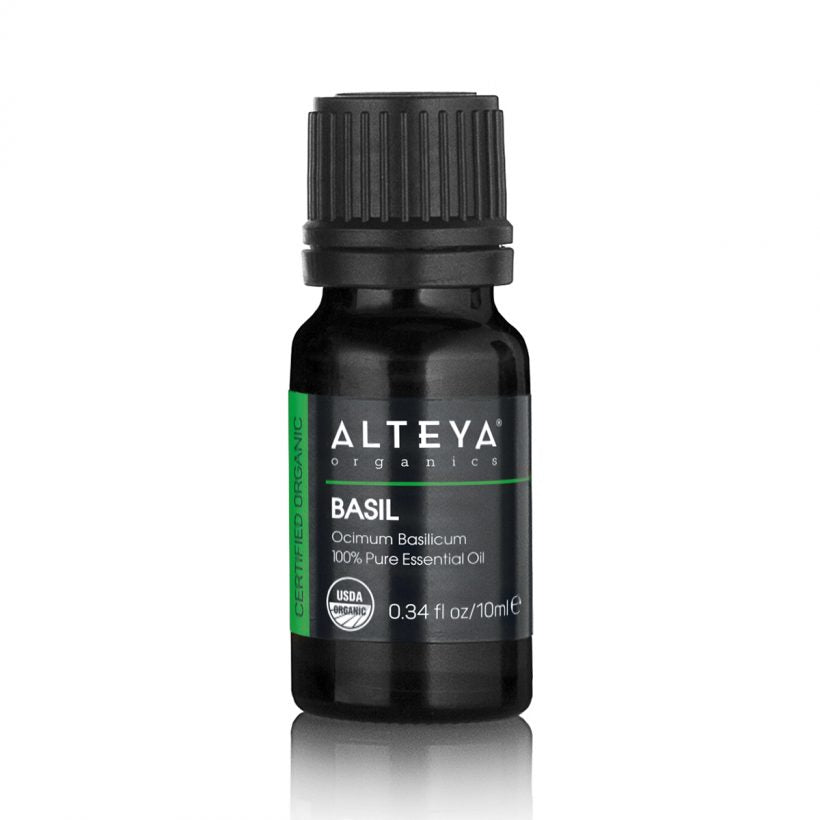
• Basil oil
• Nutmeg oil
Useful advice: Always use a diffuser in a well-ventilated room and start with minimal quantities when experimenting with a new type of oil. This will help prevent adverse reactions.
The most important thing to remember is that the safety of a particular oil for ingestion or skin application is not a guarantee that it is also safe for diffusing (inhaling).
Why choose Alteya Organics essential oils for your aromatherapy rituals?
Alteya Organics is a leader in the production and distribution of high-quality essential oils, combining traditional distillation methods with most moder, advanced extraction technology. Here is why our products are an excellent choice for your aromatherapy rituals:
• 100% certified organic oils All Alteya Organics’ essential oils are USDA Organic certified, which guarantees that they are ultimately pure essential oils – free from chemical fertilizers and pesticides.
• Rigorous standards of quality Our oils are extracted from plants grow in ecologically clan regions, including company-owned rose and lavender fields in the Bulgarian Rose Valley. Each essential oil is traceable to its source, which caters for utmost responsibility and supreme quality.
• Tradition and innovation With over 20 years of experience, we combine centuries-old Bulgarian distillation traditions with cutting-edge modern scientific to offer products which are both authentic and modern.
By choosing Alteya Organics, you will not only get essential oils of premium quality but also the confidence that you are caring about yourself and the planet in the best possible way.
Diffuser-assisted aromatherapy offers a unique way to combine the pleasure of exposure to delightful aromas with the health and emotional benefits essential oils bring. Choosing the most appropriate essential oils for a particular purpose and using them with care and awareness are of key importance to safe and effective application of this method. Regardless of whether you goal is relaxation, harmony, boosting your energy or just fresh feeling at home, Alteya Organics’ supreme quality oils can be a reliable partner in achieving it.
Essential Oils
Resources:
Yetman, D. (2020) Are candles bad for you? Myths and potential side effects, Healthline. Available at:https://www.healthline.com/health/are-candles-bad-for-you(Accessed: January 20, 2025).


Autor: Alteya Organics
At Altеya Organics, we combine the art of organic rose cultivation and distillation with skincare innovations. Thanks to our research and development team, we are proud to offer professional, nature-inspired skincare.
Read more

How can essential oils help problem skin?
Problem skin often requires a comprehensive approach that combines effectiveness with gentle care. Recently, more and more people have started trusting holistic treatment methods that not only soot...
Read more
What is the best collagen for your skin?
Collagen is one of the most important proteins in the human body - it makes up about 30% of the body's total protein content and is a key component of our connective tissue. It is responsible for t...
Read more
Leave a comment
This site is protected by hCaptcha and the hCaptcha Privacy Policy and Terms of Service apply.