




How can essential oils help problem skin?
Problem skin often requires a comprehensive approach that combines effectiveness with gentle care. Recently, more and more people have started trusting holistic treatment methods that not only soothe symptoms for a short time but also aim to achieve long-term results. This is where the power of essential oils comes into play. Modern studies suggest that they can be successfully used to treat skin problems and support conventional treatment of various conditions.
The unique properties of essential oils are due to the variety of bioactive molecules they contain. Different types of essential oils have antifungal, antibacterial, astringent or antioxidant effects. Because of this, they can be used to treat a wide range of skin conditions - from acne and skin irritation to seborrheic dermatitis and even ulcers. In this article, we are going to look at how essential oils can become an important part of promlem skin care and also provide some guidance on how to find the most suitable essential oils for your specific needs.
Ways of using essential oils for treating medical skin conditions
Essential oils offer a variety of applications that can be adapted to the specific needs of problem skin. Essential oils are concentrated aromatic extracts, so their users need to be well-informed and careful. The following are the main ways you can benefit from their properties:
Local application
Local application is one of the most effective ways to treat skin problems such as acne, psoriasis, redness, etc. It is important to note that essential oils should not be applied directly on the skin, as this may cause irritation and allergic reactions. Instead, they should be diluted with a carrier oil - for example almond, coconut, or jojoba oils.
The dilution ratio can vary depending on the condition being treated. Most commonly, a 2% solution is used for adults, 1% for people with sensitive skin, and 0.5% for children under 6 years old. This corresponds approximately to 12. 6, or 3 drops of essential oil per 30 ml of carrier oil (2 tbsp)

Aromatherapy
Aromatherapy is another popular method of essential oils treatment, which mainly affects the sense of smell and, through the limbic system, transfers its effects on our emotional state. This method involves inhaling aroma substances disperced by diffusers, aroma lamps, or directly from a bottle. Essential oils like lavender and rosemary are known to reduce stress, which often has a negative effect on the skin.
If you wantTo use an aroma diffuser, add a few drops of essential oil to the water and let the device disperse the aroma in the room. This creates a relaxing atmosphere and reduces the effects of stress, thereby supporting overall skin health.
If properly used, essential oils can become an important part of a holistic approach to treating various skin conditions and keeping you skin healthy.
Internal use
Some essential oils are used as active ingredients in medicinal products. This method of treatment is not often used for skin conditions but more commonly for colds, coughs, sinus inflammation or similar issues.
However, internal consumption of pure essential oils requires extreme caution and obligatory supervision by a specialist. Never ingest pure essential oils without medical supervision! If you are considering this approach, always consult your personal general practitioner or another certified therapist to ensure your safety.
A more convenient and safer way to use essential and plant oils to maintain healthy skin, hair, and nails is by taking certified dietary supplements. Such products are formulated by specialists so you can benefit from their properties while minimizing the risk of undesired side effects.
Mouth ulcer treatment with essential oils
One of the well-studied conditions that can be treated with essential oils is mouth ulcers. There are two approaches that clearly stand out.
Lavender oil
A controlled medical study from 2012 indicates that lavender oil is an excellent choice for treating mouth ulcers. It has soothing and anti-inflammatory effects that help reduce pain and accelerate the healing process.(2)
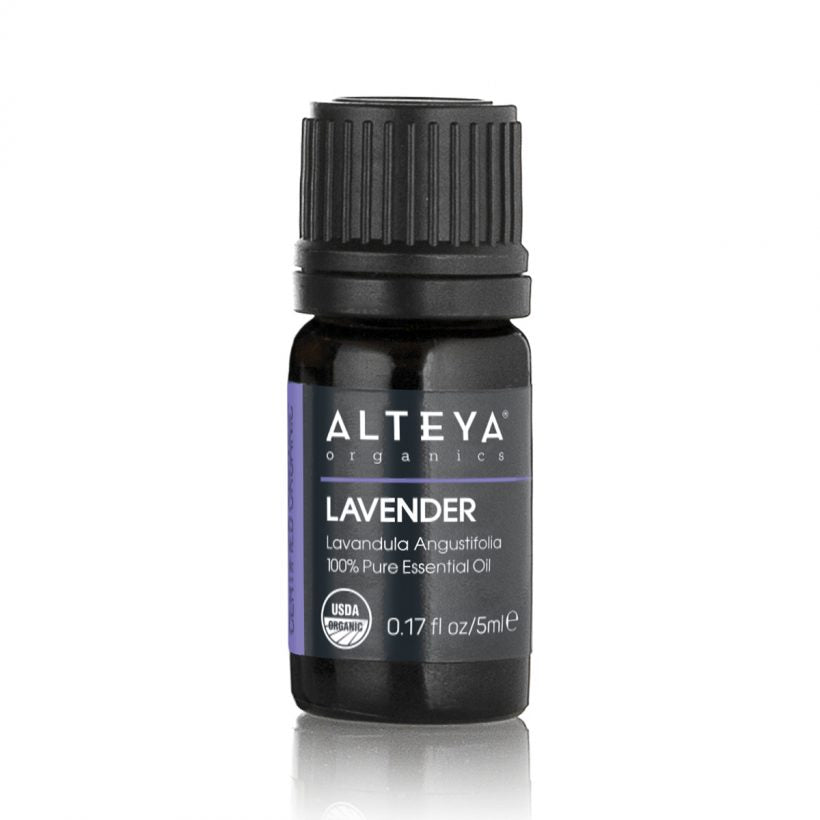
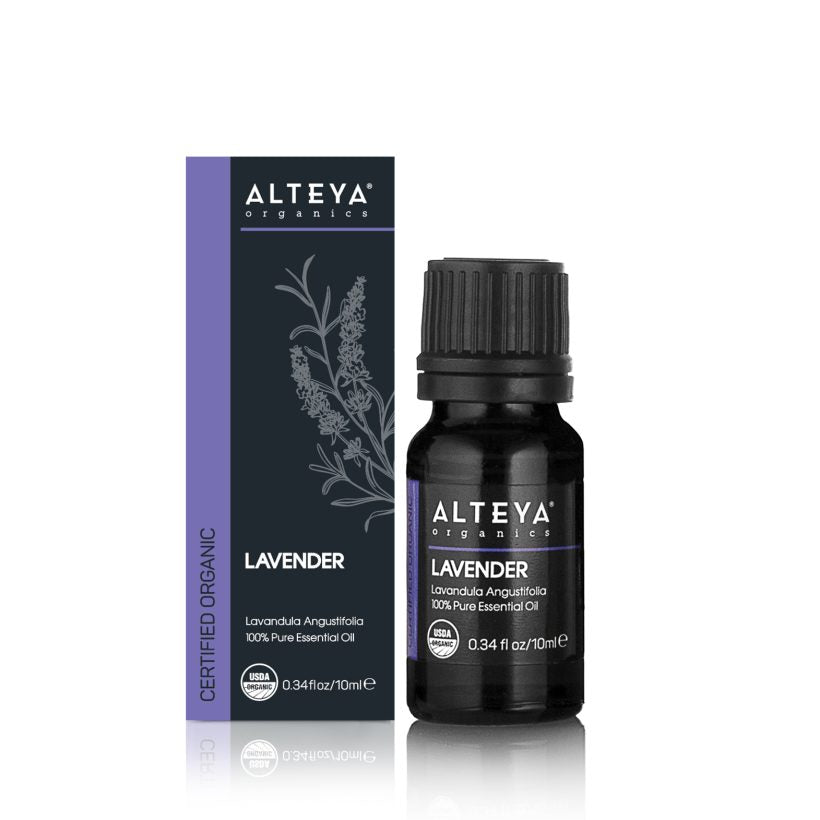
DESCRIPTION
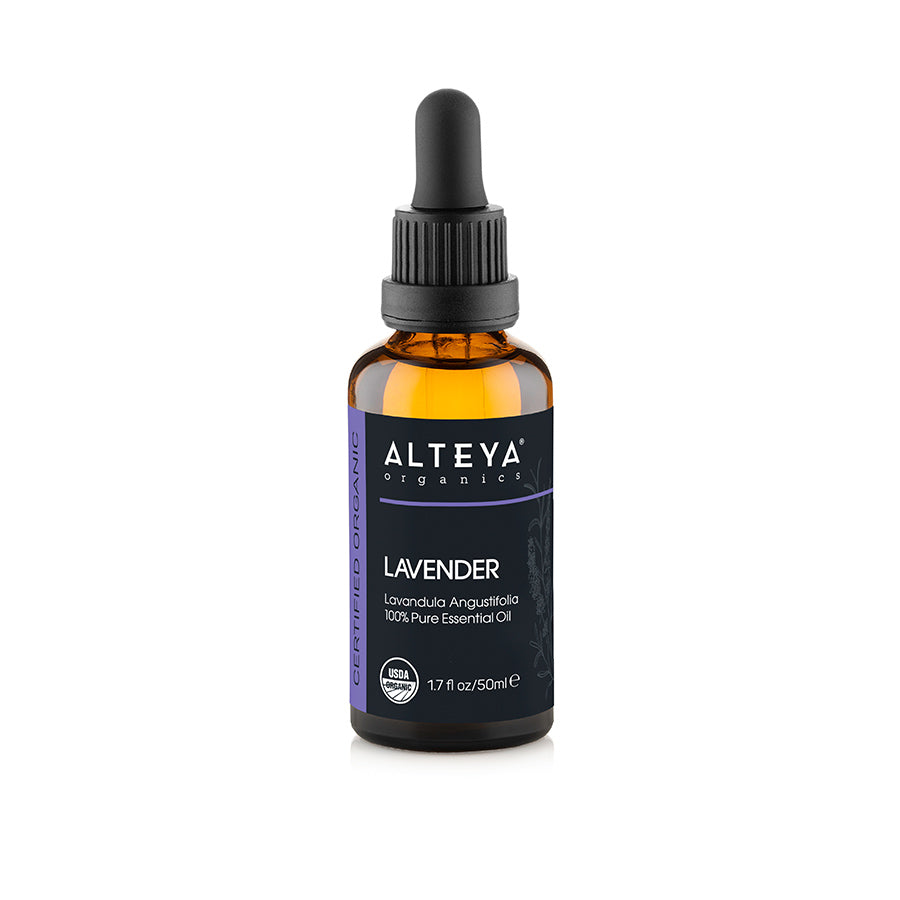
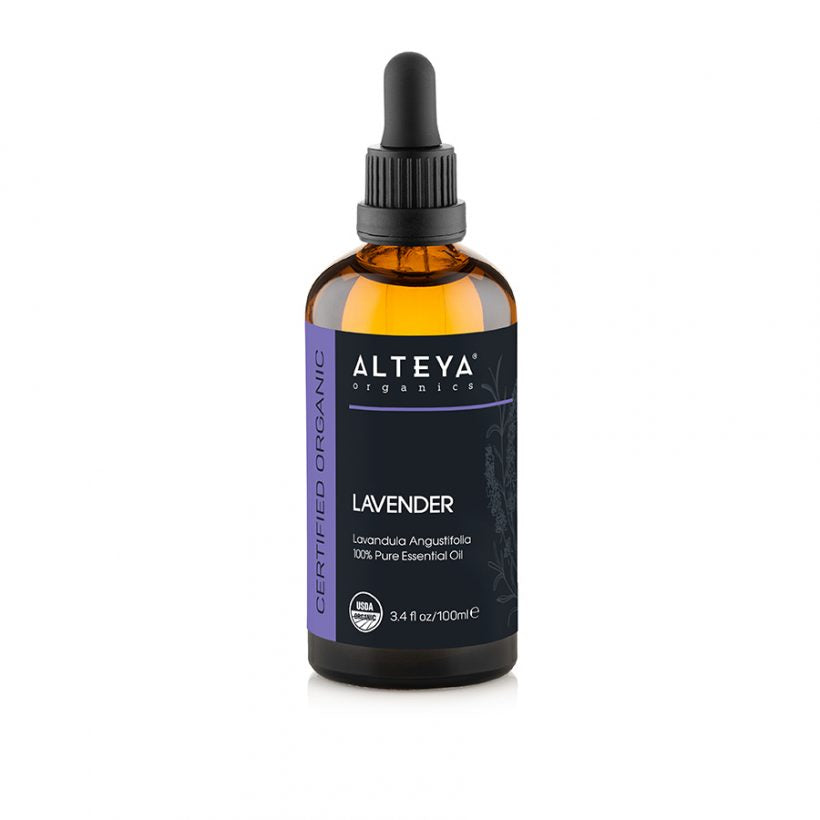
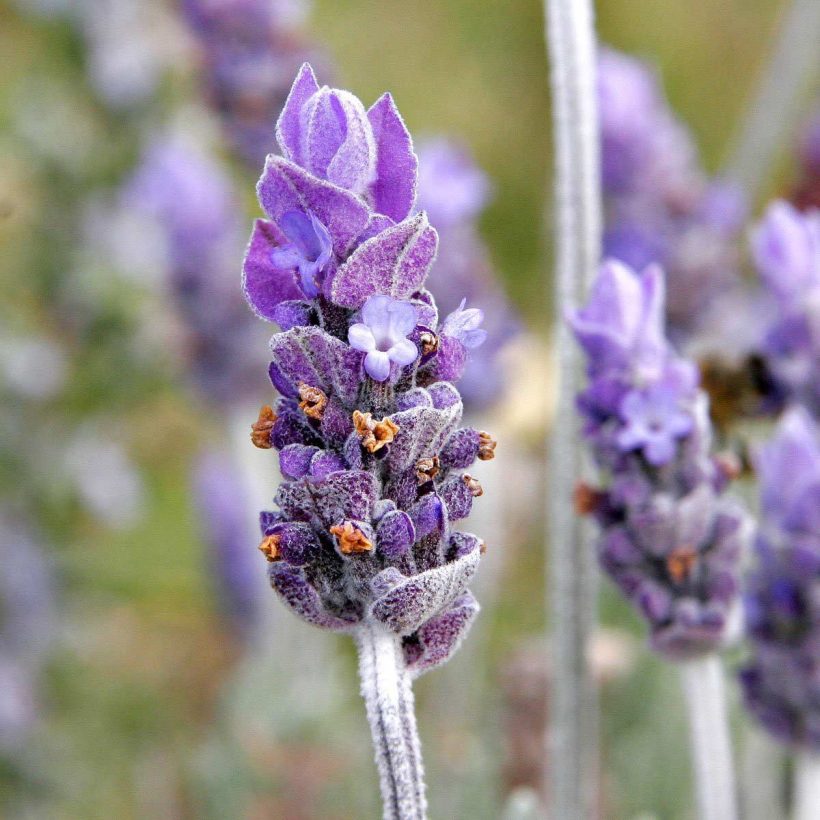
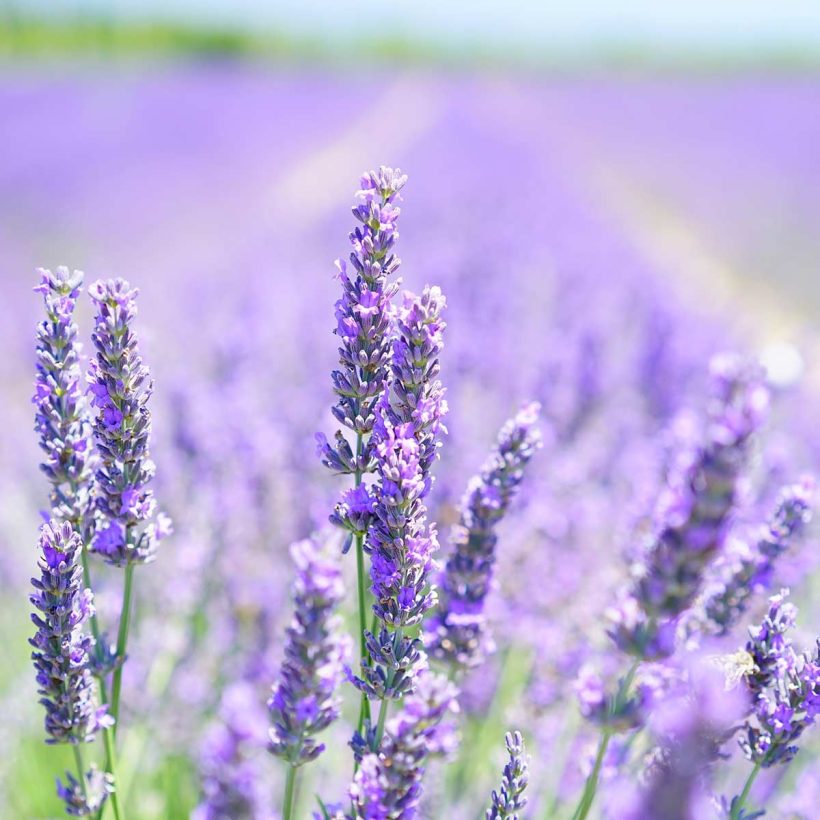
Our Organic Bulgarian Lavender essential oil is extracted through steam distillation of the Lavandula Angustifolia (also known as Lavandula Officinalis, Spica and Vera) plant belonging to the Lamiaceae family. It has a pronounced, rich, floral, soothing aroma.
Our high quality organic Lavender oil possesses superior therapeutic and fragrance qualities due to the specific geographic and climate conditions in the area (The Rose Valley in Bulgaria).
Lavender oil is one of the most preferred essential oils because of its many benefits, its versatility and its pleasant aroma. It is also considered one of the safest essential oils.
Lavender essential oil has been found to have the ability to eliminate some harmful bacteria, disinfect and soothe inflamed skin (especially when it results from insect bites), and promote faster healing of injured skin. Thanks to its powerful antioxidant action, it helps to improve the appearance of the skin, protecting it from the harmful free radicals.
Used in hair care, Lavender oil acts as an antiseptic that cleanses the scalp and helps combat inflammation, irritation and dandruff.
Added to a massage blend, this calming oil oil can help relieve muscle tension, menstrual pain, and headache.
When used in aromatherapy, Lavender oil helps reduce stress by relaxing the brain nodes. It is believed that it could have a positive effect on depression in some people by balancing hormone levels and reducing the feeling of nervous tension. Due to its soothing and relaxing properties, Lavender oil can also contribute to the lenght and quiality of sleep.
Aromatically Bulgarian Lavender oil blends well with Bergamot, Grapefruit, Lemongrass, Sweet Orange, Neroli, Ylang Ylang, Palmarosa, Roman Chamomile, Frankincense, Cedarwood, Geramium, Black Pepper, etc.
SUGGESTED USE
Diffuse Bulgarian Lavender essential oil when you need to relieve headache, nausea, or when you have a trouble with falling asleep. Bulgarian Lavender oil would also deodorize stale air or fabrics.
Add Bulgarian Lavender essential oil to a massage blend to soothe pain from different origin – menstrual, muscle, joint, headache…This massage would also help you unwind, relieving tension and stress.
Add Bulgarian Lavender essential oil to a cosmetic product such as a cream or lotion to experience its toninig, soothing, energizing action. It will work to relieve dry skin and itching and will promote faster healing of pimples, cuts, wounds, and bug bites and stings.
Dilute Bulgarian Lavender essential oil into your shampoo. The regular use will cleanse the scalp, increase blood circulation and enhance hair growth.
Add Bulgarian Lavender essential oil to bath salts and enjoy a relaxing bath that will help to relieve a tired and aching body. Lavender essential oil would also combat the harmful effects of contaminants on the skin by inhibiting bacterial growth and reproduction.
INGREDIENTS
Lavandula Angustifolia (Lavender) Flower Oil*
*Certified Organic Ingredient
SAFETY
For external use only. Always dilute. Possible skin sensitivity. Keep out of reach of children. If you are pregnant, nursing, or under a doctor’s care, consult your physician. Avoid contact with eyes, inner ears, mucous membranes and sensitive areas.
Clove oil
Clove oil is rich in eugenol and has powerful analgesic and antibacterial effects, which makes it an effective remedy for mouth ulcers.(7) However, this method requires extreme caution! Eugenol is highly concentrated and improper use or overdose can cause irritation or еven oral mucosa ulsers.(5)
It is recommended that you dilute pure clove extract with a carrier oil and use it in very small quantities, applying it onto the affected area only. Consult a specialist before using this method, especially if you have sensitive mucosa or if you are prone to allergic reactions.
Proper application of essential oils for mouth ulcers can relieve pain and support recovery, but it is important to proceed carefully and follow safety recommendations.
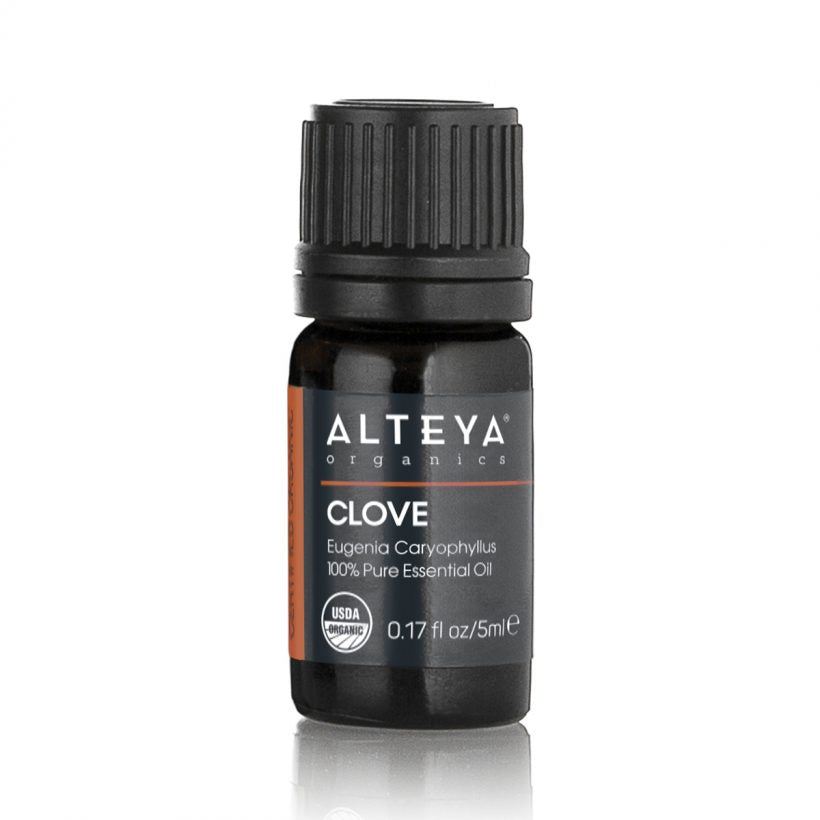
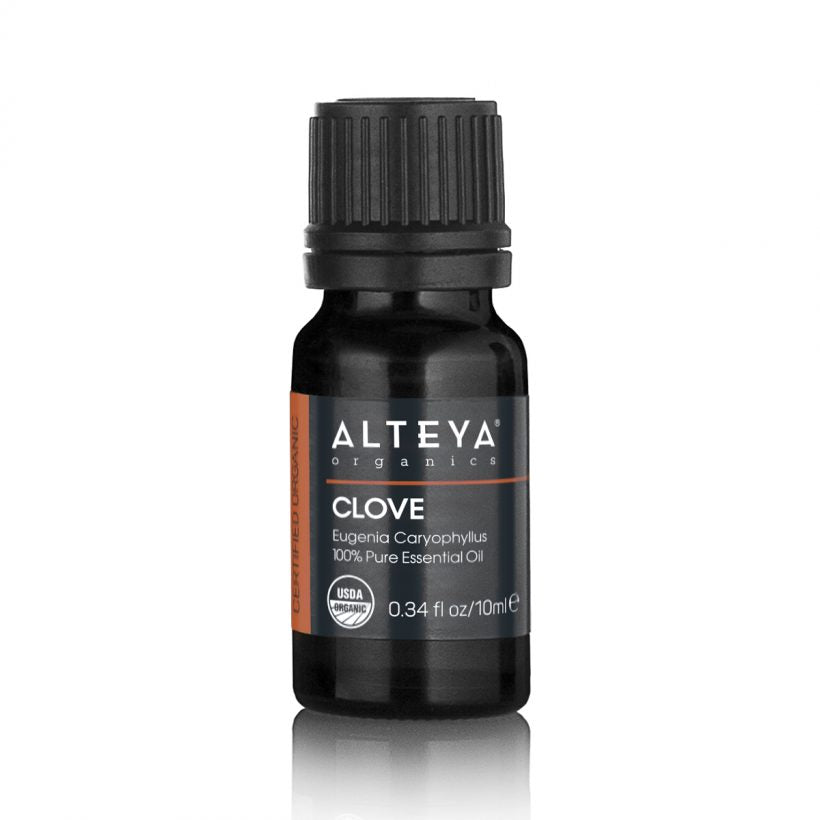
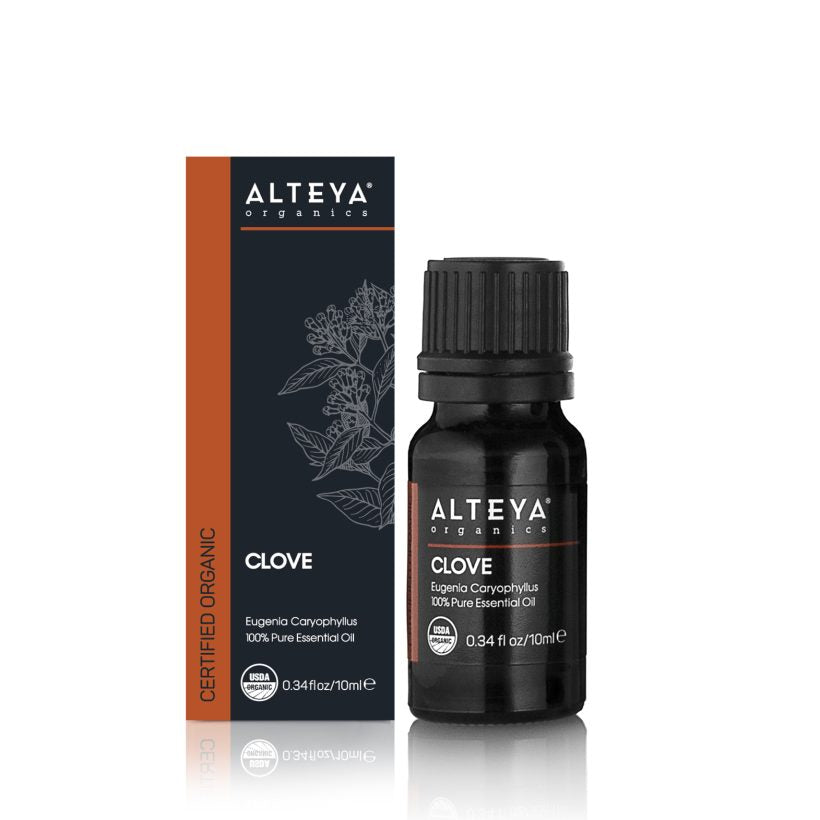
DESCRIPTION
/EUGENIA CARYOPHYLLUS/
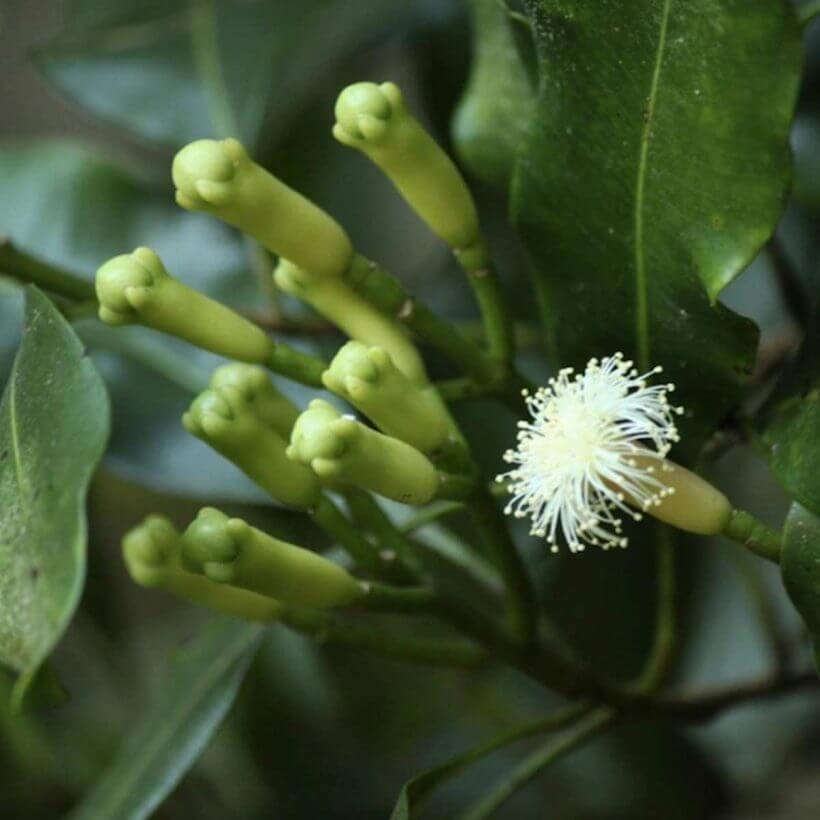
Clove essential oil is extracted by steam distillation of Eugenia Caryophyllus tree buds. Clove oil has a clear to pale yellow color. Its aroma is warm, woody and strong, with a pronounced clove scent. Clove essential oil contains a rich composition of phytochemicals, including sesquiterpenes, monoterpenes and phenolic compounds, but its three main ingredients are eugenol, eugenyl acetate and beta-caryophyllene. It is to them that this essential oil owes its antimicrobial, anti-inflammatory and antioxidant action.
Clove essential oil is an aphrodisiac, it also stimulates the mind and helps to prevent depression. It helps with indigestion, relieves respiratory problems, applied through massage relieves pain due to arthritis and rheumatism. The aroma of clove oil has an insect repellent effect.
Clove essential oil blends well with cinnamon, ginger, peppermint, rosemary, and almost all citrus oils.
Clove essential oil is very strong and potent oil and should be used with caution.
SUGGESTED USE
Diffuse clove essential oil when you need to refresh the air in the space or when you need to boost your concentration and focus. Diffusion with clove oil is also recommended when you are dealing with coughs and colds.
Add to a massage blend and use when you need a detoxifying massage experience.
Add 1-2 drops to your regular moisturizer to helo achieve invigorated look of your skin.
INGREDIENTS
Eugenia Caryophyllus (Clove) essential oil*
*Certified Organic Ingredient
SAFETY
For external use only. Always dilute. Possible skin sensitivity. Keep out of reach of children. If you are pregnant, nursing, or under a doctor’s care, consult your physician. Avoid contact with eyes, inner ears, mucous membranes and sensitive areas.
Fungal infections treatment with essential oils
Essential oils offer an effective natural solution to fighting off fungal infections thanks to their strong antimicrobial and antifungal properties. The following are some of the most effective oils and some practical ways of using them.
Eucalyptus, lavender, and lemon oil
A comprehensive scientific literature review from 2017 found that there are more than 90 types of essential oils that can positively affect various skin conditions. Among them, eucalyptus oil and lemon oil are particularly effective against different types of fungal infections of the skin and nails.An in vivo study (conducted on living organisms) also found that lavender oil can suppress the growth of Candida albicans with the same effec as the chemical clotrimazole.(8)
DESCRIPTION
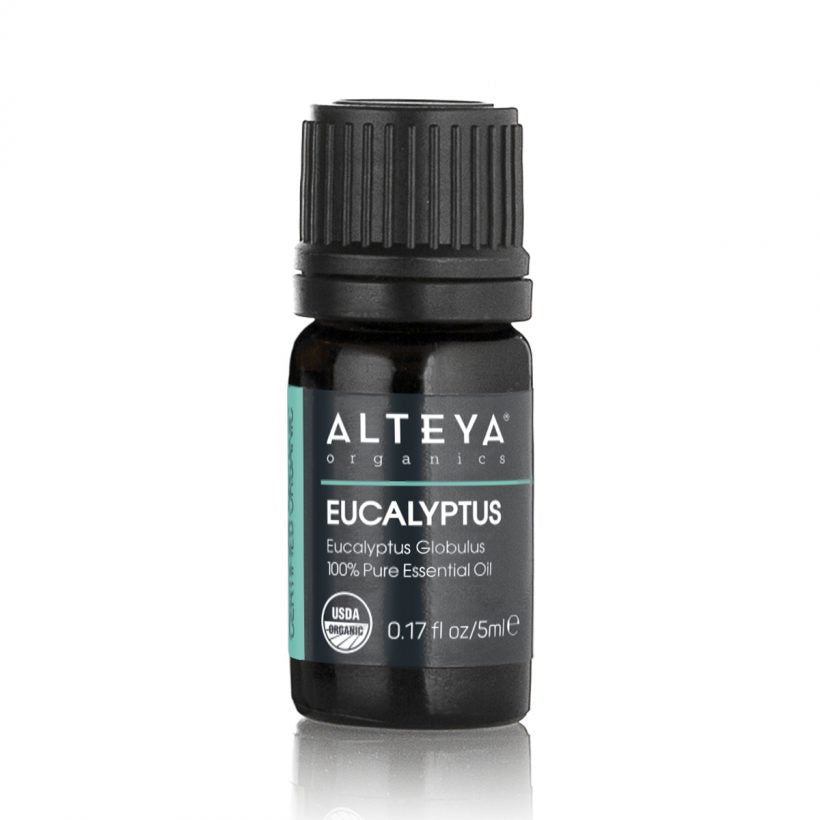
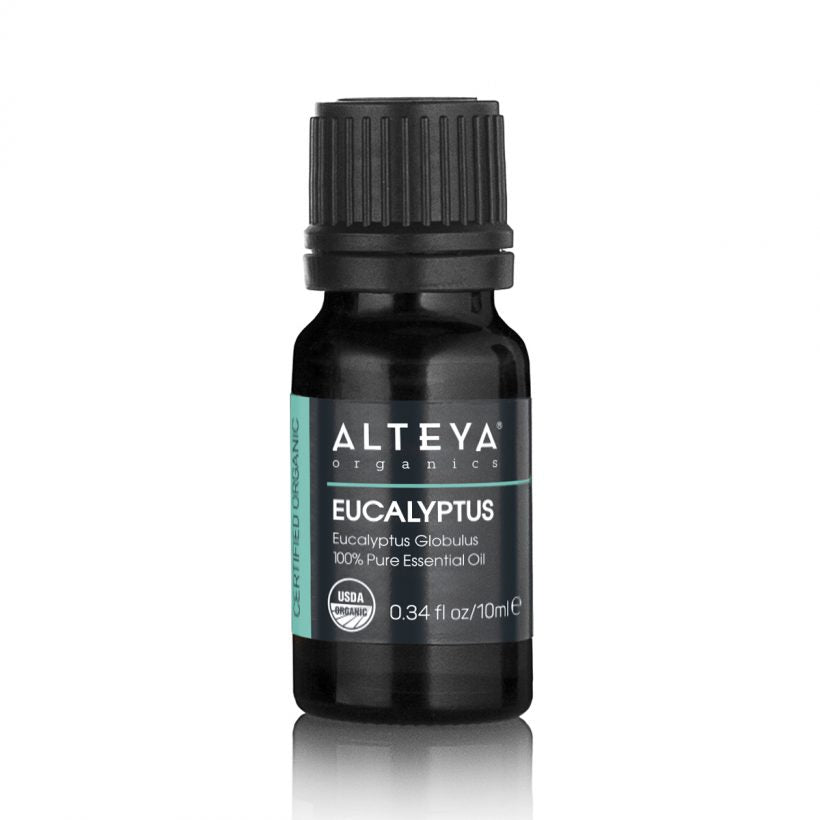
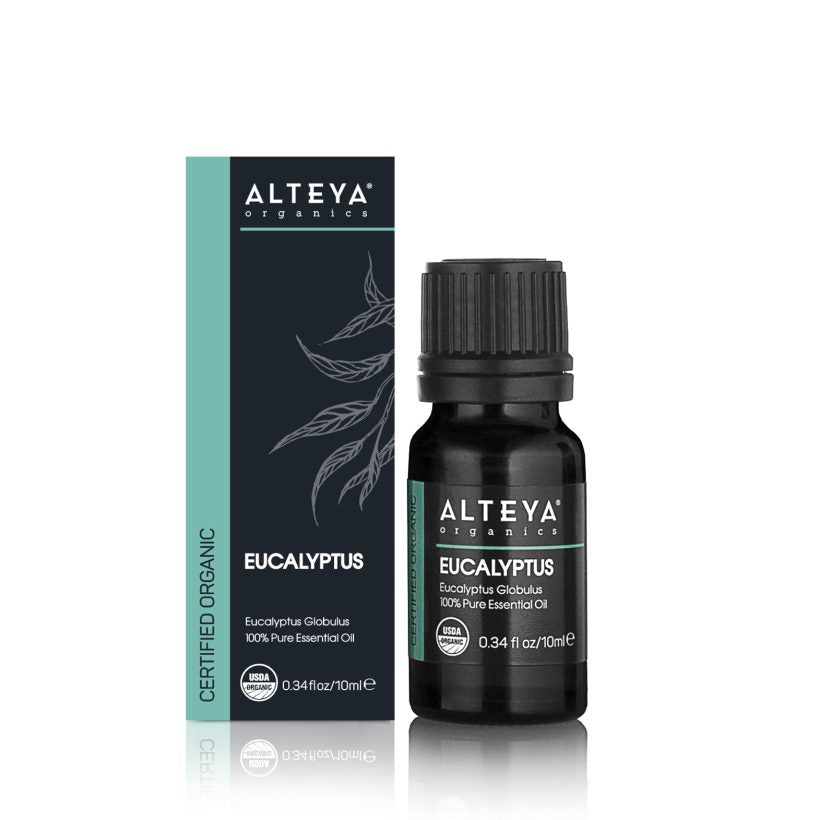
/EUCALYPTUS GLOBULUS/
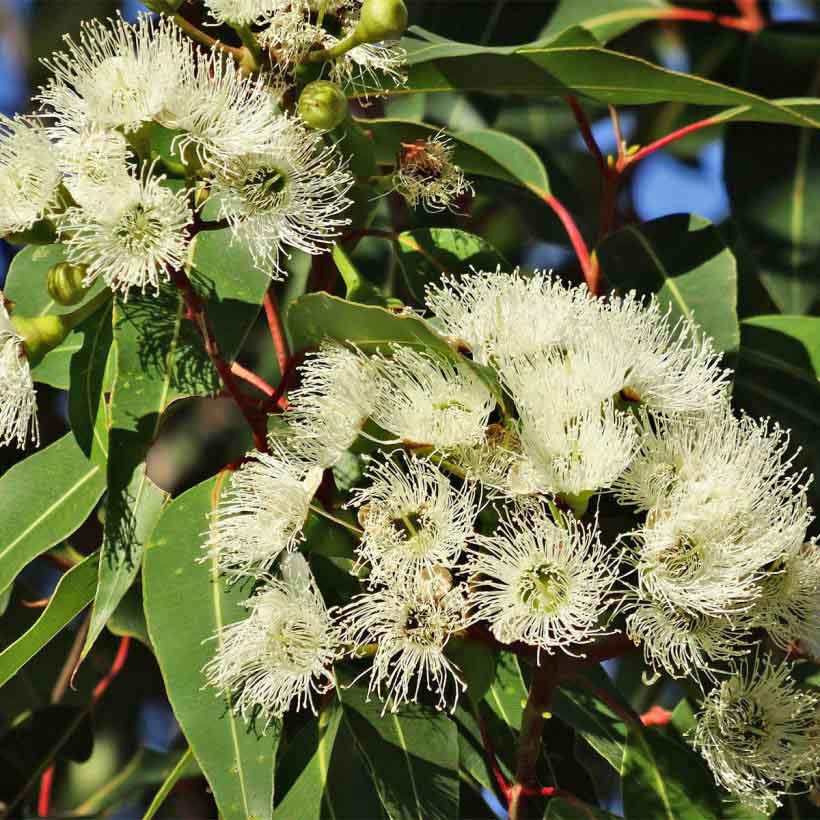
Eucalyptus essential oil is extracted from the skin and leaves of the Eucalyptus Globulus tree by steam distillation. It is transparent fluid with cool refreshing, woody and medicinal scent.
Used in aromatherapy Eucalyptus essential oil stimulates the mind and energizes the body. It is also known to help relieve airways during a cold or flu and to eliminate harmful bacteria.
Used cosmetically Eucalyptus essential oil is reputed to aid in skin regeneration processes. It is also beneficial for acne-prone skin – to cleanse and disinfect it. It can also have soothing action on insect bites and stings as well as aid in faster healing of wounds, cuts, burns, and sores. Used in haircare, this oil moisturizers and cleanses dry or itchy scalp.
Eucalyptus oil can effectively serve as a cleaning product for the kitchen due to its antibacterial and antimicrobial properties.
Aromatically Eucalyptus essential oil blends well with Peppermint, Spearmint, Thyme, Rosemary, Pine, Cedarwood, Lavender, Lemon, Bergamot oils.
SUGGESTED USE
Diffuse when you have high stress levels or when you need to clear your mind and uplift your mood.
Add a few drops to your moisturizer or home-made skin cleanser to balance and energize your complexion and purify skin.
Use it as a key ingredient into your home-made natural repellent or anti-perspirant.
Put a few drops into your shampoo, body lotion or liquid body wash to enhance their fragrance and benefits.
INGREDIENTS
Eucalyptus Globulus (Eucalyptus) essential oil*
*Certified Organic Ingredient
SAFETY
For external use only. Always dilute. Possible skin sensitivity. Keep out of reach of children. If you are pregnant, nursing, or under a doctor’s care, consult your physician. Avoid contact with eyes, inner ears, mucous membranes and sensitive areas.
Tea tree oil
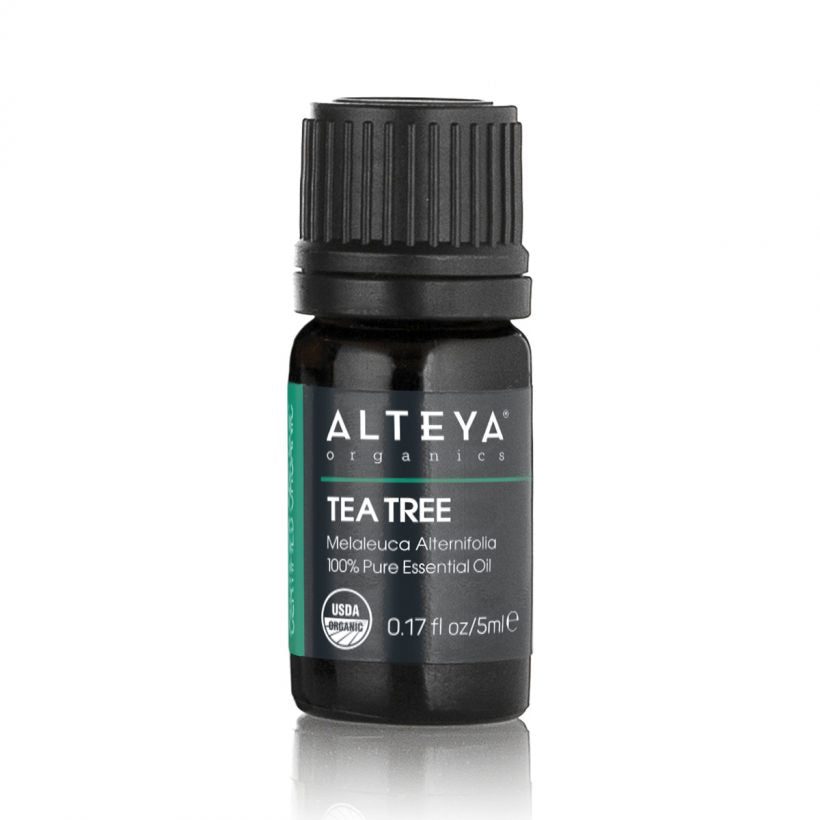
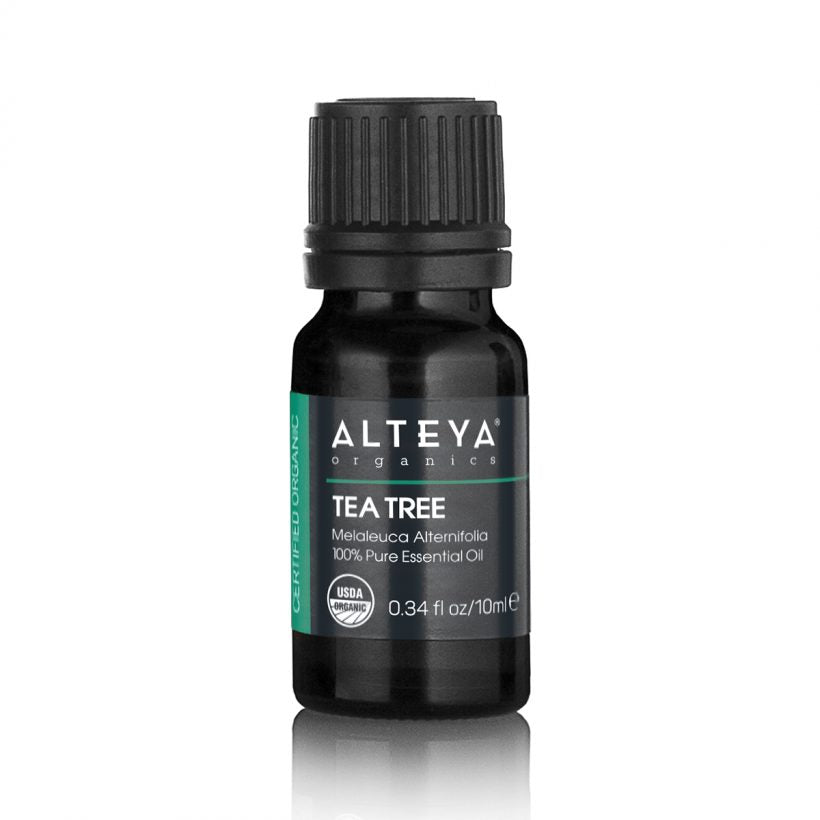
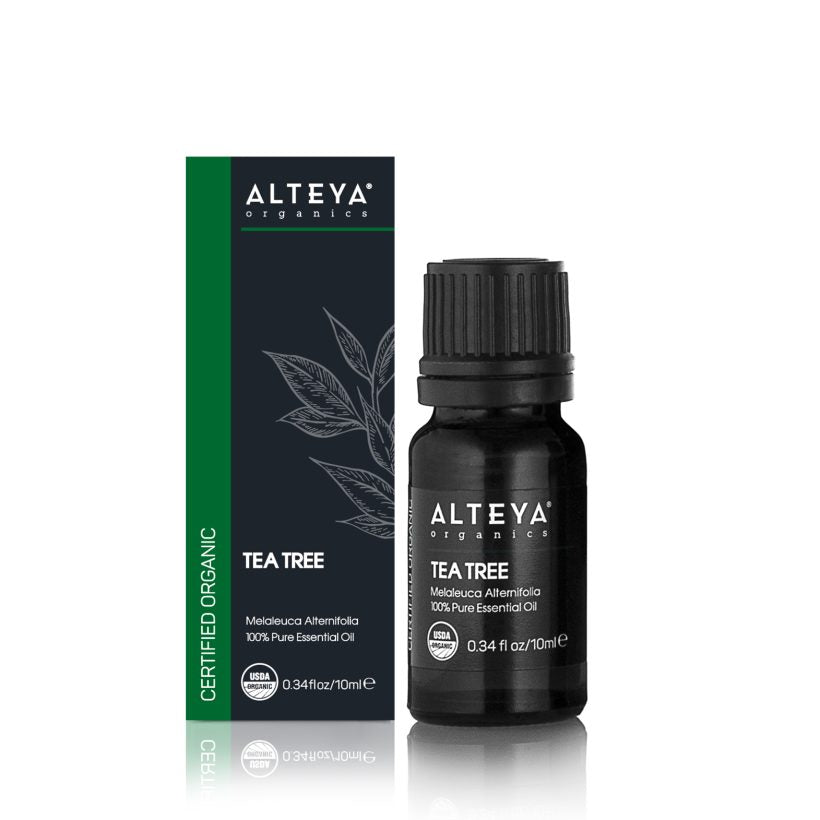
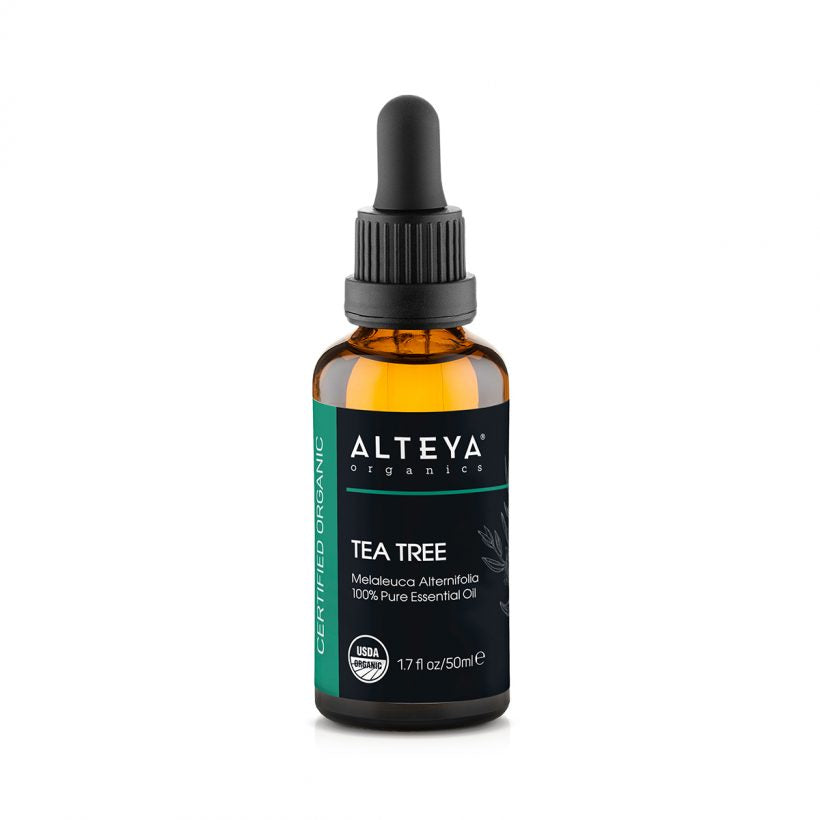
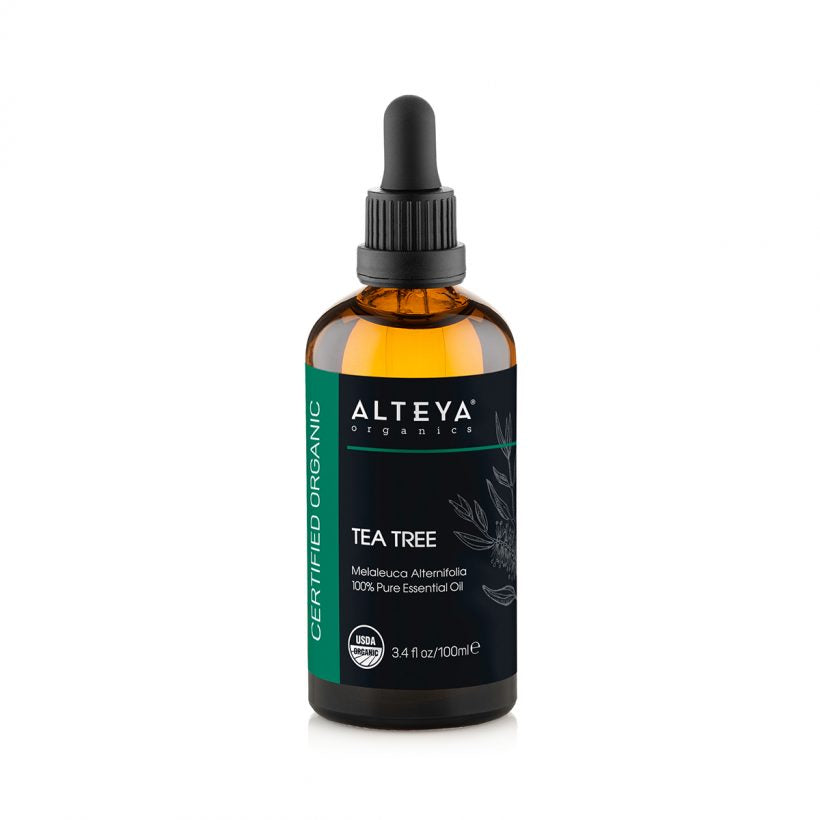
This oil is among the most thoroughly researched oils for treating fungal infections. Studies show that it is highly effective against onychomycosis (fungal nail infection).(12) Unlike most other oils, for maximum effect, tea tree essential oil can be applied directly on the nails, without being diluted.(3) It can also be successfully used for the so called athlete’s foot (Tinea pedis).(11)
DESCRIPTION
/MELALEUCA ALTERNIFOLIA/
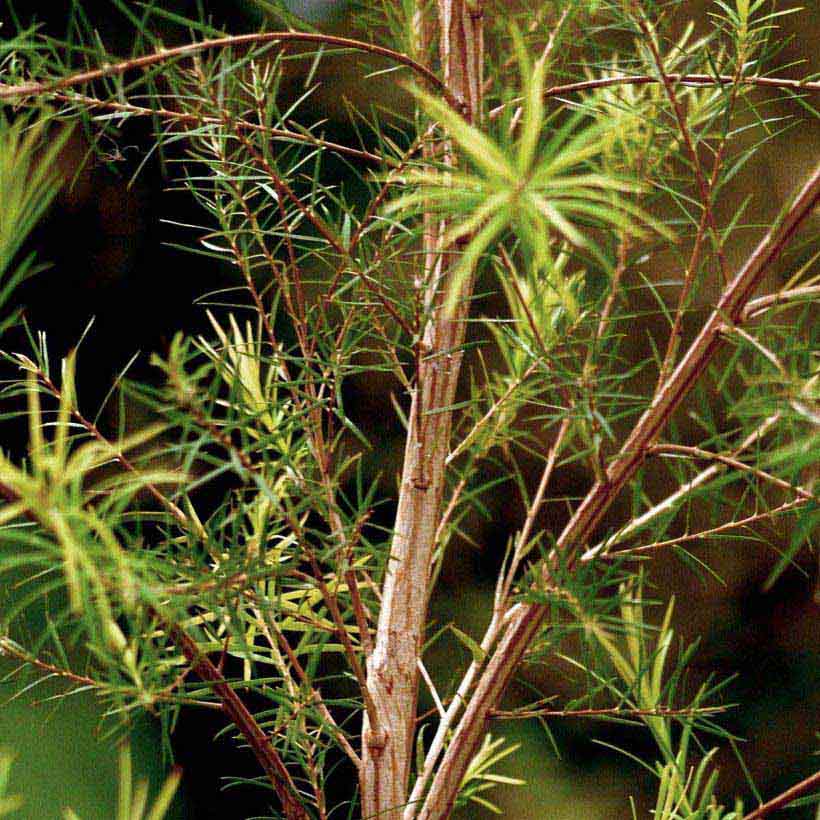
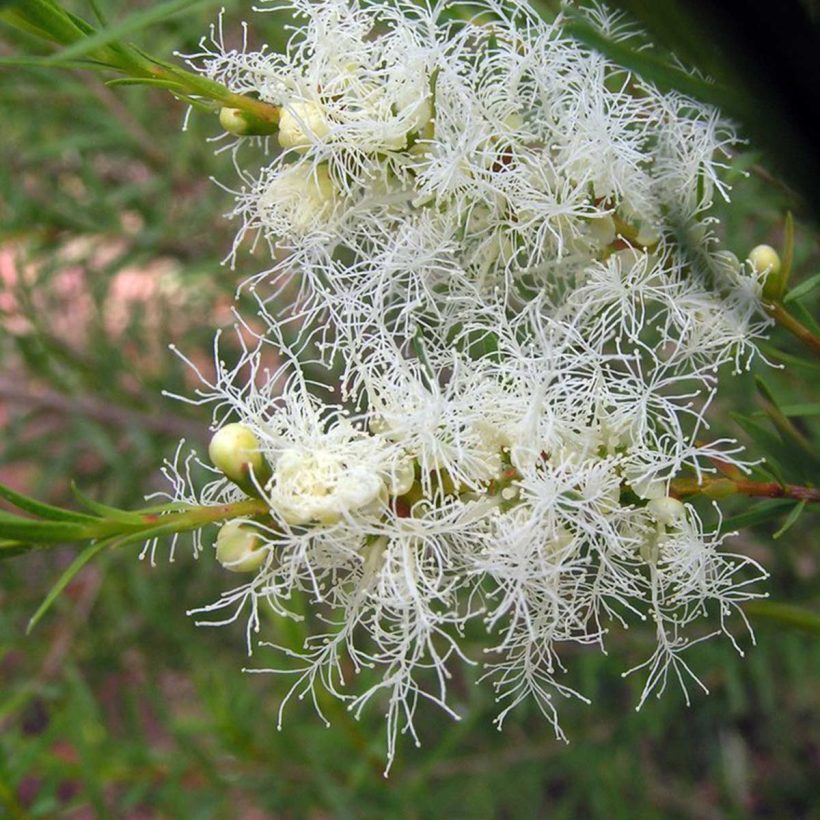
Tea tree essential oil is extracted from the leaves and twigs of the Melaleuca Alternifolia plant through steam distillation. The oil has a spicy, sharp but pleasant smell and is clear in color.
This essential oil is extremely popular nowadays, mainly due to its attributed wide range of properties, including – anti-inflammatory, antibacterial, antiviral, antiseptic, antifungal. etc.
Tea tree oil can be used in household cleaning products such as soaps, air fresheners, as well as insect repellents. It eliminates mold and harmful bacteria from various surfaces such as shower curtains, kitchen countertops, dishwashers. And when diffused, it acts in the same way in the air.
Used in aromatherapy, Tea tree oil can help reduce feelings of stress and fatigue. In can be useful for common cold and respiratory diseases as it is believed to have the ability to act as an expectorant.
This oil is also used in skin care – it is especially valuable for acne prone skin due to its antiseptic and cleansing action. It can also help balance sebum levels in the skin and scalp.
Tea tree essential oil should never be applied to sensitive areas of the skin, such as around the eyes or in the nose. After using the oil, sun exposure should be avoided, as the oil can cause skin sensitivity to UV rays.
The oil is toxic when ingested, so it should not be taken internally.
Tea tree essential oil combines well with lavender, geranium, chamomile, lemon, cloves, cinnamon and more.
SUGGESTED USE
– As an ingredient in natural hand sanitizer;
– As an ingredient in a natural repellent;
– As an antiseptic for small cuts and abrasions;
– For accelerated healing of skin wounds;
– For the treatment of acne;
– As an aid in the fight against nail fungus;
– To relieve the symptoms of inflamed or irritated skin;
– As an aid in the fight against dandruff;
– As an ingredient in a universal natural detergent;
– For aromatherapy.
INGREDIENTS
Melaleuca Alternifolia (Tea tree) Oil*
*Certified Organic Ingredient
SAFETY
For external use only. Always dilute. Possible skin sensitivity. Keep out of reach of children. If you are pregnant, nursing, or under a doctor’s care, consult your physician. Avoid contact with eyes, inner ears, mucous membranes and sensitive areas.
Treating varicose veins with essential oils
Varicose veins are characterized by swollen, visible veins that most often appear on the legs. They appear as a result of weakened venous walls and valves, which leads to impaired circulation. Symptoms include pain, heaviness in the legs, swelling, and a burning sensation. If left untreated, varicose veins can lead to complications such as inflammation, skin ulcers, and blood clots.
Essential oils may help relieve such conditions by improving circulation, reducing swelling, and easing pain. Two of the most effective essential oils are:
Lavender oil
Lavender oil is known for its anti-inflammatory and soothing properties. According to a 2012 study, lavender oil may help reduce the duration and size of skin ulcers - one of the common complications of varicose veins.2 Additionally, its analgesic and sedative properties can relieve pain and discomfort caused by associated condition.(6)
Rosemary oil
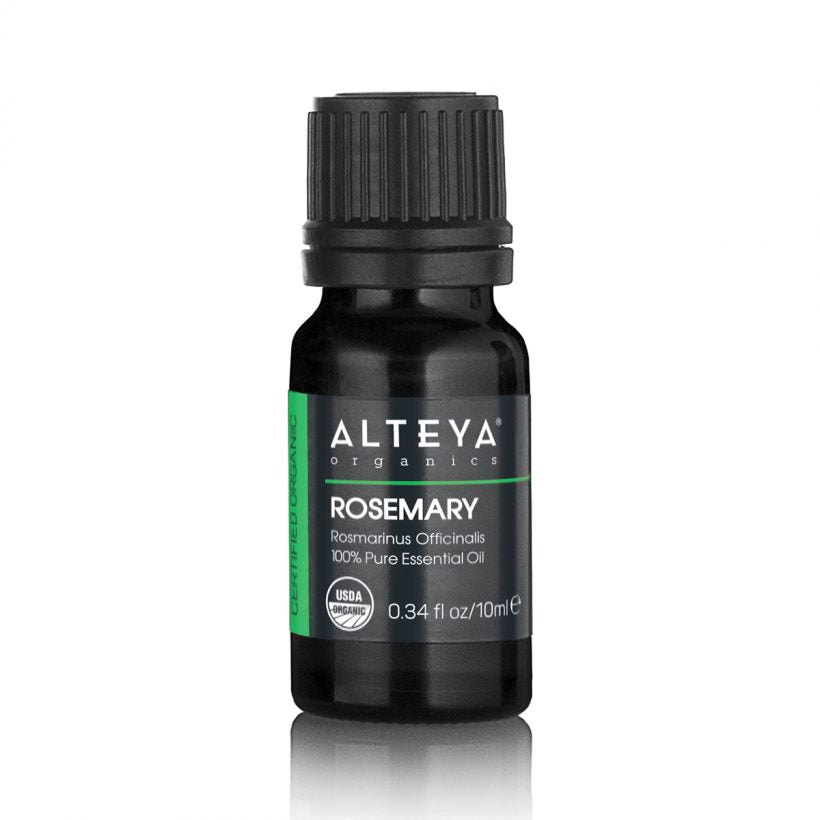
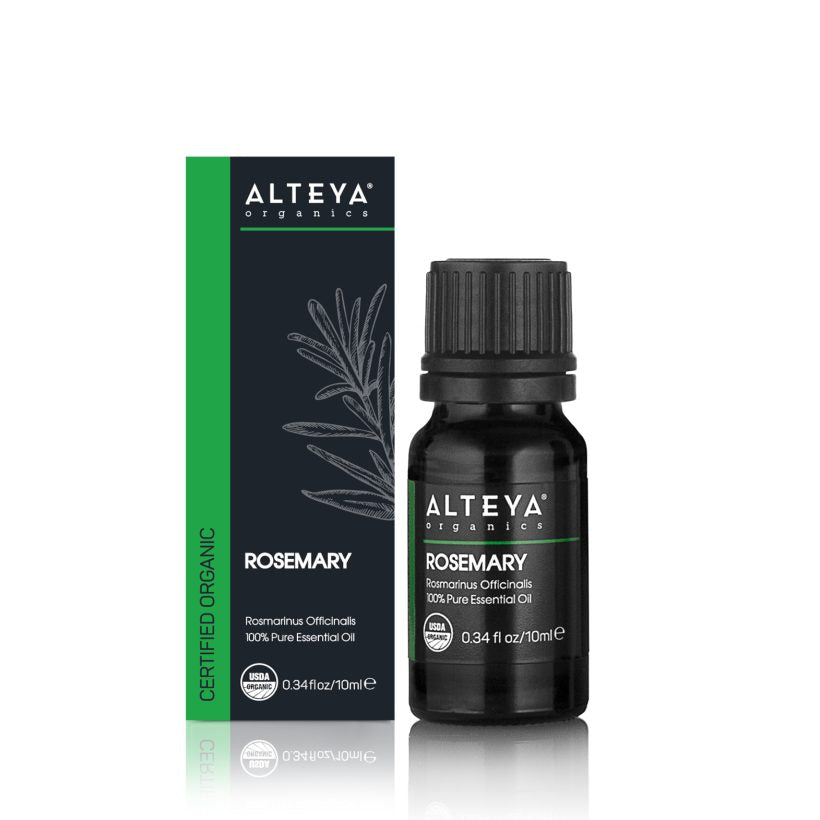
Rosemary oil is known for its ability to stimulate local blood circulation. A 2010 study suggests that it can improve blood flow and reduce pain.(9) Rosemary oil is often used in combination with carrier oils for blood circulation boosting massages in affected areas.
Using essential oils as part of overall therapy of that condition can relieve symptoms and help prevent complications. Though, it is recommended to consult a specialist regarding the proper use and dilution of appropriate essential oils.
DESCRIPTION
/Rosmarinus Officinalis/
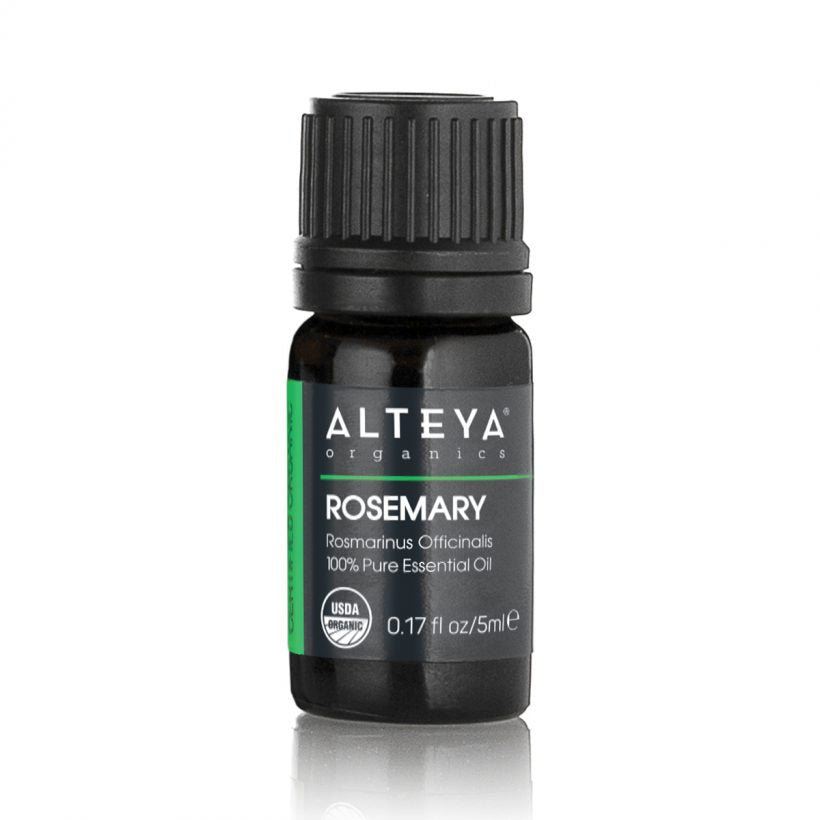
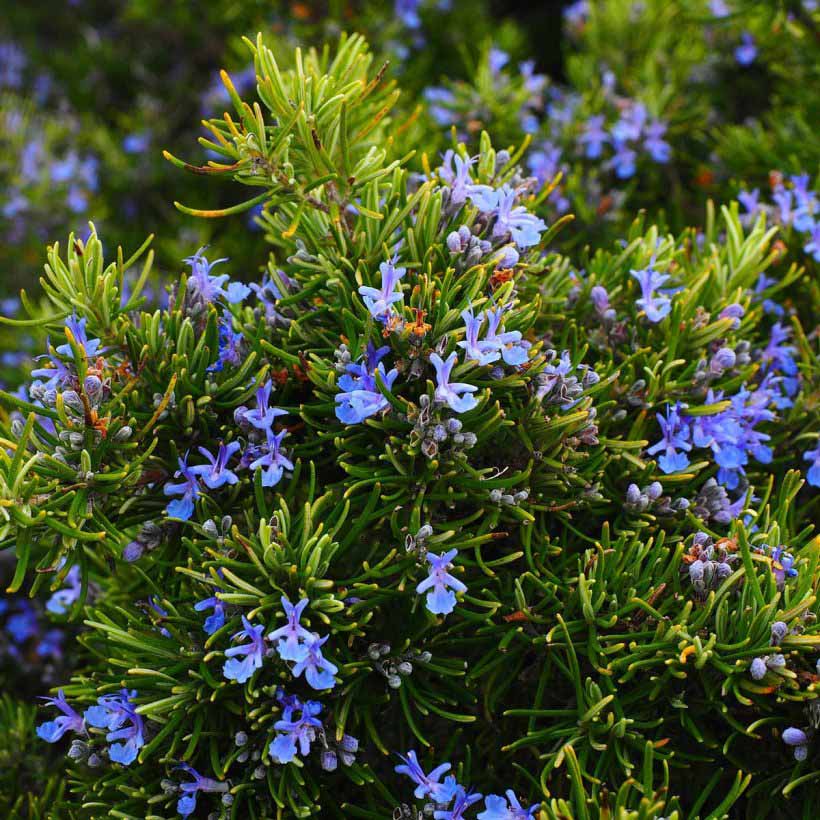
Organic rosemary essential oil is obtained by steam distillation from the Rosmarinus Officinalis plant. It is transparent in colour and has fresh herbal scent.
Used in aromatherapy, rosemary oil is believed to possess brain stimulating properties thus improving focus and memory. The aroma of rosemary essential oil is often used to stimulate the appetite or to boost immunity.
Applied through a massage (preliminary diluted in a carrier oil), it is known to have relaxing and soothing effect on muscles and joints. It is also reputed to help relieve symptoms of digestive disorders such as bloating, flatulence etc.
Used cosmetically, rosemary oil has a positive effect on the scalp stimulating hair growth. It is also known with its beneficial effect on acne, dermatitis and eczema.
SUGGESTED USE
Diffuse rosemary oil when you need to enhance your concentration and improve your focus.
Dilute rosemary essential oil in a carrier oil and gently massage the abdomen to help digestion and relieve any digestive discomfort.
Mix rosemary essential oil with a light carrier oil and treat irritated or dry skin.
INGREDIENTS
Rosmarinus Officinalis (Rosemary) Leaf Oil*
*Certified Organic Ingredient
SAFETY
For external use only. Always dilute. Possible skin sensitivity. Keep out of reach of children. If you are pregnant, nursing, or under a doctor’s care, consult your physician. Avoid contact with eyes, inner ears, mucous membranes and sensitive areas.
Seborrheic dermatitis treatment with essential oils
Seborrheic dermatitis (seborrhea) is a chronic skin condition characterized by redness, flaking, and itching. It most often affects the scalp, face, and other oily areas of the body. It is commonly associated with excessive activity of the sebaceous glands and the presence of Malassezia furfur fungus. If left untreated, seborrhea can lead to discomfort and irritation.
Essential oils may be helpful in the treatment of this skin condition by reducing inflammation, fighting the infection-causing organisms, and soothing the skin. The following are two of the most effective essential oils against seborrhea.
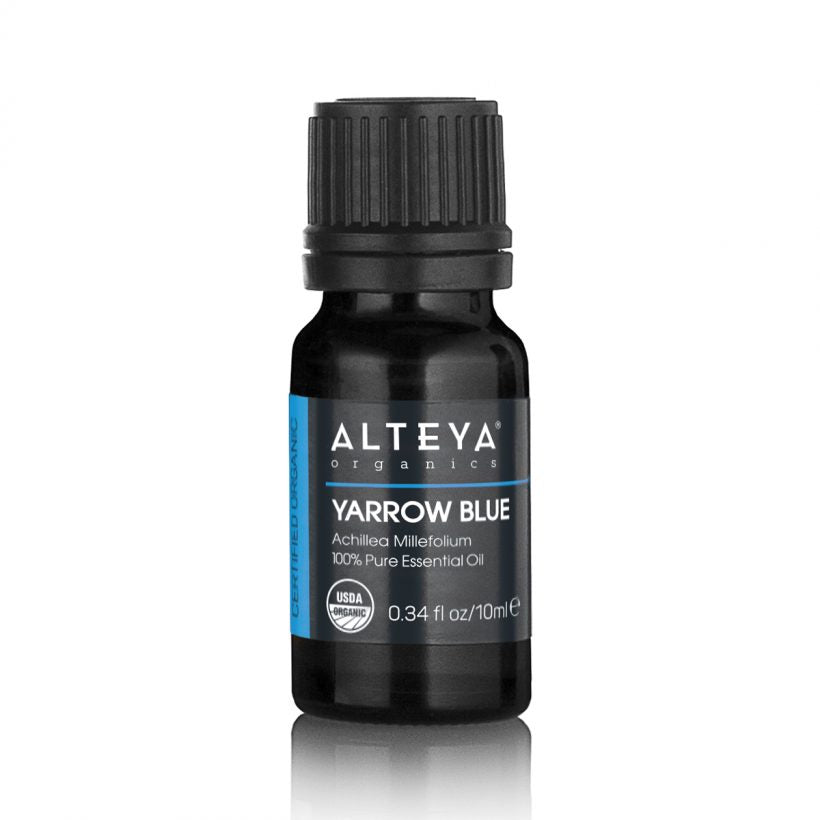
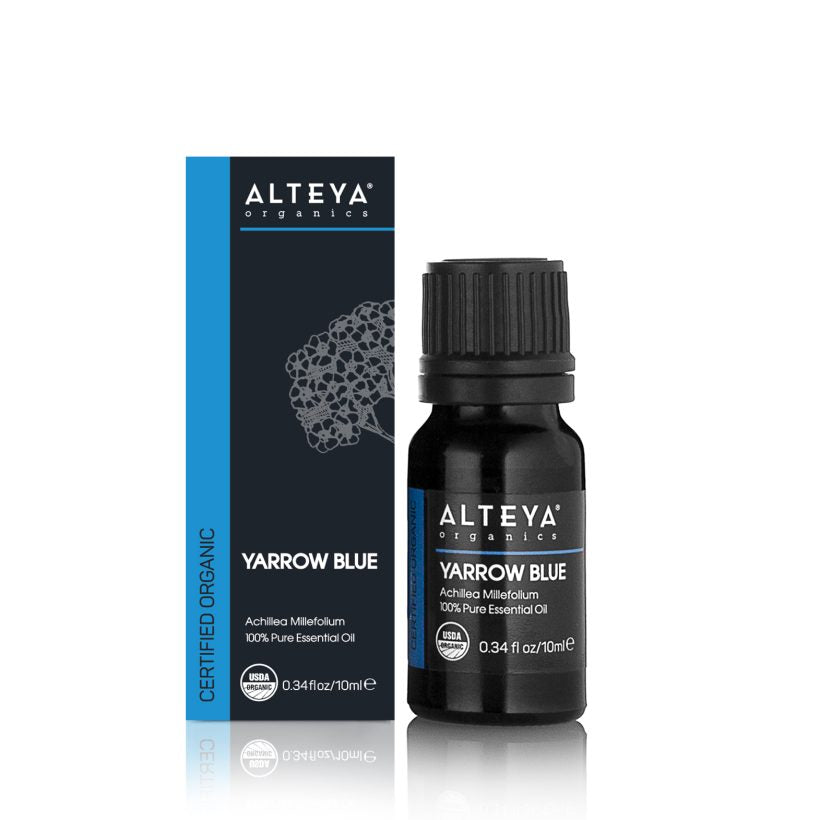
Yarrow oil
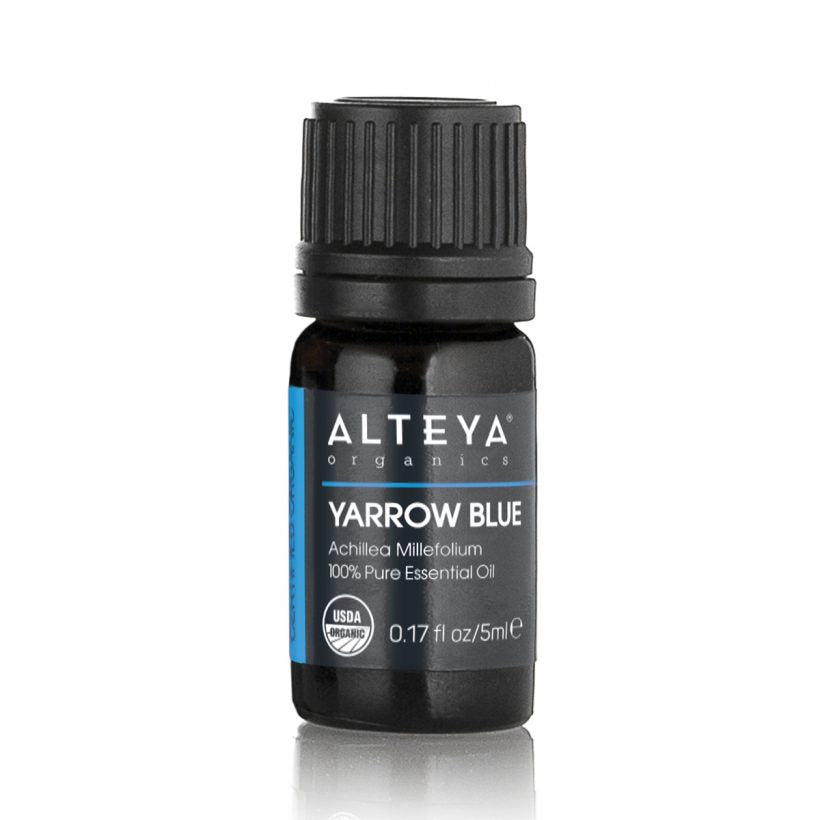
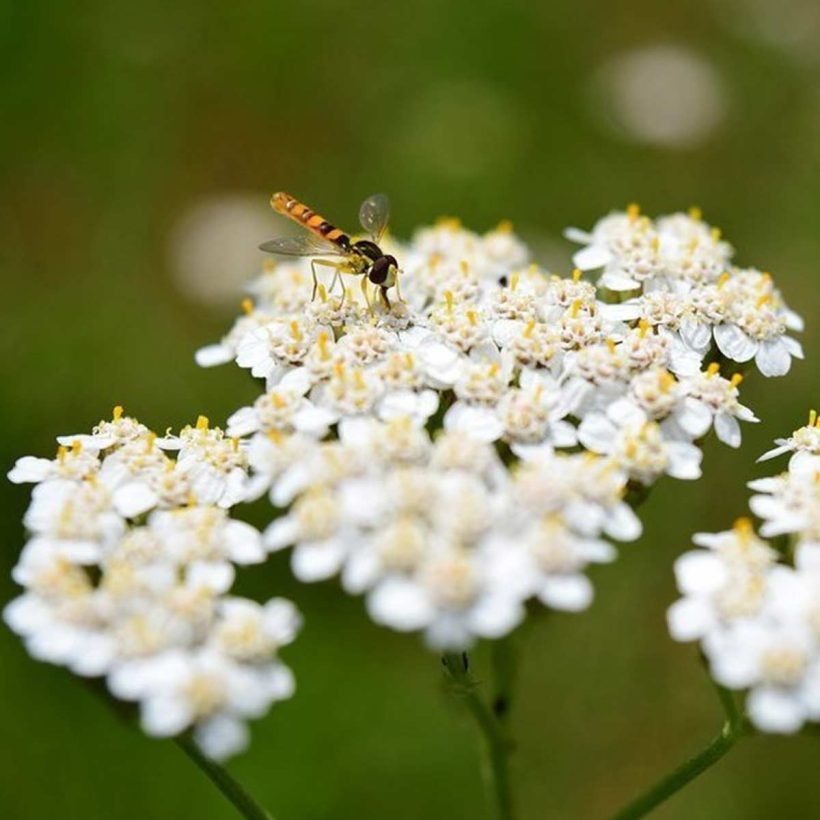
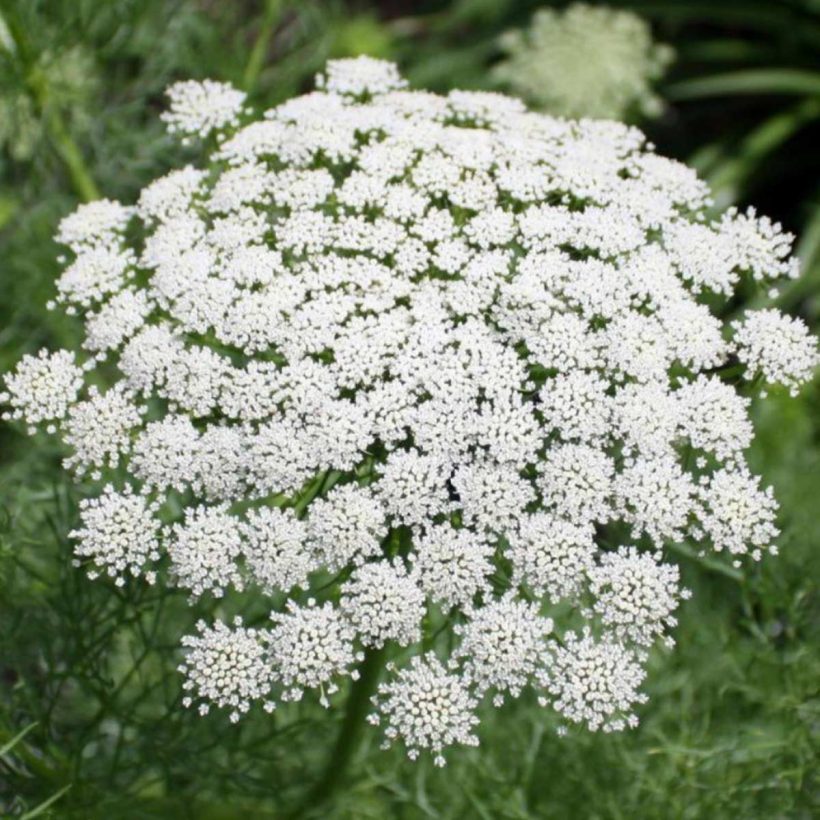
Yarrow oil (Achillea millefolium) is known for its anti-inflammatory and antimicrobial properties. Evidence suggests it may help reduce inflammation and relieve itching associated with seborrhea.8 Its soft aroma and soothing effect make it an ideal addition to conventional seborrhea treatment therapy. It is usually used diluted with a carrier oil and applied directly onto affected areas.
Tea tree oil
The extract from Melaleuca alternifolia is well known for its powerful antifungal properties. It effectively combats the fungus that is a primary cause of seborrheic dermatitis.8 Research also shows that tea tree oil can help treat dandruff - a common symptom of this condition.10 A simple way to make use of its valuable properties is to add a few drops to your shampoo or dilute it in a plant oil for application on other parts of the body.
DESCRIPTION
/ACHILLEA MILLEFOLIUM/
Organic Yarrow Blue essential oil is obtained from the Achillea Millefolium plant. Its scent is fresh and sweet with a light camphor note.
Organic Yarrow Blue essential oil is widely used in the perfumery and cosmetic industries as well as in different medications.
The Latin name comes from the Greek mythology and more specifically from its hero Achillea, who treated his wounds with the plant. The Yarrow Blue essential oil is reputed to have powerful antiseptic properties.
This oil is beneficial for treating skin conditions such as wounds, burns, acne, and dermatitis.
SUGGESTED USE
Aromatherapy: Add a few drops of Yarrow blue oil to a water-filled aroma lamp or aroma diffuser to experience its calming benefits
Massage: add 10 to 15 drops of Yarrow blue oil to 50 ml of base oil, and gently massage with the resulting blend. This may help relieve tired or aching muscles and joints.
Skin care: Add a few drops of Yarrow blue oil to your favorite cosmetic product. The oil will enhance the skin-beautifying effect of the cosmetic product.
INGREDIENTS
Achillea Millefolium (Yarrow Blue) essential oil*
*Certified Organic Ingredient
SAFETY
For external use only. Always dilute. Possible skin sensitivity. Keep out of reach of children. If you are pregnant, nursing, or under a doctor’s care, consult your physician. Avoid contact with eyes, inner ears, mucous membranes and sensitive areas.
Essential oil therapy for psoriasis
Psoriasis is a chronic inflammatory skin condition that causes red, scaly, and often painful patches. It develops as a result of an autoimmune reaction that accelerates the process of skin cells regeneration.
Symptoms include itching, irritation, and dryness, and in some cases joint swelling may also occur. Recommended methods of treatment include a holistic approach aiming at relieving inflammation, soothing the skin and maintaining its water balance.
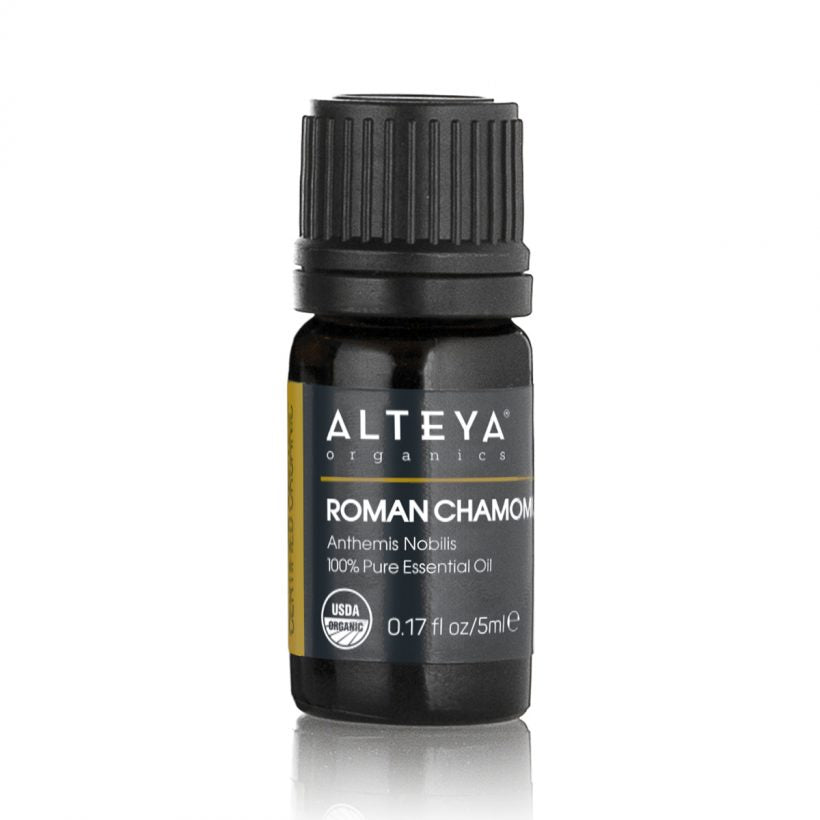
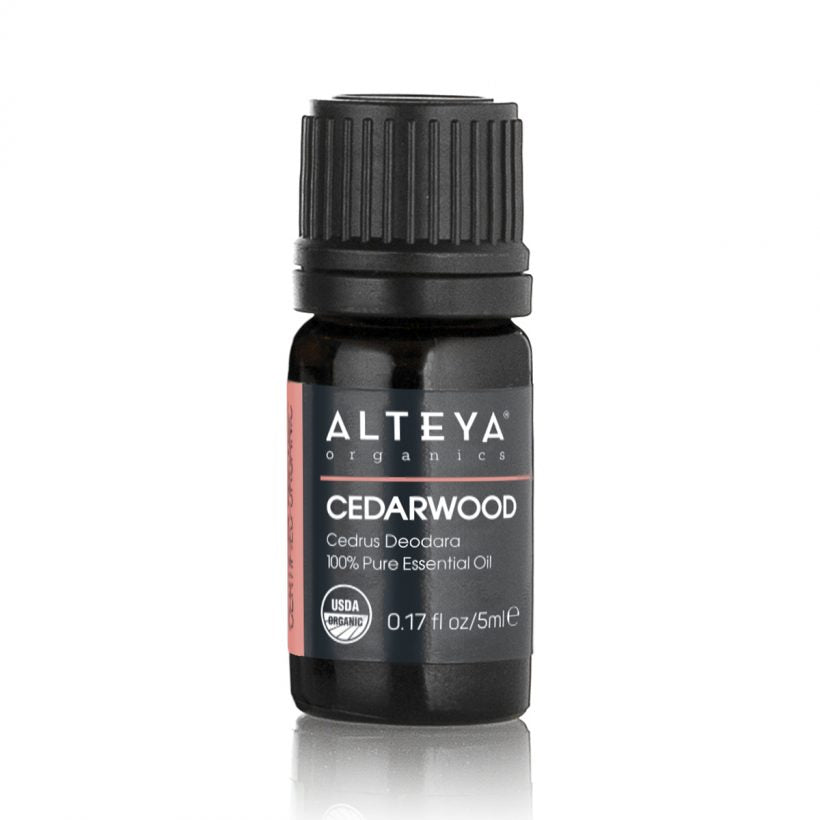
Valuable oils used in psoriasis therapy include Roman chamomile, frankincense (Boswellia carterii), and Atlas cedar oils, which are known for their anti-inflammatory properties. They may help reduce redness and itching.
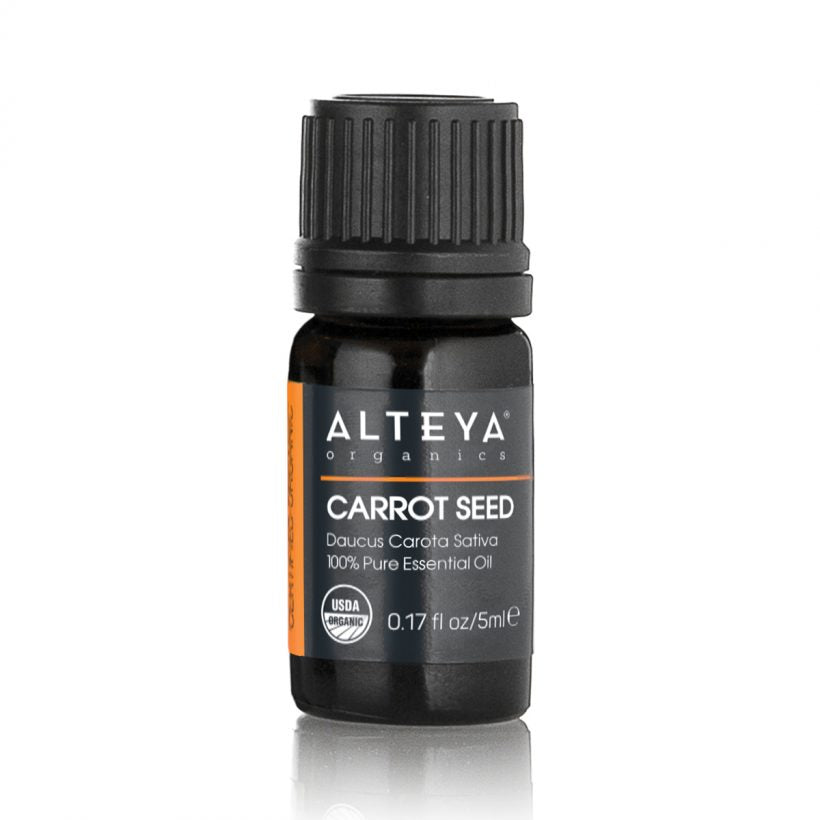
Neroli, bergamot, palmarosa, carrot seed, and immortelle extracts help maintain skin hydration, stimulate regeneration, and create a protective barrier against external aggressive factors.8 For better results, these oils may also be used in combination.
Even though most essential oils are safe to use when properly diluted, always consult a qualified specialist before first use.
Essential oils for treating burns
Whether caused by excessive exposure to the sun or contact with heat, any skin burn can cause significant discomfort. Did you know that essential oils can be used to help stimulate healing thanks to their antiseptic, anti-inflammatory, and regenerative properties.
Some of the most effective oils for treating burns include eucalyptus, Roman chamomile, lavender, and peppermint oil. Eucalyptus has an antibacterial and anti-inflammatory action, which helps prevent infections and diminish the inflammation in the affected area. Roman chamomile (Anthemis nobilis) is known to have moisturizing and restorative properties that support skin healing, including symptoms of sunburn.1
Lavender oil is characterized by its power to help relieve pain, reduce inflammation, sooth the skin and accelerate its recovery 1 , while peppermint oil provides a cooling effect and pain relief due to its analgetic properties.4 All these essential oils are a powerful tool against the discomfort of sunburns and when properly used, they can substantially speed skin regeneration.
How to treat burns with essential oils
Never apply pure essential oils directly to burned skin, as this may cause inflammation and worsen the condition. Only when properly used essential ois can be beneficial for minor skin burns.
Compress: Mix 5 drops of oil with 1 cup of warm water. Soak a clean cloth or a small towel in the mixture and apply it to the affected area daily until healing begins.
Oil or lotion: Use this method once inflammation decreases. Mix 5 drops of oil with 30 ml of moisturizer or carrier oil (such as coconut or jojoba) and apply to the affected area. Do not apply this method on fresh burns since this may increase the risk of infection.
Always perform a sensitivity test and immediately consult a specialist in case symptoms worsen. Treat only minor burns - for more serious cases, seek medical help immediately.
Do not forget that the use of essential oils can have a positive effect on minor burns only. In case you have a large open wound or a higher degree burn – seek medical help immediately!
Treating acne with essential oils
Acne is one of the most common skin conditions affecting people of all ages. It is caused by excess sebum production, clogged pores, and bacterial growth that leads to inflammation and pimples. Essential oils offer a natural and effective way to treat acne thanks to their anti-inflammatory properties by facilitating skin soothing and regeneration.
Some of the most effective oils against acne include yarrow, Roman chamomile, frankincense (Boswellia Carterii), ylang-ylang, and tea tree oil. They help reduce inflammation, regulate sebum production, and destroy bacteria.
Citrus oils such as lemon, grapefruit, mandarin, orange, lime, neroli, petitgrain, bergamot, and lemongrass oil are especially effective since they help brighten spots and even out skin tone. However, citrus oils must be used with special care because excessive use (especially without adequate UV protection) may cause photosensitivity.
Immortelle oil is an excellent choise to supports skin regeneration, while patchouli, peppermint, rosemary and vetiver oils act as antiseptics and help prevent further inflammation.
The easiest way to treat pimples is through local application of plant extracts. To do so, dilute 1–2 drops of essential oil with 15 ml of carrier oil and apply directly to affected areas. This is a tender but yet very effective method of fighting bacteria and thus soothes the skin and boosts regeneration.
Why is the quality of essential oils important?
Whether used in diffusers or added to creams for relaxation or refreshment, the quality of essential oils directly affects their beneficial properties. High-quality products retain all active compounds responsible for their therapeutic effects, while low-quality or diluted variants can be less effective or even harmful.
What to watch out for when using essential oils
• Dilution: Use a concentration of 1-2%, depending on application (for example 1-2 drops of oil in 5 ml of carrier oil).
• Allergies and intolerance: Avoid using essential oils in case you are allergic or sensitive to any of them. Always test on small areas before first use.
• Strong active ingredients: Be cautious with essential oils containing powerful ingredients like eugenol (in clove oil), which can cause skin irritation or other negative reactions if overdosed.
• Discontinuation of use in case negative symptoms develop: Any essential oils treatment should be discontinued in case undesirable symptoms like redness, itching or dryness, for example appear.
• Term of use: Do not use essential oils continually, without break, unless prescribed by a specialist.
Is aromatherapy used for medical skin conditions?
Yes, indirectly. It is widely-known that stress can not only cause headache and insomnia but worsen many skin conditions. Aromatherapy can help calm down the mind and body, and thus have a positive affect on skin health as a whole.
All types of essential oils which have soothing properties are appropriate for such application. Some of the best essential oils for reducing stress are lavender, sandalwood, and frankincense oils.
Essential oils offer many health benefits thanks to their unique therapeutic properties. Their use can support conventional treatment of various skin conditions, providing both local effects and overall improvement of the feeling of well-being.
From inhaling essential oils for stress-relieve purposes to applying them locally for specific problems, their potential to be adapted to different needs makes them an important part of modern skincare. Their proper use combined with professional advice can significantly improve your quality of life and overall health.
Essential Oils
Resources:
1. Ali, B. et al. (2015) “Essential oils used in aromatherapy: A systemic review,” Asian pacific journal of tropical biomedicine, 5(8), pp. 601–611. Available at: https://doi.org/10.1016/j.apjtb.2015.05.007.
2. Altaei, D.T. (2012) “Topical lavender oil for the treatment of recurrent aphthous ulceration,” American journal of dentistry, 25(1), pp. 39–43.
3. Buck, D.S., Nidorf, D.M. and Addino, J.G. (1994) “Comparison of two topical preparations for the treatment of onychomycosis: Melaleuca alternifolia (tea tree) oil and clotrimazole,” The journal of family practice, 38(6), pp. 601–605.
4. de Sousa, D.P. (2011) “Analgesic-like activity of essential oils constituents,” Molecules (Basel, Switzerland), 16(3), pp. 2233–2252. Available at: https://doi.org/10.3390/molecules16032233.
5. “Eugenol (clove oil)” (2012) in LiverTox: Clinical and Research Information on Drug-Induced Liver Injury. Bethesda (MD): National Institute of Diabetes and Digestive and Kidney Diseases.
6. Koulivand, P.H., Khaleghi Ghadiri, M. and Gorji, A. (2013) “Lavender and the nervous system,” Evidence-based complementary and alternative medicine: eCAM, 2013, pp. 1–10. Available at: https://doi.org/10.1155/2013/681304.
7. Mangal, B. et al. (2012) “Alternative medicine in periodontal therapy—A review,” Journal of acupuncture and meridian studies, 5(2), pp. 51–56. Available at: https://doi.org/10.1016/j.jams.2012.01.001.
8. Orchard, A. and van Vuuren, S. (2017) “Commercial essential oils as potential antimicrobials to treat skin diseases,” Evidence-based complementary and alternative medicine: eCAM, 2017(1). Available at: https://doi.org/10.1155/2017/4517971.
9. Sagorchev, P., Lukanov, J. and Beer, A.M. (2010) “Investigations into the specific effects of rosemary oil at the receptor level,” Phytomedicine: international journal of phytotherapy and phytopharmacology, 17(8–9), pp. 693–697. Available at: https://doi.org/10.1016/j.phymed.2009.09.012.
10. Satchell, A.C. et al. (2002a) “Treatment of dandruff with 5% tea tree oil shampoo,” Journal of the American Academy of Dermatology, 47(6), pp. 852–855. Available at: https://doi.org/10.1067/mjd.2002.122734.
11. Satchell, A.C. et al. (2002b) “Treatment of interdigital tinea pedis with 25% and 50% tea tree oil solution: A randomized, placebo‐controlled, blinded study,” The Australasian journal of dermatology, 43(3), pp. 175–178. Available at: https://doi.org/10.1046/j.1440-0960.2002.00590.x.
12. Syed, T.A. et al. (1999) “Treatment of toenail onychomycosis with 2% butenafine and 5% Melaleuca alternifolia (tea tree) oil in cream,” Tropical medicine & international health: TM & IH, 4(4), pp. 284–287. Available at: https://doi.org/10.1046/j.1365-3156.1999.00396.x.


Autor: Alteya Organics
At Altеya Organics, we combine the art of organic rose cultivation and distillation with skincare innovations. Thanks to our research and development team, we are proud to offer professional, nature-inspired skincare.
Read more

Ectoin – a natural wonder in modern skincare
Considered to be one of the most innovative substances in the world of natural cosmetics, Ectoin has reasonably attracted the attention of experts in the field of skincare. This unique molecule is ...
Read more
Top 10 essential oils to use in a diffuser
Aromatherapy has captured the hearts of people all over the world with its power to combine pleasure with numerous benefits: It invigorates the senses, relaxes the mind and creates a cozy atmospher...
Read more
Leave a comment
This site is protected by hCaptcha and the hCaptcha Privacy Policy and Terms of Service apply.