




What is lavender water and what is its role in skincare?
The floral lavender water is a true treasure in the world of natural cosmetics and its various applications in our daily lives have made it the focus of attention of a growing number of people. This aromatic elixir brings multiple benefits to the skin, but not only. In this article we will look more closely at the different characteristics of lavender water. We will also explain why it should have a place in your skincare routine and how you can use it.
What is lavender water and how is it made?
Also known as lavender hydrosol or hydrolate, this cosmetic product is produced much in the same way as rose water, through the process of steam distillation, in which water steam extracts the valuable substances from the flowers and the stems of lavender plants. After cooling, the steam condenses into floral lavender water.
Unlike the highly concentrated lavender oil, lavender water is much lighter and tender, which makes is suitable for direct application on the skin. It contains the water-soluble components of the plant, as well as small quantities of lavender essential oil, which provides it with unique properties, different from those of other lavender extracts.

Origin and history of lavender water
The use of lavender water in cosmetics and medicine dates back thousands of years. Ancient Egyptians used it in the process of mummification, while Pericles considered it a powerful means of nerve calming and recommended it for psychiatric conditions. During the middle ages the floral water continued to be used for treating different health problems – St Hildegard of Bingen, for example, used it as liver cure (1).
The production of lavender water, as we know it today, started developing during the 11th century due to improved distillation techniques. In France, especially in the region of Provance, it became an integral part of the local culture and traditions. It is used not only for cosmetic purposes but also in cooking and as a home air freshener.
Content and properties of lavender water
Lavender contains more than 100 different chemical compounds, which are responsible for its unique properties. Among these are linalool and linalyl acetate, which have numerable beneficial properties – anti-inflammatory; anti-fungal and antioxidant ones. It also contains other antioxidants like tannins and flavonoids, which protect the skin against free radicals (3, 4, 5).
Lavender water also contains all these ingredients, which makes it an excellent addition to our skincare. It helps regulate the production of sebum and stimulates cell regeneration. That is why it is recommended for damaged skin. In addition, this hydrosol is Ph balanced, which makes it appropriate for frequent use, for all types of skin (2).
How to use lavender water in our facial and body skincare?
Introducing lavender water in your daily skincare is easy and very pleasant. The first option is to use it as a skin tonic, after facial cleansing. All you need to do is just spray some lavender water on your face or apply by use of a cotton pad. It will remove all remaining traces of make-up and will freshen the skin without dehydrating it. Regular use can also reduce redness and skin irritation while improving the skin tone at the same time.
For additional hydration, you can mix a few drops of lavender water with your preferred moisturizer. It will not only strengthen the hydrating effect of the product but also add the pleasant aroma and soothing properties of lavender.
You can also use it as an ingredient of your homemade facial masks. For deep but tender cleansing, without excess dehydration, add some lavender water to two table spoonfuls of oat bran. Mix well and use as a facial mask.
Lavender Water
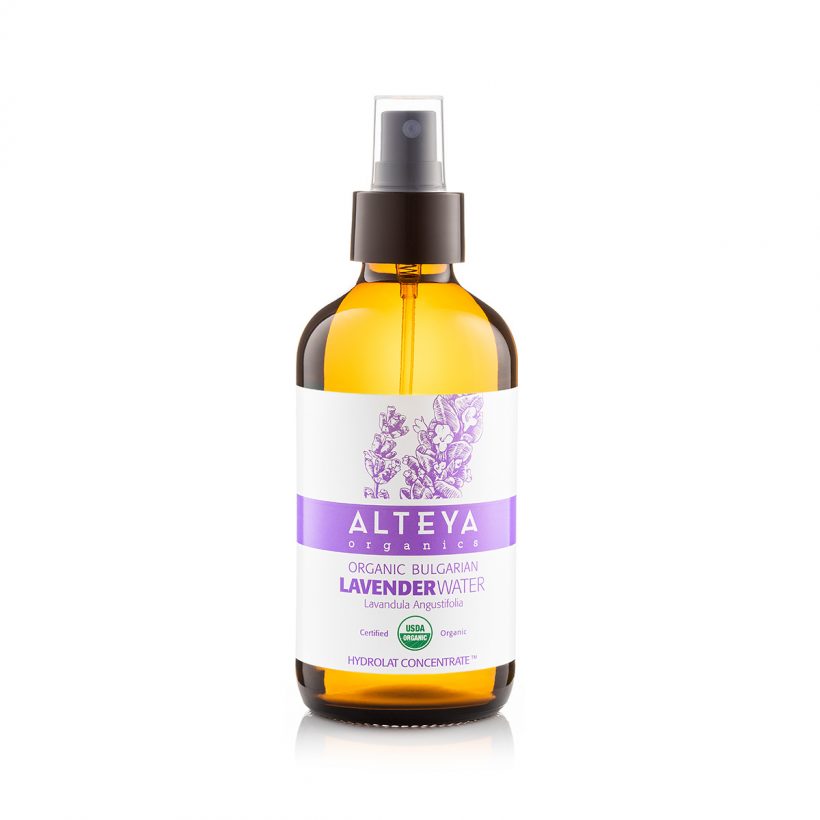
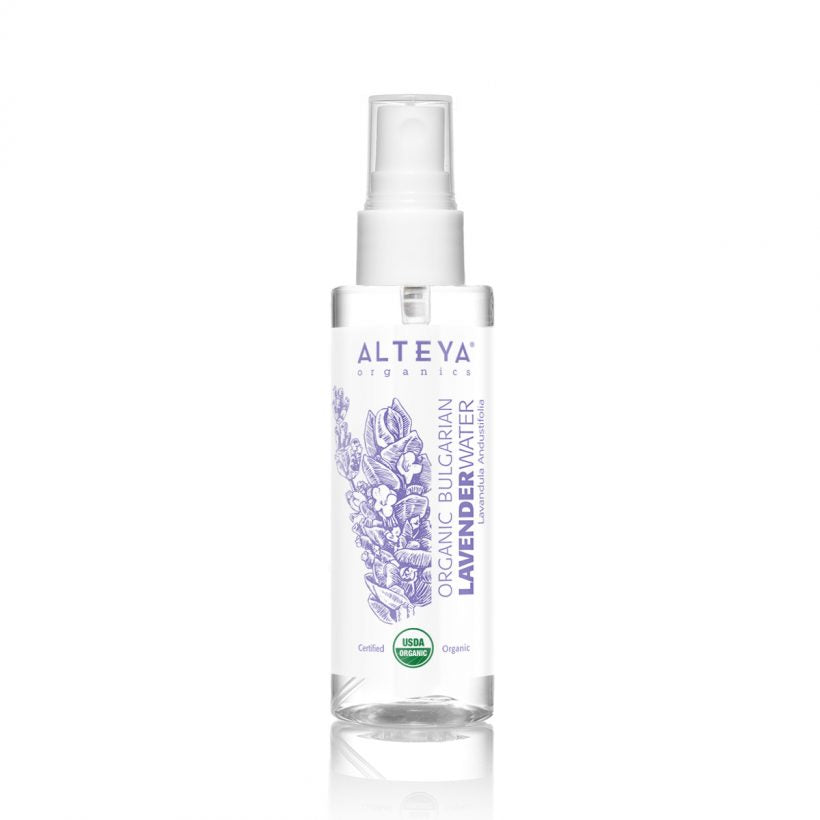
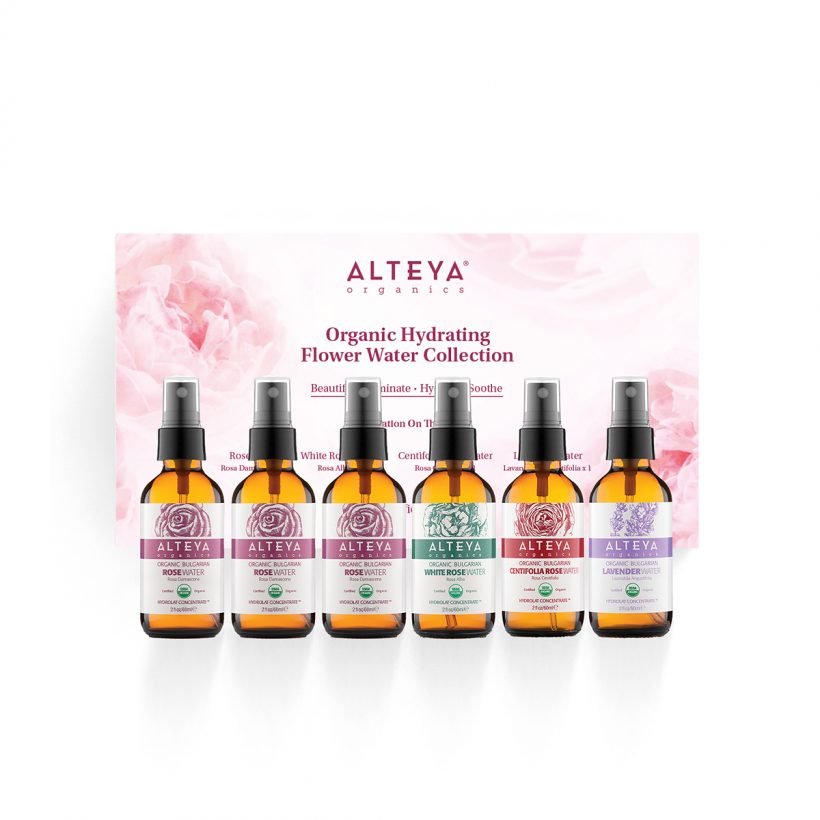
If you put some lavender water in a spray bottle, you will get an excellent face and body mist. You can use it throughout the day for freshening and additional hydration, whenever you have the feeling that the air is too dry. This kind of mist is also useful before and after shaving and epilation – in order to minimize skin irritation and inflammation.
Lavender water is a useful assistant when travelling. It can help soothe the skin in unforeseen circumstances like sunburn, unpleasant itching or insect bites. In combination with chamomile, the product can be used for very little kids and babies – for example to soothe diaper rash (2).
Other applications of lavender water
Lavandula Angustifolia hydrolate is a multi-functional product whose applications are much more varied than the popular use for skincare and hair care.
Aromatherapy
In aromatherapy lavender water is used to relieve stress, to soothe tension (6) and headache and to improve the quality of sleep. The soothing effect can be achieved in a number of different ways. Here are some examples:
● Pour a small quantity of lavender water directly into your aroma diffuser.
● Spray your pillow case with some lavender water before sleep.
● Prepare a poultice by pouring some lavender hydrolate onto a soft piece of cloth, to apply on your forehead, neck or shoulders

Body scenting
A lot of people who are fond of lavender aroma use that floral water as a perfume. It is also an excellent, safe option for young girls who want to have their own special fragrant presence.
Hair care
Another useful application of the product is in hair care. Lavender water can be used alone for scalp massage, which stimulates hair growth and improves hair strength. It is especially useful against dandruff, in which case lavender water can be added to hair shampoo to enrich it.
Air freshener at home or in the car
Due to its pleasant, soothing aroma, lavender water can be used as an air freshener at home, to create a cozy, relaxing atmosphere. Use it as a room spray or spray some on fresh laundry to give it a charming, natural scent. Carry a small spry bottle of lavender water in your handbag, to use it in your car to make it an oasis of peace and calm amid the surrounding traffic chaos around you.
Cooking
A lot of people consider lavender aroma to be more pleasant than its taste. In some traditional cuisines though, pure lavender water is used in pastry-making. For example, a traditional dessert in the small French village of Les Baux-de-Provence is lavender creme brulee.
Possible side effects and precaution
Despite the fact that lavender water is harmless for most people, it is always wise to do a sensitivity test before initial use. Apply a small quantity of lavender water on the inner side of your wrist and wait for 24 hours to check for any reaction.
People with very sensitive skin or those who are allergic to lavender should be very cautious. It is recommended to consult a specialist before using lavender water during pregnancy or when breastfeeding. Avoid contact with the eyes and do not apply on open wounds.
You need to be very careful if you have pets! Lavender water contains very low quantities of essential oils but some of the chemical compounds contained in it are harmful for cats and dogs since they do not have the necessary enzymes to break them. So, to avoid the risk of having lavender water swallowed by your pets, you would rather not spray it directly in your rooms but use an aroma diffuser.
How to choose what type of lavender water to buy and how to store it?
When choosing what kind of lavender water to buy – go for 100% pure products, without any preservatives added. Pay attention to the label – terms like “hydrosol”, “hydrolate” and “floral water” are synonyms and thus refer to the same type of product.
Organic lavender water is recommended because it is produced from plants grown without using pesticides or chemical fertilizers.
Keep lavender water in a cool, dark place and do not expose to direct sunlight.
The usual shelf-life after opening is 6-12 months depending on storage conditions. For specific information, always read the instructions of use on the bottle / package box.
Lavender water - routine steps
A lavender water routine starts with clean skin, careful application, and choosing the right moment in the routine. You can use it as a toner, mist, addition to hydrating care, or light hair spray, while always following the skin’s feel and the product instructions.
Cleanse the face with a gentle product to remove impurities, sebum, and traces of the urban environment. This allows lavender water to be applied to better-prepared skin and fit more naturally into the following steps. Avoid harsh rubbing, especially if the skin is sensitive.
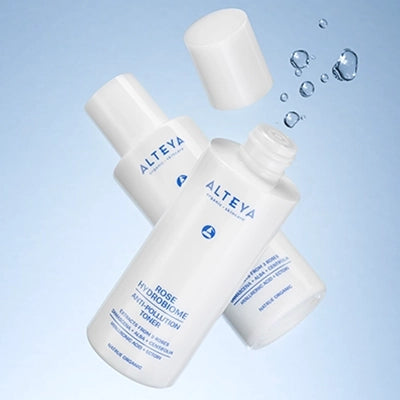
Alteya Organics Organic Prebiotic Face Cleanser Rose Hydrobiome is a suitable first step before floral water.
Apply lavender water after cleansing by spraying the face from a distance or using a cotton pad. This step refreshes the skin and creates a smooth transition to serum, cream, or plant oil. Let the product absorb naturally without rubbing.
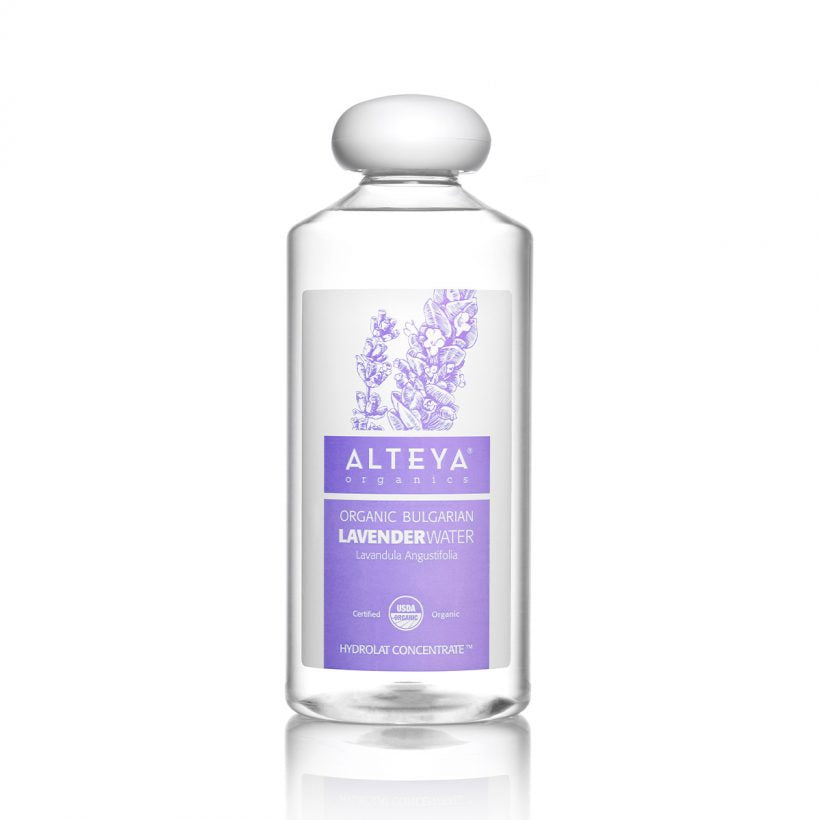
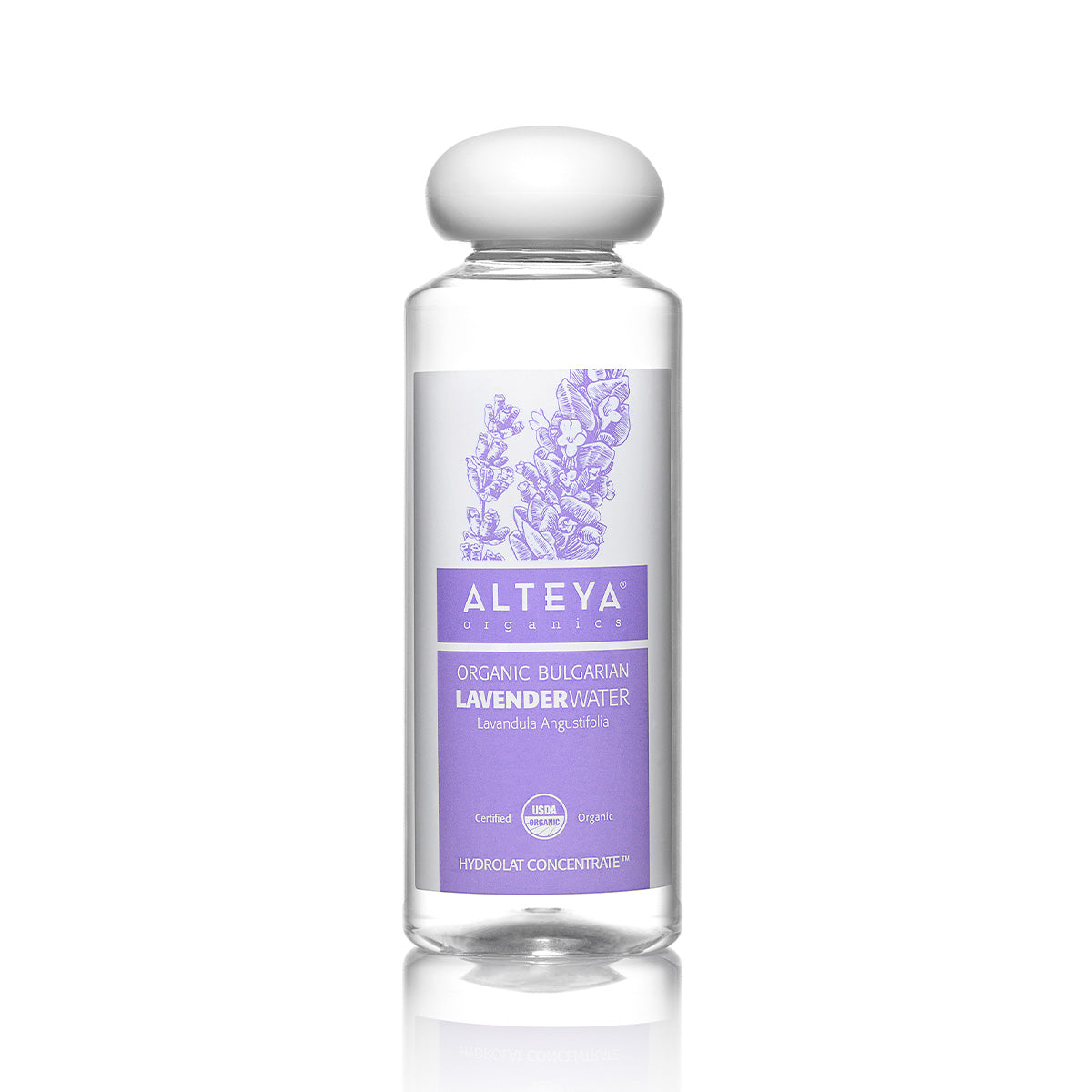
Alteya Organics Organic Lavender Water can be used as a gentle toner in the everyday routine.
After lavender water, apply a serum or cream according to the skin’s needs. When the face is slightly damp, the next product spreads more easily and the routine feels more complete. Choose a light formula in the morning and a richer texture at night if the skin needs it.
Alteya Organics Organic Hyaluronic Serum Rose Hydrobiome or a suitable cream can complement this step.
Use lavender water as a light mist whenever you need refreshment during the day. Spray the face, body, or hair from a suitable distance and let the fine mist dry on its own. This is a practical step for travel, the office, or after a shower.
Alteya Organics Organic Lavender Water is convenient as a multifunctional spray for face, body, and hair.
After each use, close the packaging well and store lavender water away from direct light, heat, and moisture. Check the expiration date and any changes in aroma, color, or texture. Proper storage helps preserve the product’s pleasant feel during use.
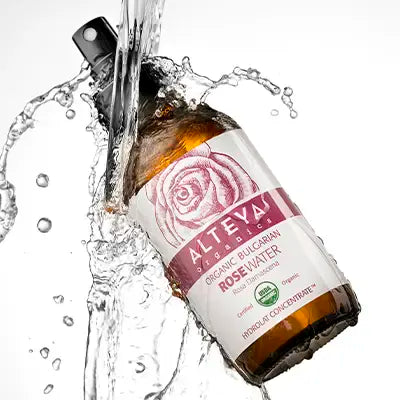
Store Alteya Organics floral waters according to the label instructions for the best user experience.

Frequently asked questions concerning lavender water
Alteya Organics’ philosophy reflects the understanding that everyday care can be simple, nature-inspired, and aligned with the skin’s individual needs. Lavender water fits naturally into this approach - as a floral water with a delicate aroma, lightweight texture, and versatile use in rituals for the face, body, hair, and sensory comfort.
Lavender water, also known as lavender hydrosol or hydrolat, is a floral water obtained through the steam distillation of lavender. It contains the plant’s water-soluble components and small amounts of aromatic compounds, giving it a light profile suitable for different cosmetic rituals.
Lavender water is produced through the steam distillation of lavender flowers and stems. During the process, steam passes through the plant material, then cools and condenses. This separates a floral water with a fine aroma and a characteristic botanical profile.
Lavender oil is a highly concentrated aromatic extract, while lavender water is the lighter water phase from distillation. It has a softer profile and can be applied directly to the skin when the product is intended for cosmetic use and used according to the instructions.
Lavender water is often included in routines for different skin types, including normal, combination, oily, or sensitive skin. The most important step is to introduce the product carefully and observe the skin’s individual response, especially during first use or when the skin is prone to sensitivity.
As a toner, lavender water can be applied after cleansing and before serum or cream. It refreshes the skin, supports a feeling of cleanliness, and creates a smooth transition to the next steps in the routine. It can be sprayed directly or applied with a cotton pad.
Lavender water can be used as a lightweight refreshing mist for the face and body during the day. It is suitable when the skin feels dry from the air, after travel, or as a delicate aromatic pause. It is best sprayed from a distance onto clean skin.
In hair care, lavender water can be used as a light spray for the scalp or lengths. It adds a fresh feel and a fine aroma without weighing the hair down. It can be used as a complementary step after washing or between washes, depending on personal preference.
Beyond skincare, lavender water can be used in sensory rituals, to refresh textiles, or as a delicate aromatic spray for personal use. When used outside a cosmetic routine, it is always best to follow the directions on the product label.
Before first use, it is good practice to perform a sensitivity test on a small area of skin. Avoid contact with the eyes and do not apply to irritated or broken skin. If you have a known allergy to lavender or strong sensitivity, use the product with extra care.
Choose lavender water with clear origin, suitable cosmetic purity, and usage instructions. Store the product away from direct light, heat, and moisture, and close the packaging well after each use. Watch for the expiration date and any changes in aroma, color, or texture.
Resources:
1. Bosson, L. (2019). Hydrosol Therapy: A Handbook for Aromatherapists and Other Practitioners. Singing Dragon, pp.107-109
2. Catty, S. (2001). Hydrosols: The Next Aromatherapy. Inner Traditions / Bear & Co, pp.103-105.
3. Mansour, B. a L. (2021b). Review on the medicinal properties of some aromatic hydrosols, ResearchGate [Preprint]. https://www.researchgate.net/publication/349589991_Review_on_the_medicinal_properties_of_some_aromatic_hydrosols.
4. Santos, É.R.Q.D. et al. (2021) Linalool as a therapeutic and Medicinal tool in depression treatment: a review, Current Neuropharmacology, 20(6), pp. 1073–1092. https://doi.org/10.2174/1570159x19666210920094504.
5. Shin, Y.K. and Seol, G.H. (2023) Effects of linalyl acetate on oxidative stress, inflammation and endothelial dysfunction: can linalyl acetate prevent mild cognitive impairment?, Frontiers in Pharmacology, 14. https://doi.org/10.3389/fphar.2023.1233977.
6. Al-Mansour, B. (2021) Review on the medicinal properties of some aromatic hydrosols, Zeugma Biological Science, 2(1), pp. 4–5. https://dergipark.org.tr/en/download/article-file/1550443.


Autor: Alteya Organics
At Altеya Organics, we combine the art of organic rose cultivation and distillation with skincare innovations. Thanks to our research and development team, we are proud to offer professional, nature-inspired skincare.
Read more
In the world of organic cosmetics and holistic skincare carrier oils have been occupying ever more important positions. These golden elixirs, extracted from oilseed plants, have become an integral ...
Read more
A Revolution in Cosmetics: How Bakuchiol Has Changed Skincare?
Researchers are constantly making progress in their understanding of the mechanisms that can help us retain the youthful and healthy appearance of our skin for as long as possible. At the same time...
Read more
Leave a comment
This site is protected by hCaptcha and the hCaptcha Privacy Policy and Terms of Service apply.