









What are Omega-3, Omega-6 and Omega-9 Fatty Acids Good For?
In recent years, the topic of fatty acids and their impact on health has become increasingly popular. The Omega fatty acid group plays an essential role in supporting vital bodily functions, especially related to heart, brain and skin health.
But where can we obtain them from, how much should we aim to take and how can we avoid deficiency? In this article we are going to look at the most important facts you need to know about these fatty acids and provide answers to some controversial questions.
What are Omega-3, Omega-6 and Omega-9 Fatty Acids?
Fatty acids are basic components of lipids but Omega-3, Omega-6 and Omega-9 fatty acids have a different chemical structure and have a different role in the body.
● Omega-3 fatty acids are essential polyunsaturated fatty acids that support brain function, vision and heart health, and help reduce inflammation. Main representatives are DHA, EPA and ALA.
● Omega-6 are also polyunsaturated fatty acids, responsible for cell growth. The linoleic acid (LA) is the main representative of the group, which transforms into arachidonic acid (AA).
Excessive intake may trigger inflammatory processes, while maintaining a proper balance between omega-3 and omega-6 is a key factor for achieving optimal bodily function.
● Omega-9 fatty acids are monounsaturated fatty acids which are naturally synthesized in the body. It is considered that their presence in the diet is capable of improving insulin sensitivity.

Why Do our Bodies Need Omega Fatty Acids?
Fatty acids are vital to the body: they form cell membranes, regulate inflammatory processes and support the nervous system. Omega fatty acid deficiency or imbalance may lead to health problems. Let’s have a closer look at how important they are for our bodies:
1. Cell membranes
Omega-3 DHA and EPA help maintain the flexibility and permeability of cell membranes. This is important for maintaining proper communication between cells and proper functioning of the nervous system.
2. Cardiovascular system
Omega-3 fatty acids lower triglycerides, help regulate blood pressure and support the balance between LDL and HDL cholesterol, thereby reducing the risk of atherosclerosis.
3. Brain function
DHA is a major component of the brain and retina structure. A deficiency may contribute to cognitive impairment and depression. Adequate omega-3 intake, on the other hand, may reduce the risk of neurodegenerative diseases.
4. Anti-inflammatory properties
Omega-3 fatty acids reduce inflammation in the body3 and thus, the risk of arthritis, diabetes and heart disease.
5. Healthy skin and hair
DHA and EPA support skin hydration and elasticity, while omega-9 fatty acids strengthen the hair and help reduce dryness and breakage.
6. Metabolism and weight
Omega fatty acids facilitate fat oxidation, help regulate appetite and improve insulin sensitivity.2
Omega-3 Fatty Acids: Why Are They So Important?
Omega-3 fatty acids belong to the group of polyunsaturated fatty acids, which means that their chemical structure contains more than one double bond. Due to the fact that the human body cannot synthesise them, they must be obtained from food.
Types of Omega-3 Fatty Acids
There are several types of Omega-3 fatty acids. The three main forms are:
1. Alpha-linolenic acid (ALA)
This plant-based form of omega-3 is found in foods such as flaxseed, chia seeds, walnuts and hemp oil. Approximately 5% of it may be converted into eicosapentaenoic acid and around 1% - into docosahexaenoic acid.
2. Eicosapentaenoic acid (EPA)
This is a long-chain omega-3 fatty acid, which has a strong anti-inflammatory effect. It plays an important role in maintaining cardiovascular health by lowering triglyceride levels and helping regulate blood pressure. It may also have a positive effect on medical conditions such as arthritis and autoimmune disorders.
3. Docosahexaenoic acid (DHA)
DHA is a structural component of the brain, retina and nervous system. Approximately 40% of the polyunsaturated fatty acids in the cerebral cortex and 60% of those in the retina are composed of DHA, although the exact values vary according to diet. DHA is particularly important for pregnant women and infants. A deficiency may contribute to cognitive impairment, memory loss and an increased risk of neurodegenerative diseases.



DESCRIPTION
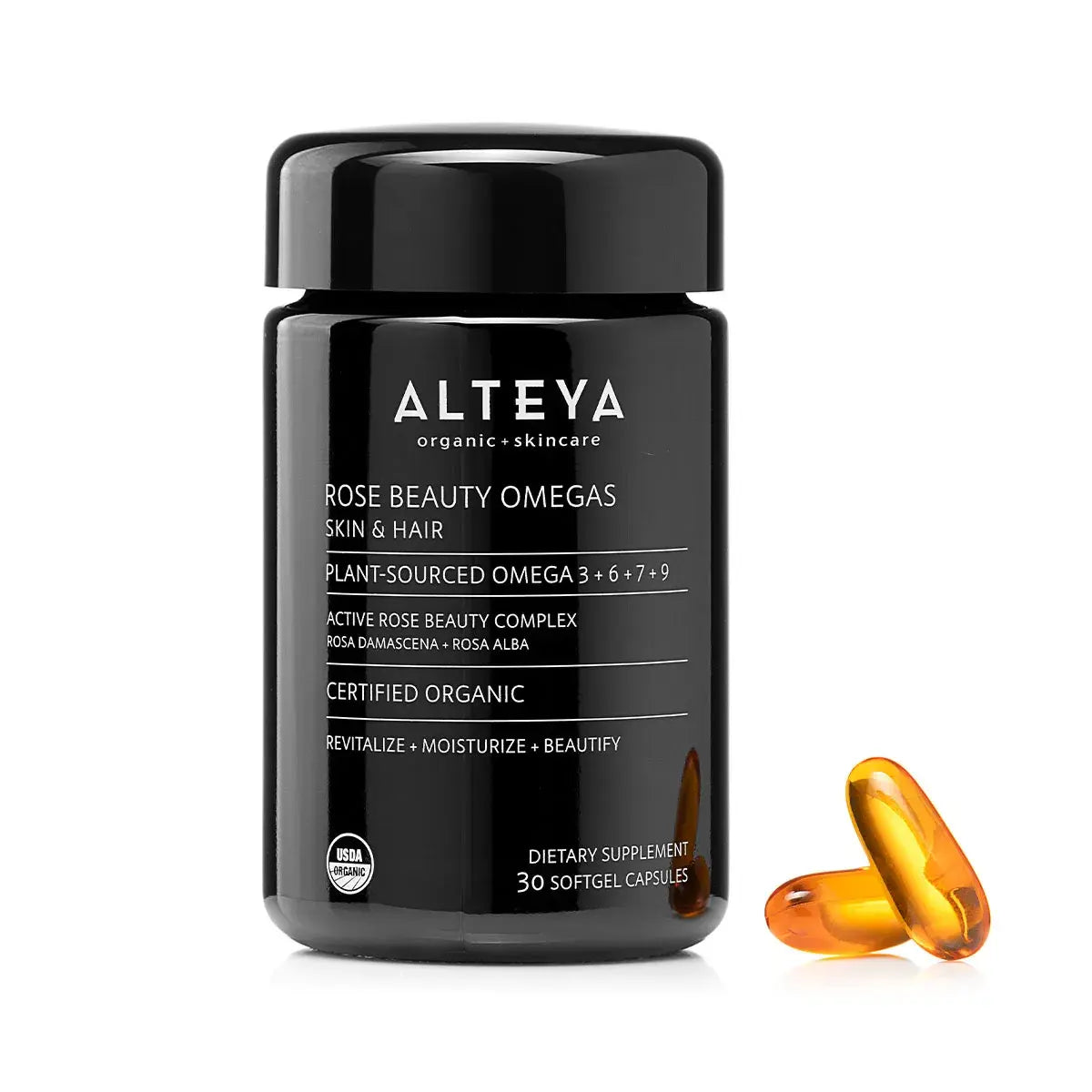
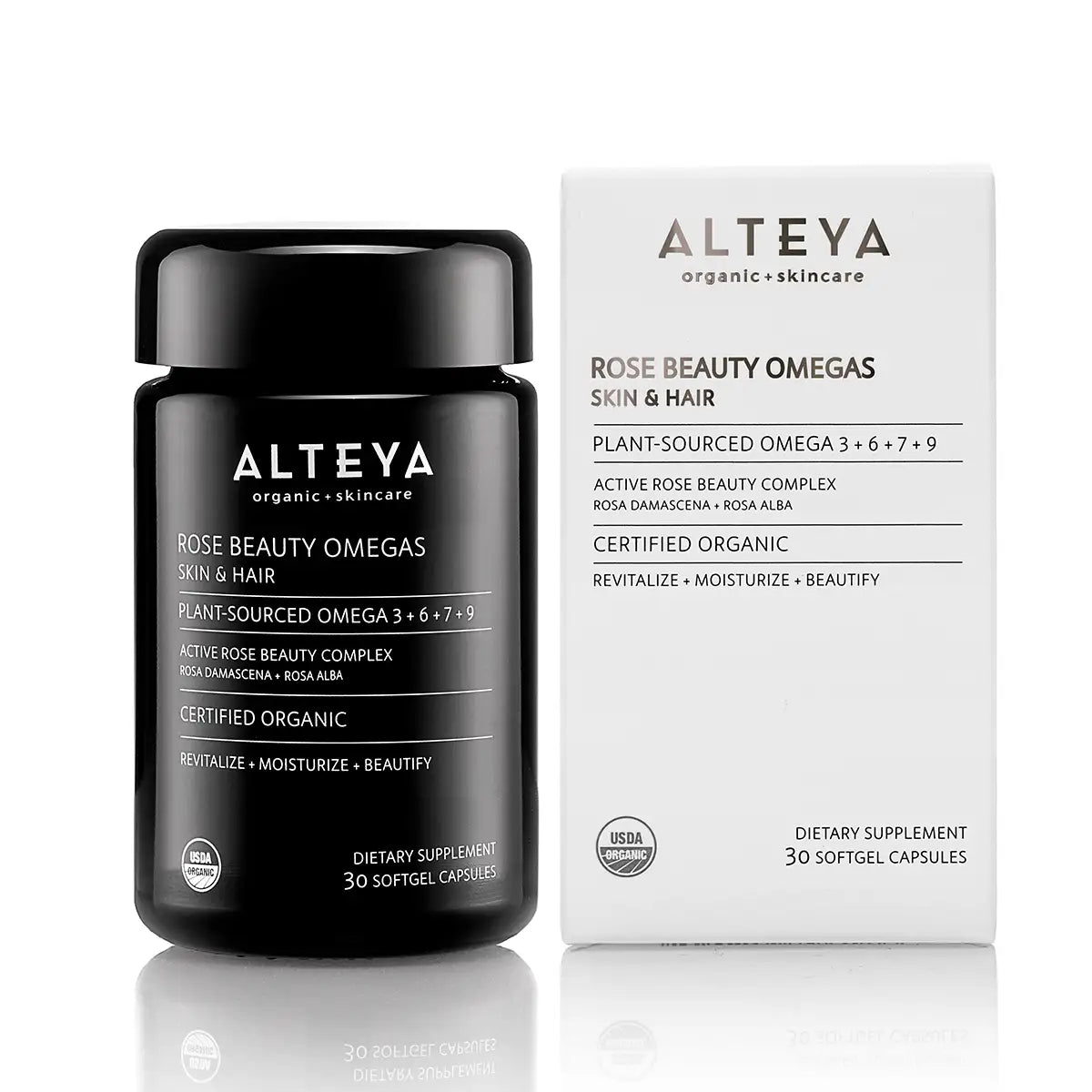
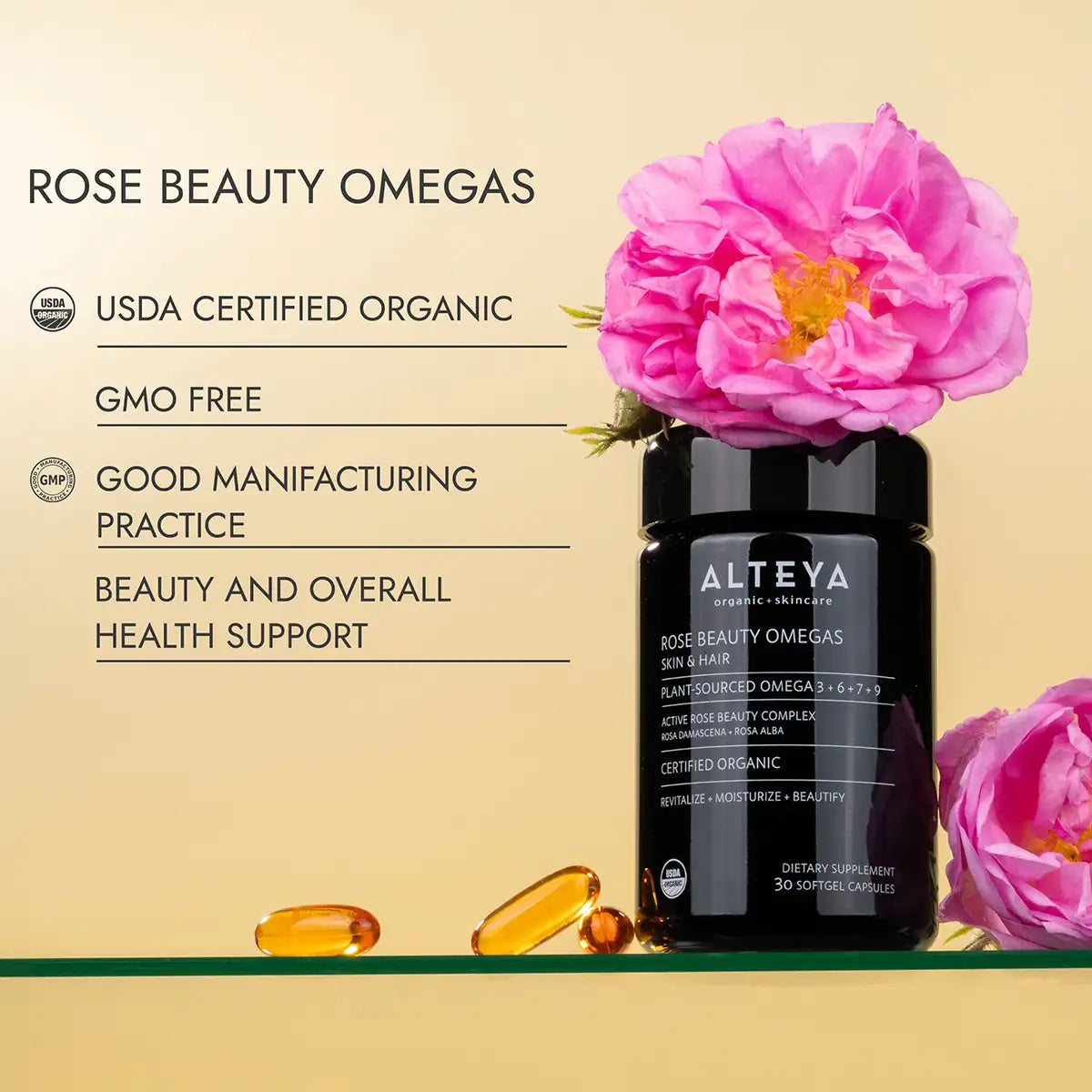
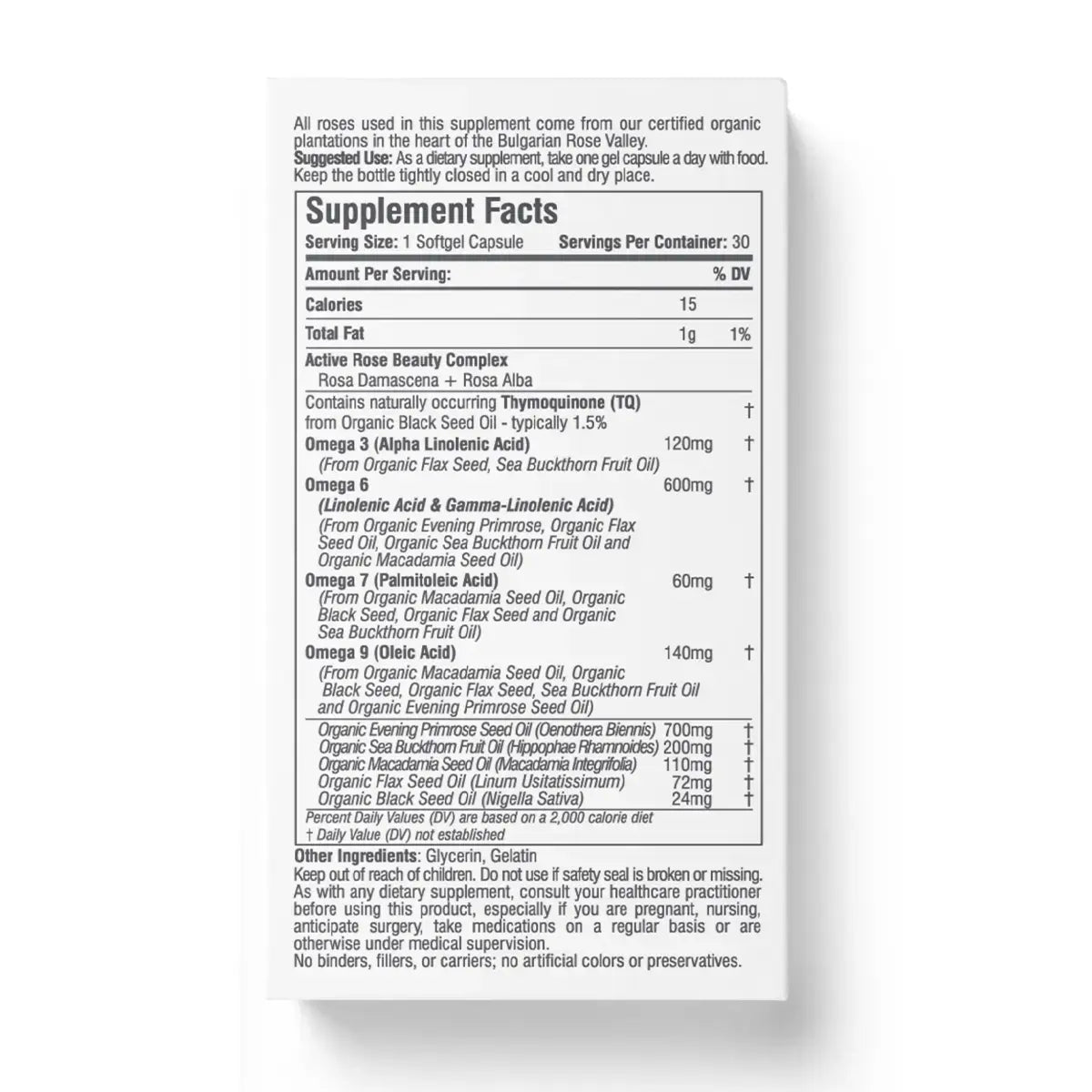
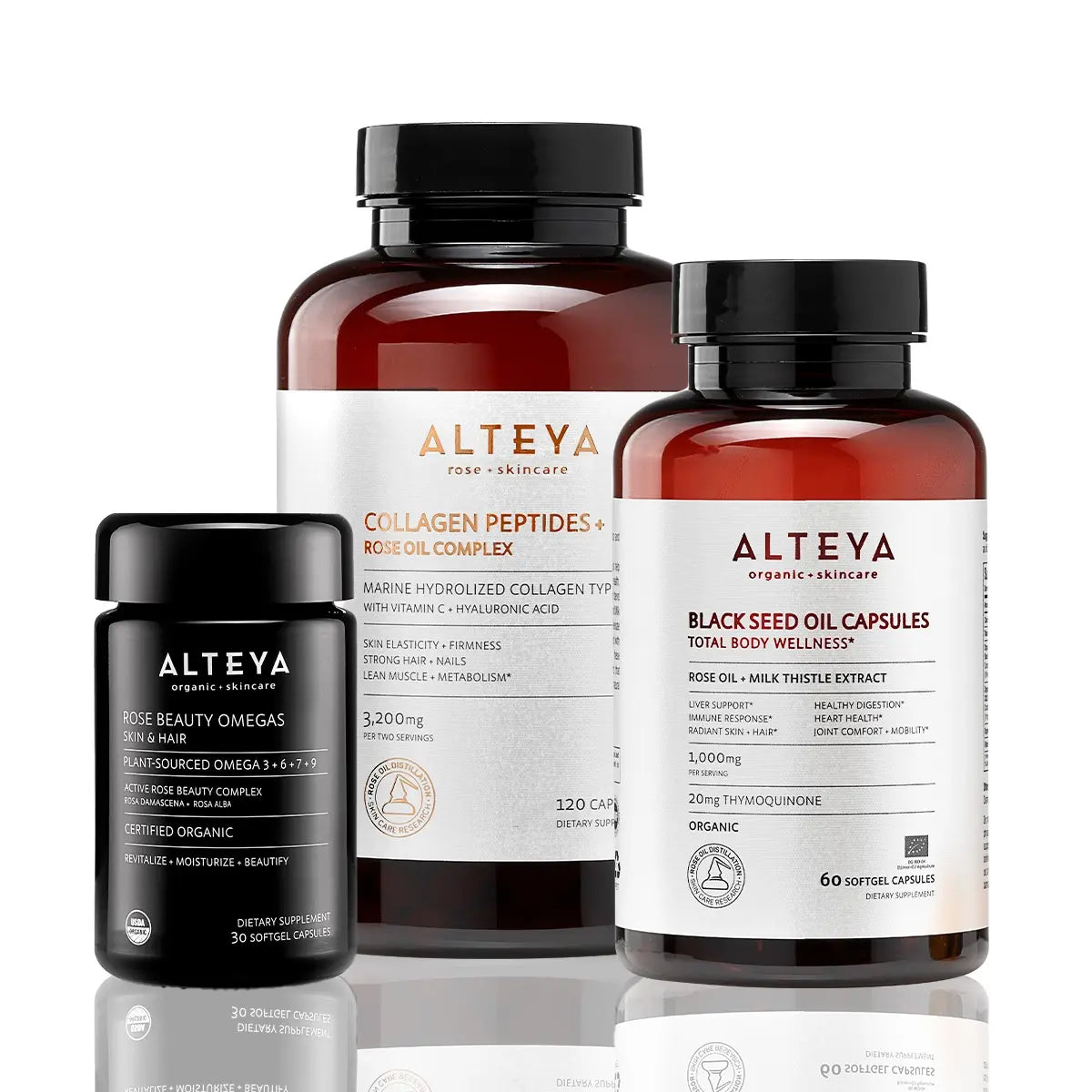
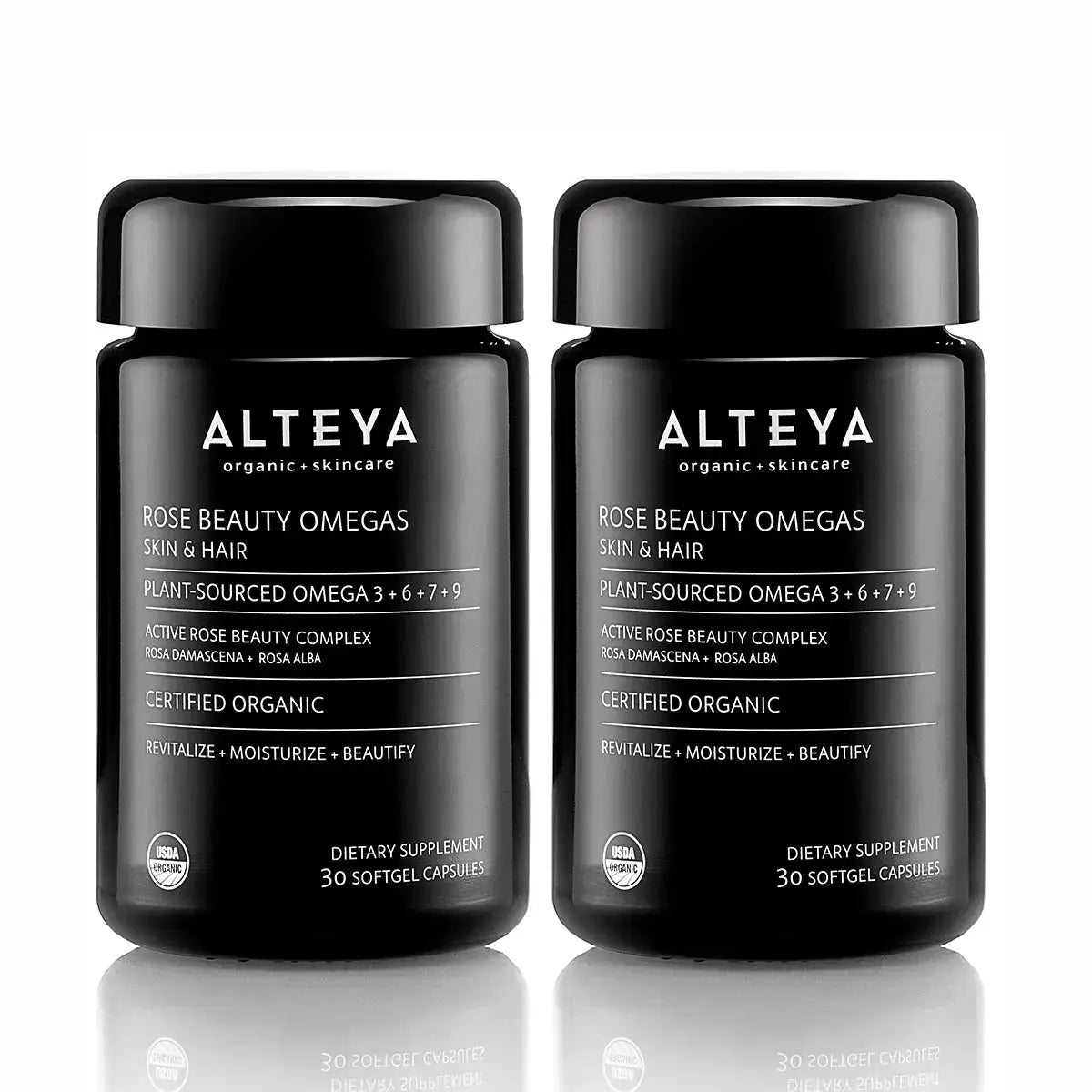
This certified organic dietary formula nourishes the body with essential fatty acids and antioxidants, helping to keep the skin and hair moisturized and vibrant. Specifically formulated with organic plant-based oils to supply the optimal ratio of omegas and Active Rose Beaty Complex to fights the damaging effects of free radicals.
MAIN BENEFITS
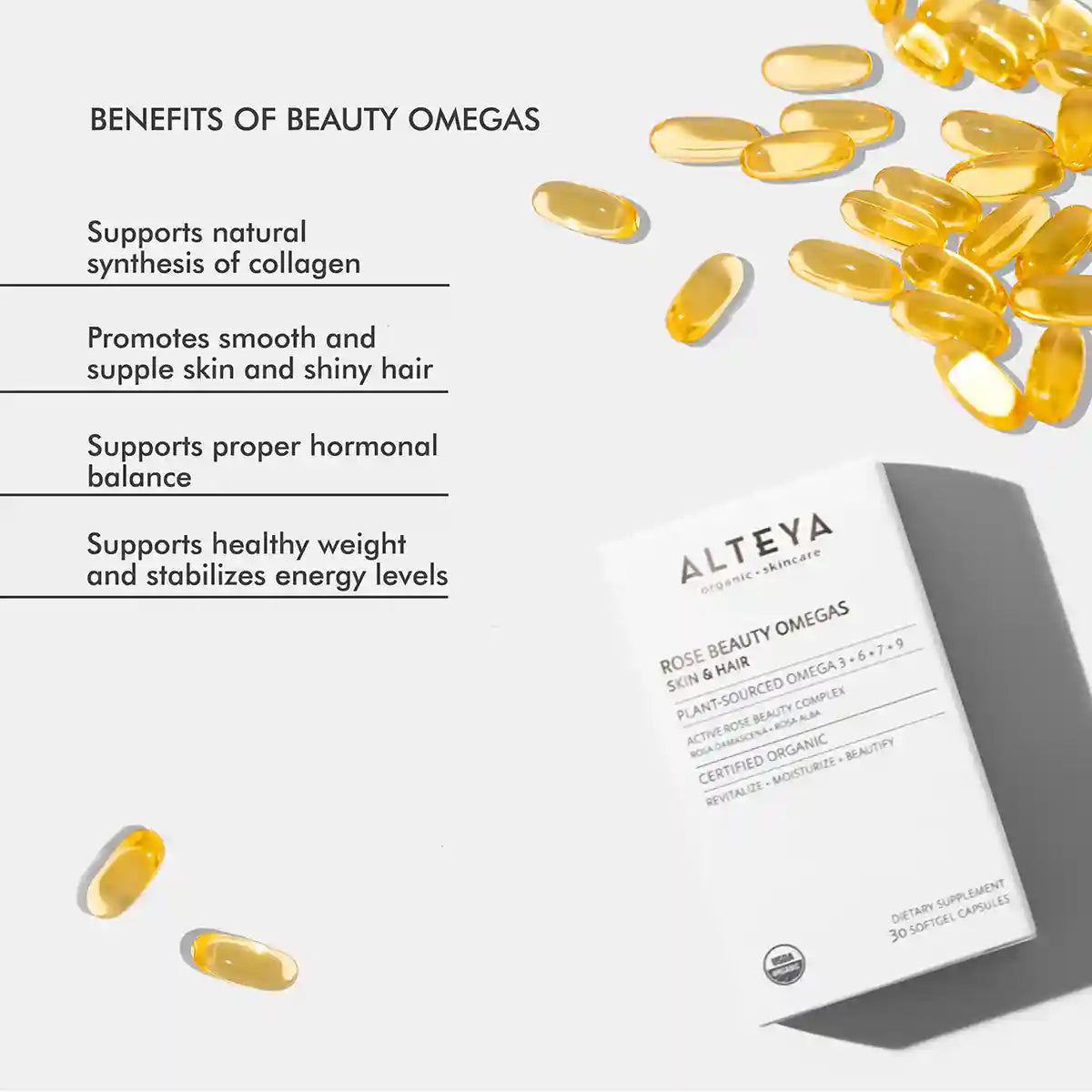
✓ Encourages the body's natural collagen production*
✓ Helps maintain skin’s natural elasticity and vitality*
✓ Contributes to a clearer, more balanced complexion*
✓ Aims to enhance skin smoothness and hair shine*
✓ Aids in maintaining moisture balance and cellular function*
✓ Assists with soothing the appearance of irritated or sensitive skin*
✓ Helps support hormonal harmony*
✓ Contributes to balanced energy levels and overall well-being*
*Food supplements should not be used as a substitute for a varied and balanced diet and a healthy lifestyle. This product is not intended to diagnose, treat, cure, or prevent any disease.
KEY ACTIVES
PLANT-BASED OMEGA 3, 6, 7, and 9
Derived from organic flax seed, sea buckthorn fruit, evening primrose, black seed, and macadamia oils. Omega 3 reduces fine lines and promotes a natural glow, while Omega 6 strengthens the skin barrier and soothes irritation. Omega 7 supports collagen production and protects against damage, and Omega 9 combats dryness, nourishing skin, hair, and nails.
ACTIVE ROSE BEAUTY COMPLEX
Rich in polyphenols, flavonoids, ascorbic acid, gallic acid, and quercetin, which work together to support skin barrier function and promote a more youthful appearance.
SUGGESTED USE
As a dietary supplement, take one gel capsule a day with food.
Keep the jar tightly closed in a cool and dry place.
INGREDIENTS
Active Rose Beauty Complex (Rosa Damascena + Rosa Alba), Organic Evening Primrose Seed Oil (Oenothera Biennis), Organic Sea Buckthorn Fruit Oil (Hippophae Rhamnoides), Organic Macadamia Seed Oil (Macadamia Integrifolia), Organic Flax Seed Oil (Linum Usitatissimum), Organic Black Seed Oil (Nigella Sativa), Glycerin, Gelatin*
*animal-derived gelatin (porcine source)
Benefits of Omega-3 Fatty Acids
1. Improved cardiovascular health
Omega-3 fatty acids reduce the risk of cardiovascular diseases by lowering triglyceride levels, helping regulate blood pressure and preventing the formation of atherosclerotic plaques.
2. Anti-inflammatory action
DHA and EPA are known to help reduce chronic inflammation in the body. This is particularly relevant for people with autoimmune conditions such as rheumatoid arthritis, lupus and multiple sclerosis.
3. Support for brain function and mental health
DHA is vital for brain development and function. Research has shown that higher DHA levels improve memory, concentration and cognitive functions. Omega-3 fatty acids may also help reduce symptoms of anxiety.3
4. Improved vision
Since DHA is an important structural component of the retina, a deficiency may contribute to macular degeneration, a leading cause of blindness in older adults.
5. Support during pregnancy and infant development
Pregnant women have higher DHA requirements because it is essential for the development of the foetal nervous system. Adequate DHA intake during pregnancy plays a role in placenta formation, supports the child’s cognitive development and contributes to vision development.1

6. Weight and metabolism regulation
Omega-3 fatty acids support fat oxidation and improve insulin sensitivity. This may be relevant for people with metabolic syndrome or insulin resistance.
7. Skin and hair health
Omega-3 fatty acids reduce skin inflammation, which may make them helpful in treating conditions like acne, eczema and psoriasis. They also help maintain good skin hydration and help prevent moisture loss.4
8. Improved sleep
Insufficient DHA intake has been associated with low levels of melatonin, the hormone that regulates sleep. Omega-3 consumption may therefore improve sleep quality and reduce the risk of insomnia.
Omega-3 Deficiency
Omega-3 deficiency may lead to dry skin, depression and chronic inflammation. An imbalance in relation to Omega-6 may increase the risk of heart disease.
How Can We Obtain Omega-3 Fatty Acids?
Omega-3 fatty acids are essential fatty acids that can only be obtained through food or dietary supplements. Various food groups contain omega-3 and can provide the amounts required to support optimal health.
Fish and Seafood: Preferred Sources of Omega-3
Seafood is an excellent source of omega-3 fatty acids.
● Salmon – one of the best options and a significant source of EPA and DHA. It is also rich in protein and Vitamin D.
● Mackerel – has a high omega-3 content and it generally comes at a more affordable price.
● Herring – a traditional type of fish in many European countries which provides a balanced amount of omega-3 fatty acids.
● Sardines – the small fish that provide not only EPA and DHA but also calcium, as they are commonly consumed with the bones.
● Fish oil – a concentrated source of omega-3 that is often used as a dietary supplement.
Plant Sources of Omega-3
For people who do not consume fish or seafood, plant sources of ALA may be the primary way to obtain Omega-3.
1. Flaxseed and flaxseed oil
Flaxseed is one of the best plant sources of ALA. Flaxseed oil contains even more concentrated amounts and can be added to salads. It is important not to heat it, as high temperatures damage Omega-3 fatty acids.
2. Chia seeds
Chia is rich in omega-3, fibre and antioxidants. The seeds can be added to smoothies, yoghurt and porridge.
3. Walnuts
Walnuts contain significant amounts of ALA and are a good choice for people seeking to increase their intake of plant-based omega-3.
4. Hemp seeds
Hemp seeds contain a balanced amount of Omega-3 and Omega-6, making them particularly useful.
5. Rapeseed oil
Although it is not as rich in Omega-3, rapeseed oil contains more ALA than many other vegetable oils.
6. Marine algae
Algae are among the few plant-based sources of DHA, which makes them an excellent choise for vegans, vegetarians and people with seafood allergies.
Omega-3 Dietary Supplements
When your diet does not provide enough Omega-3 fatty acids, dietary supplements may be a useful option. The most popular ones include:
● Fish oil – a concentrated source of EPA and DHA, available in forms such as capsules, liquids and enriched foods.
● Krill oil – obtained from small crustaceans and considered to have better bioavailability than fish oil.
● Algae oil – a fully plant-based source of DHA suitable for vegans and vegetarians.
● ALA supplements – for example, capsules containing plant oils rich in omega-3.
What Quantity of Omega-3 Should We Take Daily?
Recommended daily omega-3 intake varies according to age, gender and health status.
● For adults, 250–500 mg of EPA and DHA per day is recommended for optimal health.
● During pregnancy, daily requirements are higher: at least 300 mg of DHA.
● For children, the recommended intake starts at 100 mg of DHA and gradually increases.
● People with high triglyceride levels or cardiovascular disease may need a higher daily intake of up to 2,000–3,000 mg of EPA and DHA.
Excessive omega-3 intake from supplements may increase the risk of bleeding. People taking anticoagulant medication should therefore consult a specialist.
Organic Dietary Supplements
Omega-6 Fatty Acids: Beneficial or Harmful?
Omega-6 fatty acids are essential to the body and participate in numerous physiological processes, including cell growth, immune response and regulation of inflammation. Their main representative is linoleic acid (LA), which the body converts into arachidonic acid (AA), but other forms also exist.
Research suggests that gamma-linolenic acid (GLA), contained in evening primrose oil, may relieve symptoms of inflammation.5 Another omega-6 fatty acid, conjugated linoleic acid (CLA), can support body fat reduction, which has made it a possible option in weight management.6
Omega-6 fatty acids often predominate in modern diets because of the high consumption of vegetable oils such as soybean, sunflower and corn oil. Although Omega-6 is essential, its ratio to Omega-3 may reach 15:1 or even 20:1, which may contribute to chronic inflammation and health problems. Specialists therefore recommend carefully balancing Omega fatty acids in our diet.
How Can We Maintain a Proper Balance Between Omega-3 and Omega-6?
The ideal Omega-3 to Omega-6 ratio remains a matter of debate, but most specialists recommend a ratio of approximately 1:4.
To achieve a better balance people should:
● Increase the intake of Omega-3-rich foods such as oily fish, flaxseed, chia seeds and walnuts.
● Reduce the consumption of refined vegetable oils.
● Use healthier fats such as avocado oil, coconut oil or olive oil.
● Include suitable dietary supplements in case our diet does not provide enough Omega-3.
Correcting an existing imbalance in polyunsaturated fatty acids may reduce inflammatory processes, improve cardiovascular health and support brain function.
Omega-9 Fatty Acids: What Is Their Role?
Omega-9 fatty acids are monounsaturated fats that the body can produce, unlike Omega-3 and Omega-6. The best-known among them is oleic acid, which is found in olive oil, avocados, almonds and macadamia nuts.
They support cardiovascular health by lowering “bad” LDL cholesterol and increasing “good” HDL cholesterol. They may also improve insulin sensitivity, which can be beneficial for people with metabolic syndrome or Type 2 diabetes.
Although Omega-9 are not essential, including them in the diet through olive oil and other healthy fats can provide health benefits.
How Does the Intake of Omega-3, Omega-6 and Omega-9 Affect Brain Function and Heart Health?
Fatty acids play a key role in our brain health and proper functioning of the cardiovascular system.
Omega-3 fatty acids support memory, concentration and mental health because DHA is a major structural component of brain tissue, while EPA reduces inflammation and symptoms of depression. They also lower triglyceride count, help regulate blood pressure and reduce the risk of heart attack and stroke.
A balanced intake of Omega-6 fatty acids is necessary to support brain function.
Omega-9 fatty acids support heart health by helping regulate cholesterol and blood glucose, which may be useful for people with diabetes and hypertension.
What Is the Recommended Daily Dose for Optimal Health?
The optimal dose of Omega fatty acids depends on age, gender and health status.
For adults, the recommended daily intake is 250–500 mg of EPA and DHA. During pregnancy, requirements are higher, with at least 300 mg of DHA daily. People at high risk of cardiovascular disease may need to take up to 2,000–3,000 mg.
Omega-6 should be consumed in moderation. A low Omega-6 to Omega-3 ratio is recommended.
There is no specific intake recommendation for Omega-9, but healthy fats such as olive oil and avocado oil should be a regular part of our diet.
Frequently Asked Questions About Omega Fatty Acids
Omega-3, Omega-6 and Omega-9 do not in themselves cause weight gain, and some may help regulate body weight. However, excessive fat consumption can increase total calorie intake.
Omega-3 can be taken over prolonged periods as part of a balanced diet, but the appropriate duration depends on individual needs and professional medical advice.
Omega-3 supports heart health and brain function and helps reduce inflammation. However, very high doses may thin the blood and affect blood clotting.
Possible symptoms include dry skin, fatigue, poor concentration, depressive states and frequent inflammation.
Yes, Omega-3 may help reduce inflammatory processes in the body, which can be relevant in autoimmune thyroid disorders such as Hashimoto’s thyroiditis.
During pregnancy, an increased DHA intake of 300 mg per day is recommended because DHA supports development of the foetal brain and nervous system.
Omega-3 increases “good” HDL cholesterol and reduces triglycerides, thereby improving the blood lipid profile.
An appropriate balance of Omega fatty acids, combined with a nutritious diet and an active lifestyle, may significantly improve health, energy levels and cognitive abilities.
Resources:
1. Basak, S., Mallick, R., & Duttaroy, A. K. (2020). Maternal docosahexaenoic acid status during pregnancy and its impact on infant neurodevelopment. Nutrients, 12(12), 3615.https://doi.org/10.3390/nu12123615.
2. Finucane, O.M. et al. (2015) “Monounsaturated fatty acid-enriched high-fat diets impede adipose NLRP3 inflammasome-mediated IL-1β secretion and insulin resistance despite obesity,” Diabetes, 64(6), pp. 2116–2128. Available at:https://doi.org/10.2337/db14-1098.
3. Kiecolt-Glaser, J. K., Belury, M. A., Andridge, R., Malarkey, W. B., & Glaser, R. (2011). Omega-3 supplementation lowers inflammation and anxiety in medical students: a randomized controlled trial. Brain, Behavior, and Immunity, 25(8), 1725–1734.https://doi.org/10.1016/j.bbi.2011.07.229.
4. Neukam, K., De Spirt, S., Stahl, W., Bejot, M., Maurette, J.-M., Tronnier, H., & Heinrich, U. (2011). Supplementation of flaxseed oil diminishes skin sensitivity and improves skin barrier function and condition. Skin Pharmacology and Physiology, 24(2), 67–74.https://doi.org/10.1159/0003214425. Sergeant, S., Rahbar, E. and Chilton, F.H. (2016) “Gamma-linolenic acid, Dihommo-gamma linolenic, Eicosanoids and Inflammatory Processes,” European journal of pharmacology, 785, pp. 77–86. Available at:https://doi.org/10.1016/j.ejphar.2016.04.020.
6. Whigham, L.D., Watras, A.C. and Schoeller, D.A. (2007) “Efficacy of conjugated linoleic acid for reducing fat mass: a meta-analysis in humans,” The American journal of clinical nutrition, 85(5), pp. 1203–1211. Available at:https://doi.org/10.1093/ajcn/85.5.1203.


Autor: Alteya Organics
At Altеya Organics, we combine the art of organic rose cultivation and distillation with skincare innovations. Thanks to our research and development team, we are proud to offer professional, nature-inspired skincare.
Read more

Dark Circles Under the Eyes - Causes and Solutions
Dark circles under the eyes are a common condition that affects both men and women. They can be a sign of stress, fatigue, lack of sleep, or other deeper health-related causes. Although under-eye s...
Read more
Black seed (Nigella sativa) extract has been known for its exceptional properties since ancient times. Referred to as “Pharaohs’ gold”, this oil was used by the early Egyptian rulers for maintainin...
Read more
Leave a comment
This site is protected by hCaptcha and the hCaptcha Privacy Policy and Terms of Service apply.