




Steam distillation – the art of capturing the essence of nature
In the world of organic cosmetics there is a process which stands out for its elegance and efficiency and it is steam distillation. This ancient method, which has been improved through the centuries, allows for us to extract the purest essence from plants, while preserving their unique properties. Today we will delve into the mystic world of steam distillation and reveal why it keeps being highly valued in the modern cosmetics industry.
What is steam distillation?
In the field of cosmetics and aromatherapy, this process is used for extracting essential oils and other bioactive compounds from plants by using water and steam. The method is based on the principle that different substances have different temperatures of boiling. It allows for useful ingredients to be extracted without being heated excessively since too high temperatures can change some of their properties.
When does distillation date back to?
Distillation is not a modern-day discovery – its origin can be traces back to ancient civilizations. As far back as in 2600 BC, ancient Egyptians used to put aromatic substances and water in clay pots, covered by woolen cloths. Then the pots were heated over an open fire, allowing the woolen cloths to soak the aromatic vapours during the process of boiling. The so produced plant extracts were then squeezed into another vessel, where the water separated from the oils.
This very primitive method was used for producing essential oils and waters from myrtle, cypress, cedar, etc. These valuable products had a key role to play in different religious ceremonies and ancient rites.
In the course of time the distillation technology was improved. In the 11th century, the Arab physician Avicenna changed the shape of the distillation vessel and, in that way, increased the efficiency of the process. It is widely accepted that he was the very person that invented the method of steam cooling by a serpentine put in cold water, which is still used to date.

The process of steam distillation
Before unveiling some of the secrets of steam distillation, let us look at the different stages of the process, step by step. It all starts with well selected and carefully prepared plant material, which is put in a special vessel called “a still”. In the same vessel or in a separate one, water is heated to the point of boiling so that it starts producing steam. The hot steam passes through the plant material extracting essential oils and other aromatic substances. The mixture of steam and essential oils is then cooled in the condenser, where it turns into a liquid again. The so produces distillate is then collected in a special device, called “a Florentine flask”, where the essential oils separate from the water because of their different densities.
Types of distillation
There are several types of distillation which can be used for the production of essential oils. Each of them has their specific characteristics, which make them more or less appropriate for different plants. In the process of hydro distillation, the plants are fully soaked in water, which is then heated until it starts boiling and evaporating. In the process of steam distillation, the steam is usually produced in a different vessel and then introduced into the still, where the plant material is, at specific low or high pressure.
Hydro-steam distillation is a hybrid method in which the plant material is partially soaked in water (Resource 1). This method is especially appropriate for delicate plants like roses. Each of these methods has their advantages and they are chosen depending on the kind of plants being processed and the desired final product.
Application of steam distillation in cosmetics
In perfumery and cosmetics, steam distillation plays a key role for the production of two types of exceptionally valuable products – essential oils and hydrolates. Essential oils are highly concentrated plant extracts which are widely used in aromatherapy and skincare. They have powerful medicinal properties, which make them an invaluable ingredient of numerous cosmetic formulas.
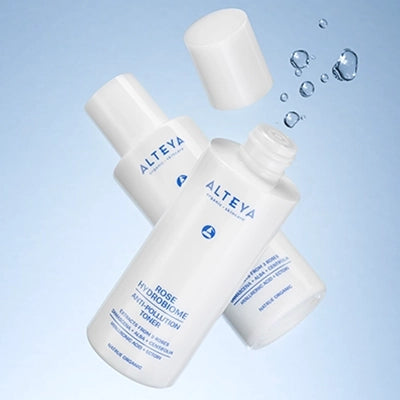
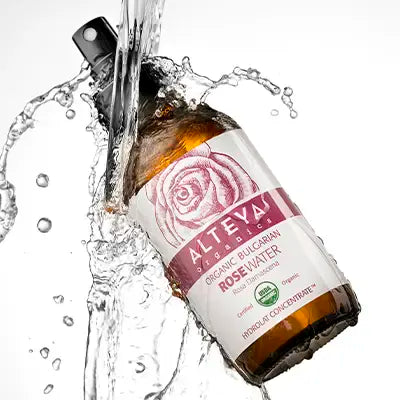
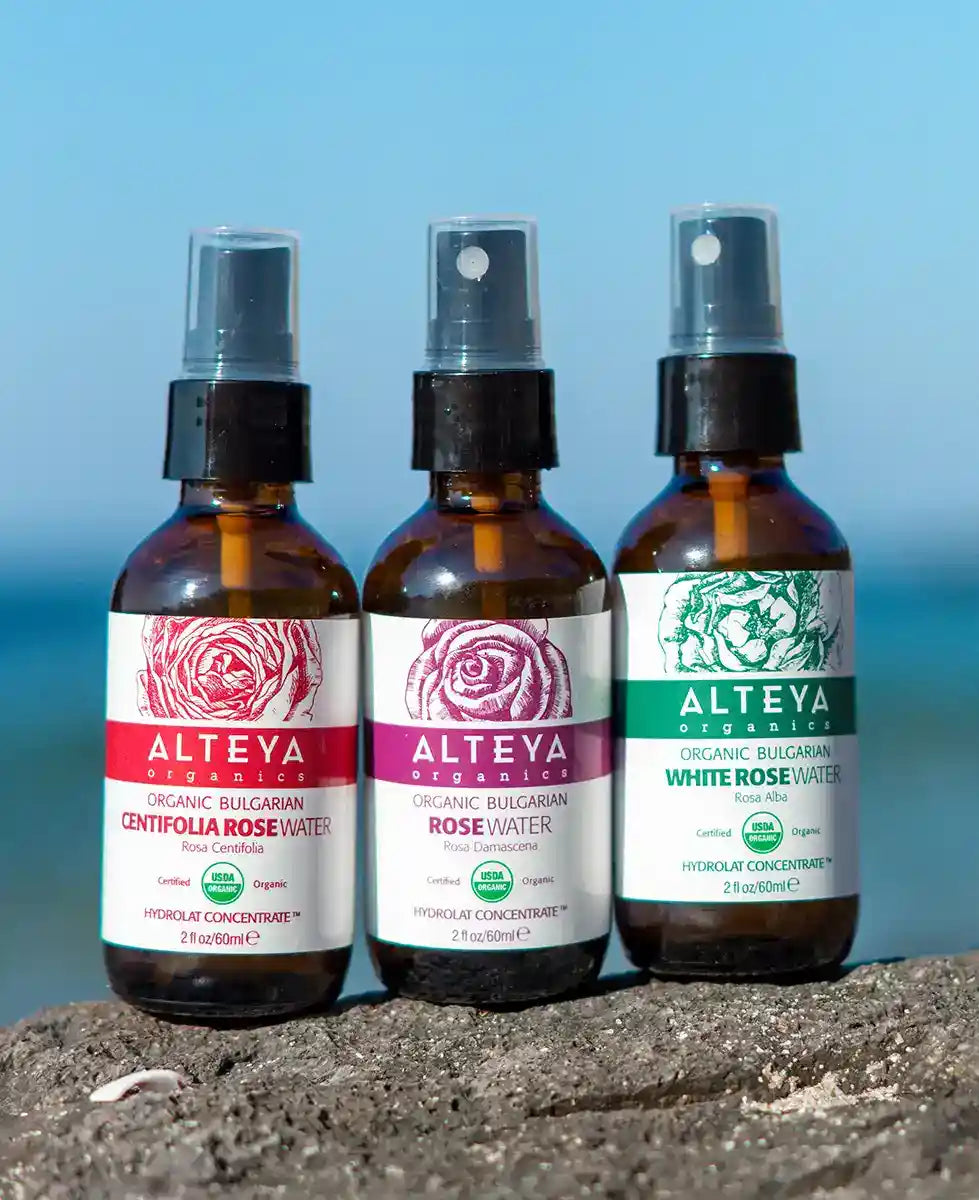
A hydrolates, also known as floral water is in fact the water used in the heating phase of the process of distillation. Hydrolates contain beneficial water-soluble plant components and also a small percentage of essential oils, which gives them their tender nature and makes them appropriate for direct application on the skin in the form of freshening and toning cosmetic products.

Advantages of steam distillation
One of the reasons that makes steam distillation so highly valued in the cosmetics industry is the purity of the end-product. This method allows for all useful plant substances to be extracted without using any chemical solvents. It means that the products received through stem distillation are 100% natural and do not contain any traces of synthetic residues.
Another substantial advantage of steam distillation is that the natural properties of plants are fully preserved. Since the process takes place at a relatively low temperature, the chemical compounds which become unstable at higher temperatures are well preserved. In this way the end-products are guaranteed to contain all valuable components that make the plants used so beneficial for our skin.
What plants can be distilled?
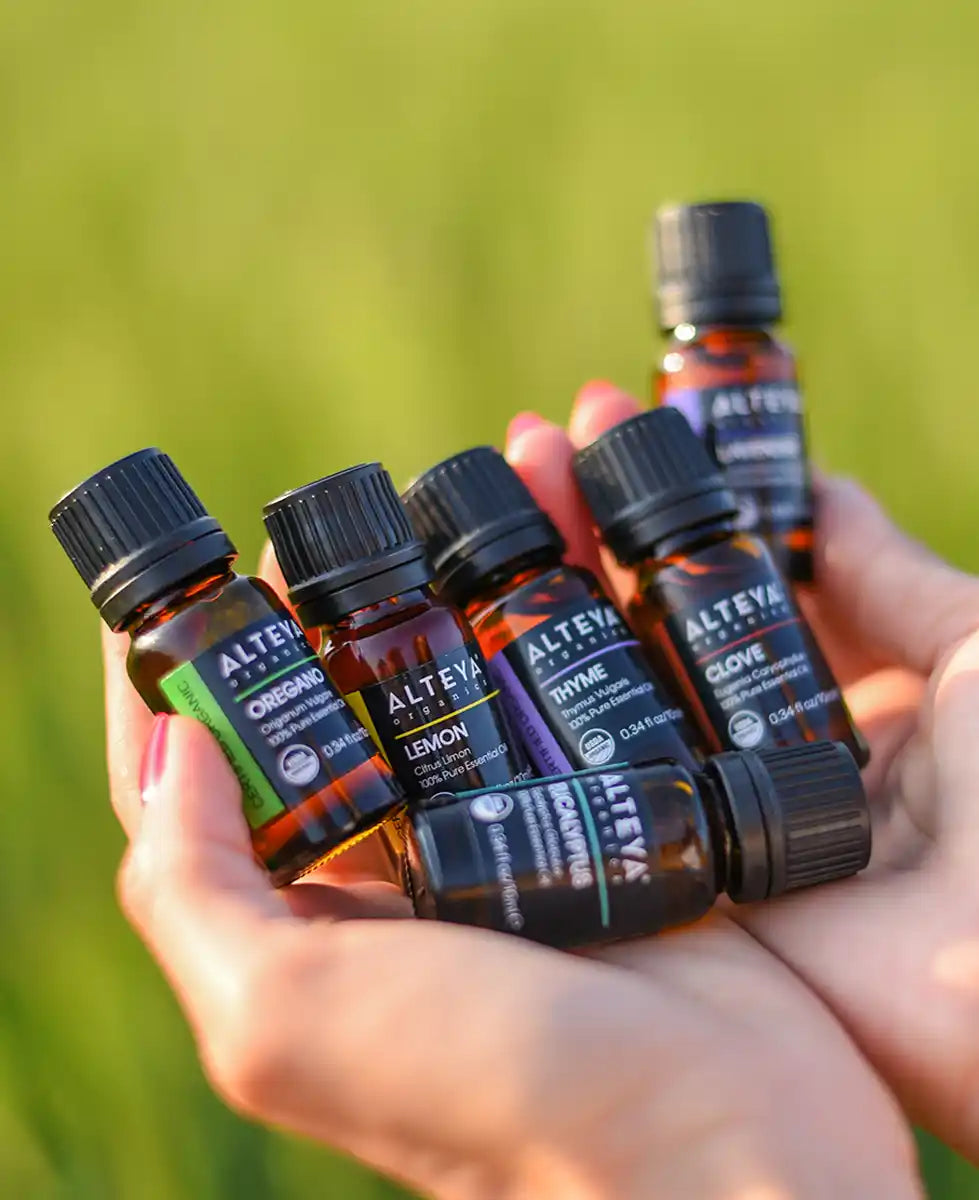
A wide range of plant can be put through the process of distillation so that different essential oils and hydrolates can be produced. The plant material can consist of different parts of plants, including petals, leaves, roots, fruits and even the bark of some trees (Resource 2). The most popular among these are rose, lavender, mint, chamomile, sandal wood, black pepper, etc. Each plant’s extract has its signature aroma and specific properties.
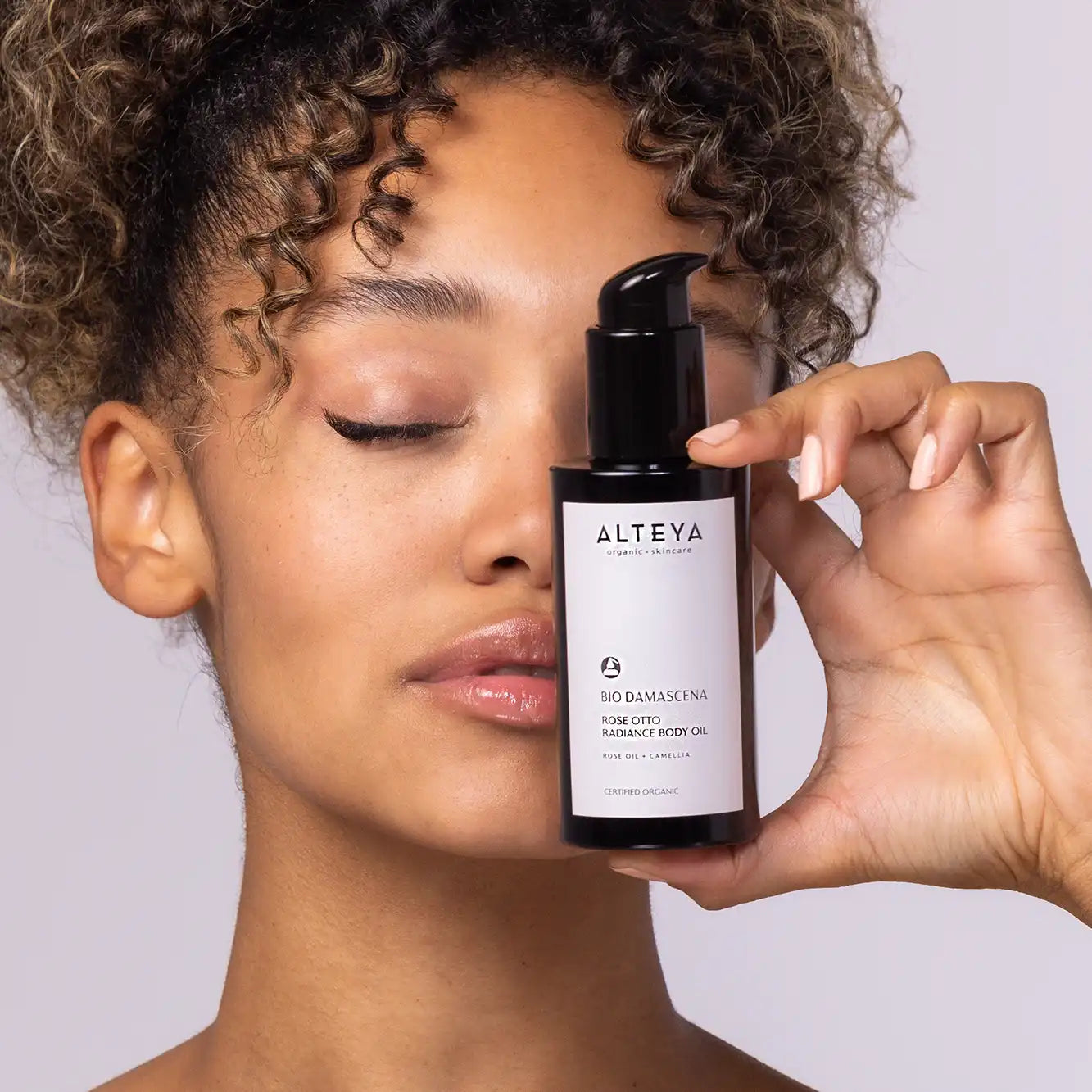
Rose oil for example is famous for its anti-inflammatory and regeneration properties, while lavender is valuable for its soothing effect.
It is important to note that the different plants require a specific approach to the process of distillation. Some plants, like the rose for example, need to be very tentatively treated because of the delicate nature of the petals. Others, like eucalyptus leaves, are more durable and allow for more intensive treatment. The quality of distillation would depend on the refined skill of adapting the process to the specifics of each plant.
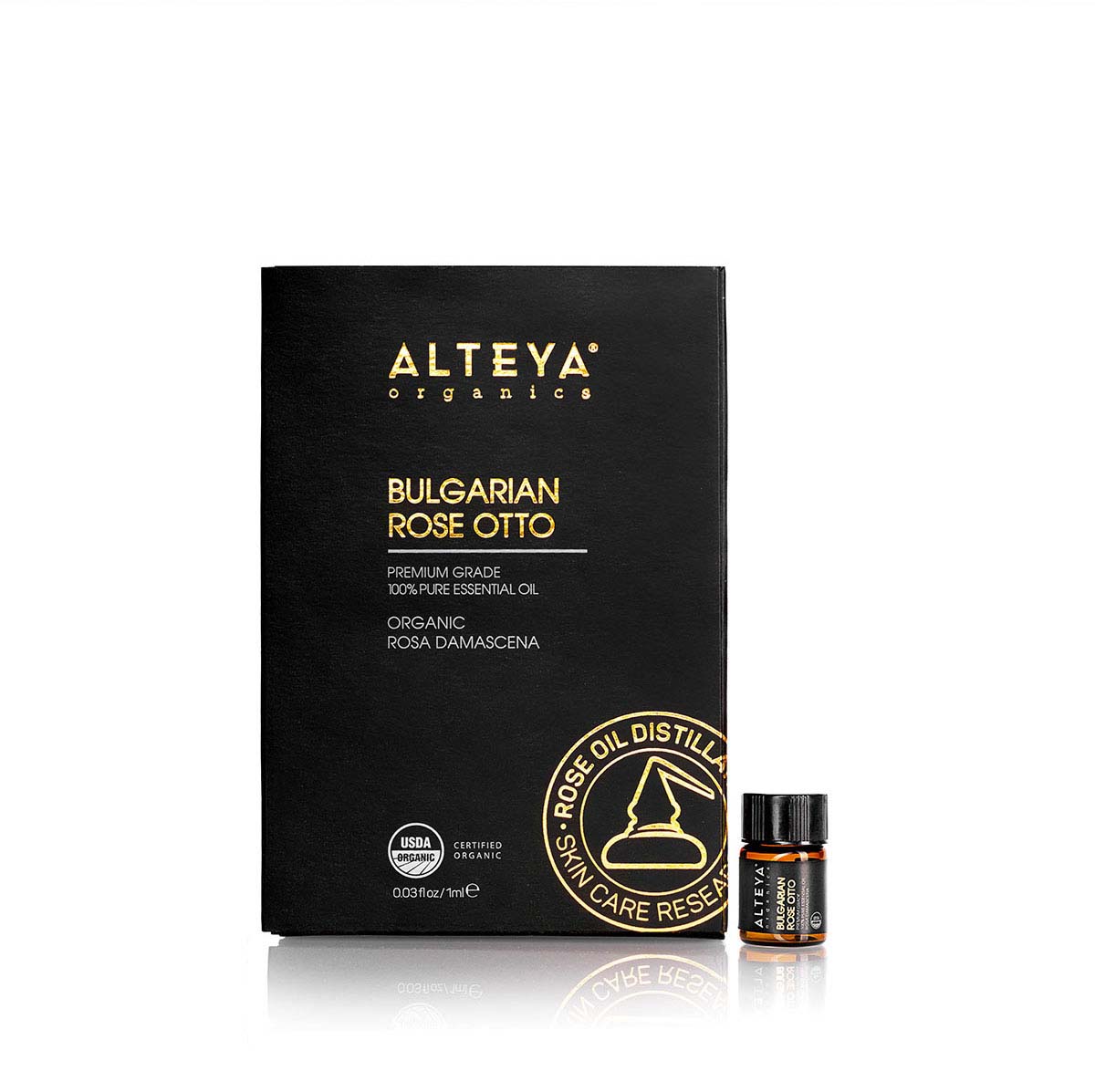
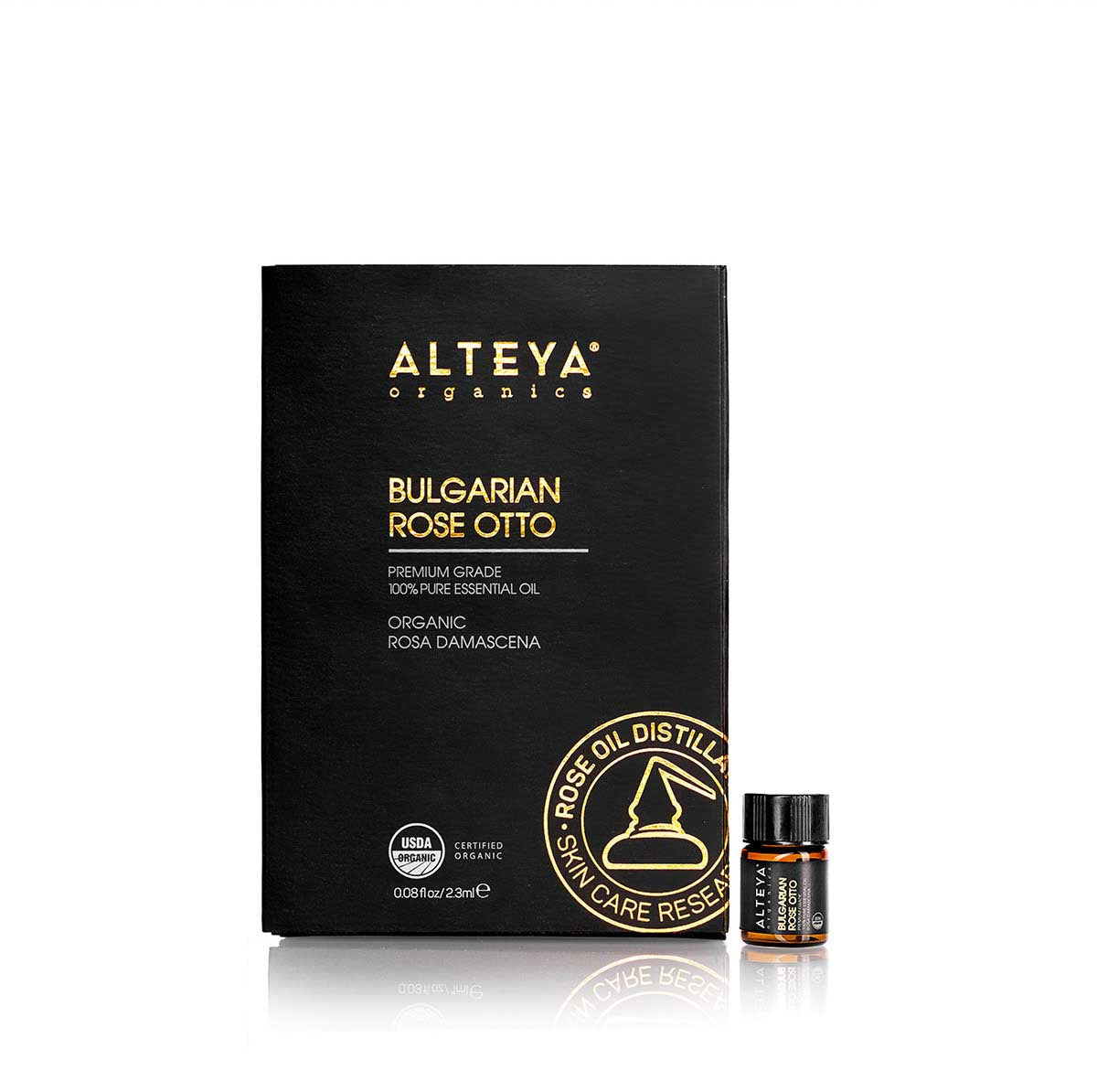
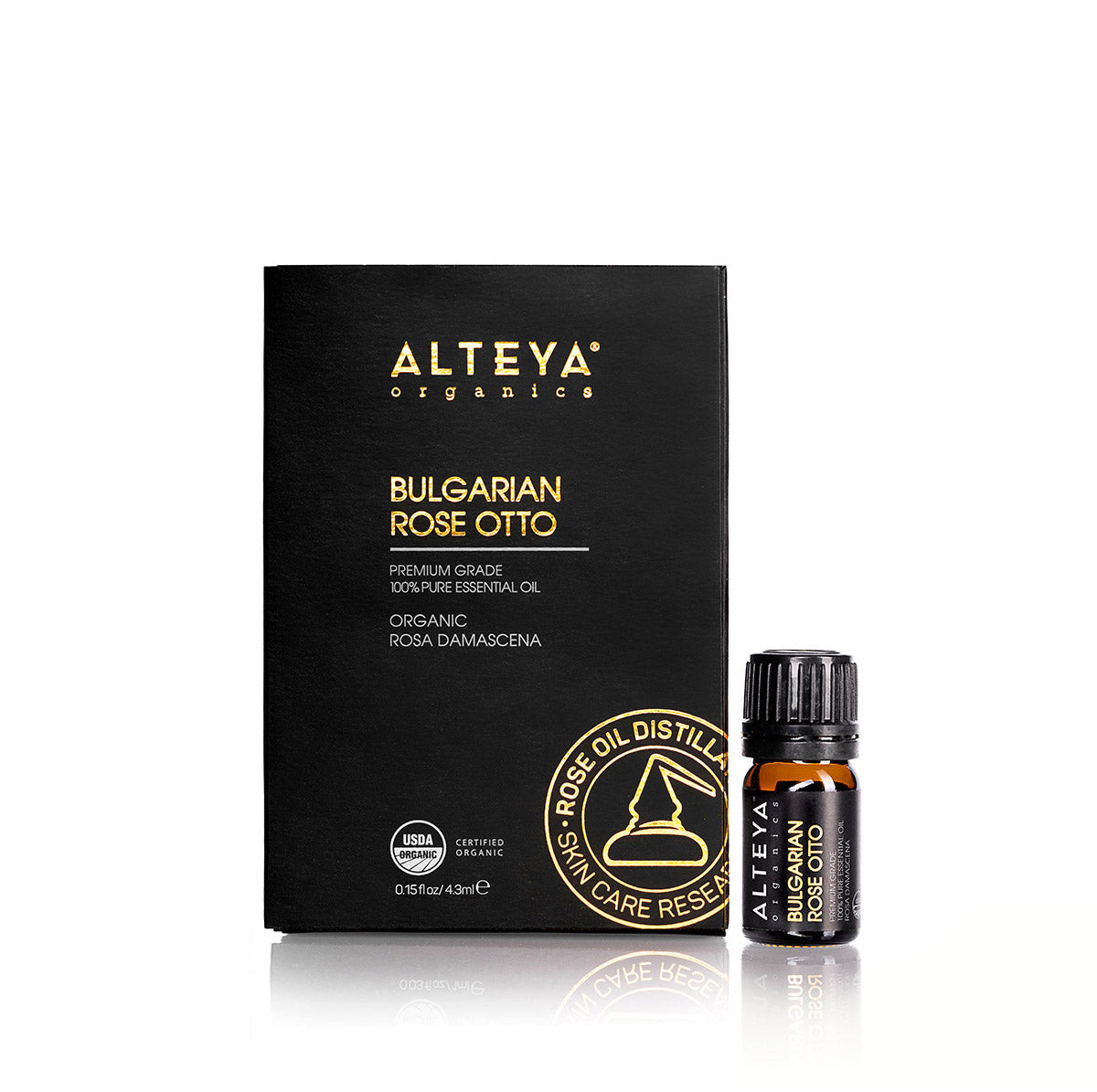
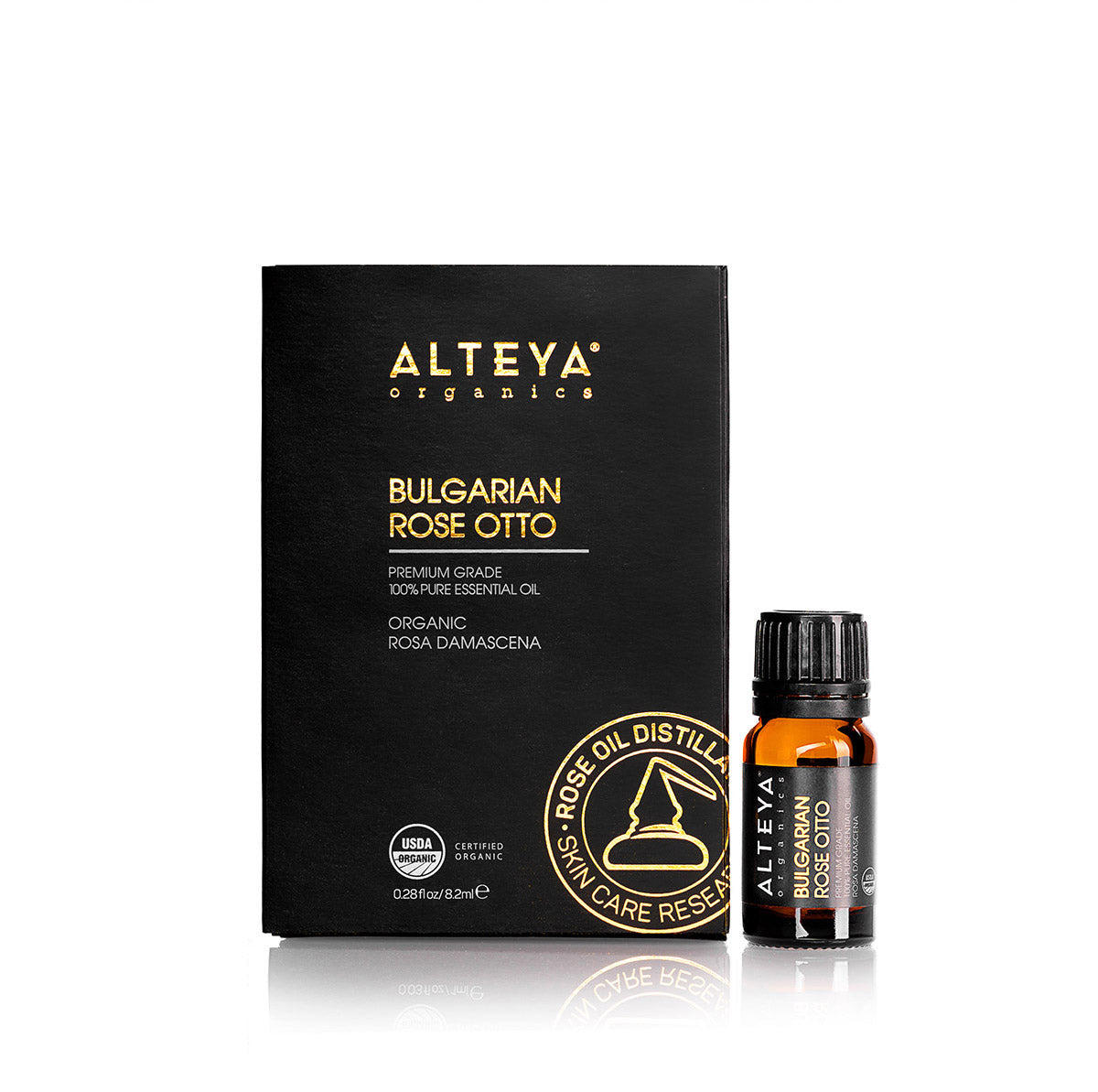
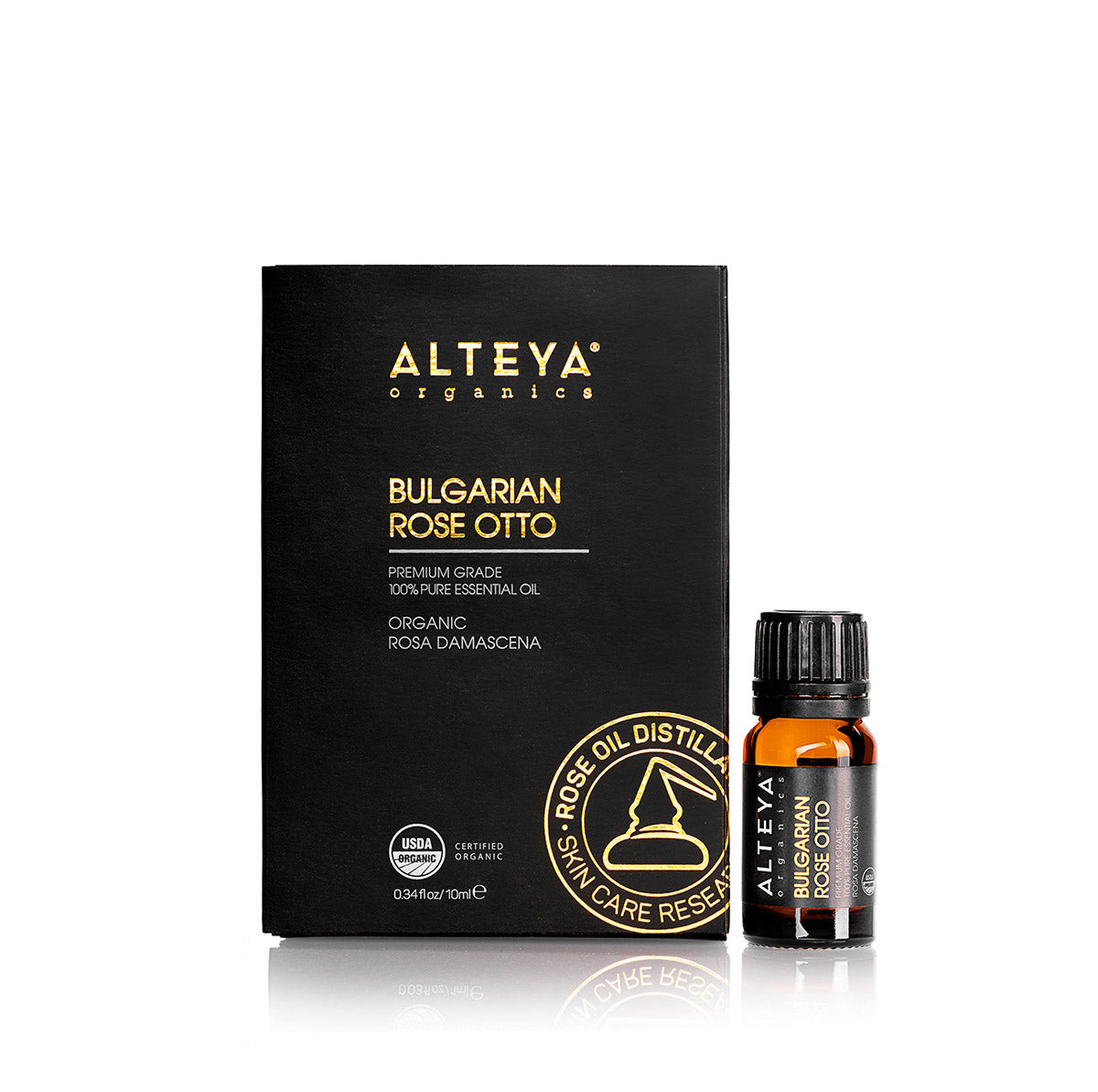
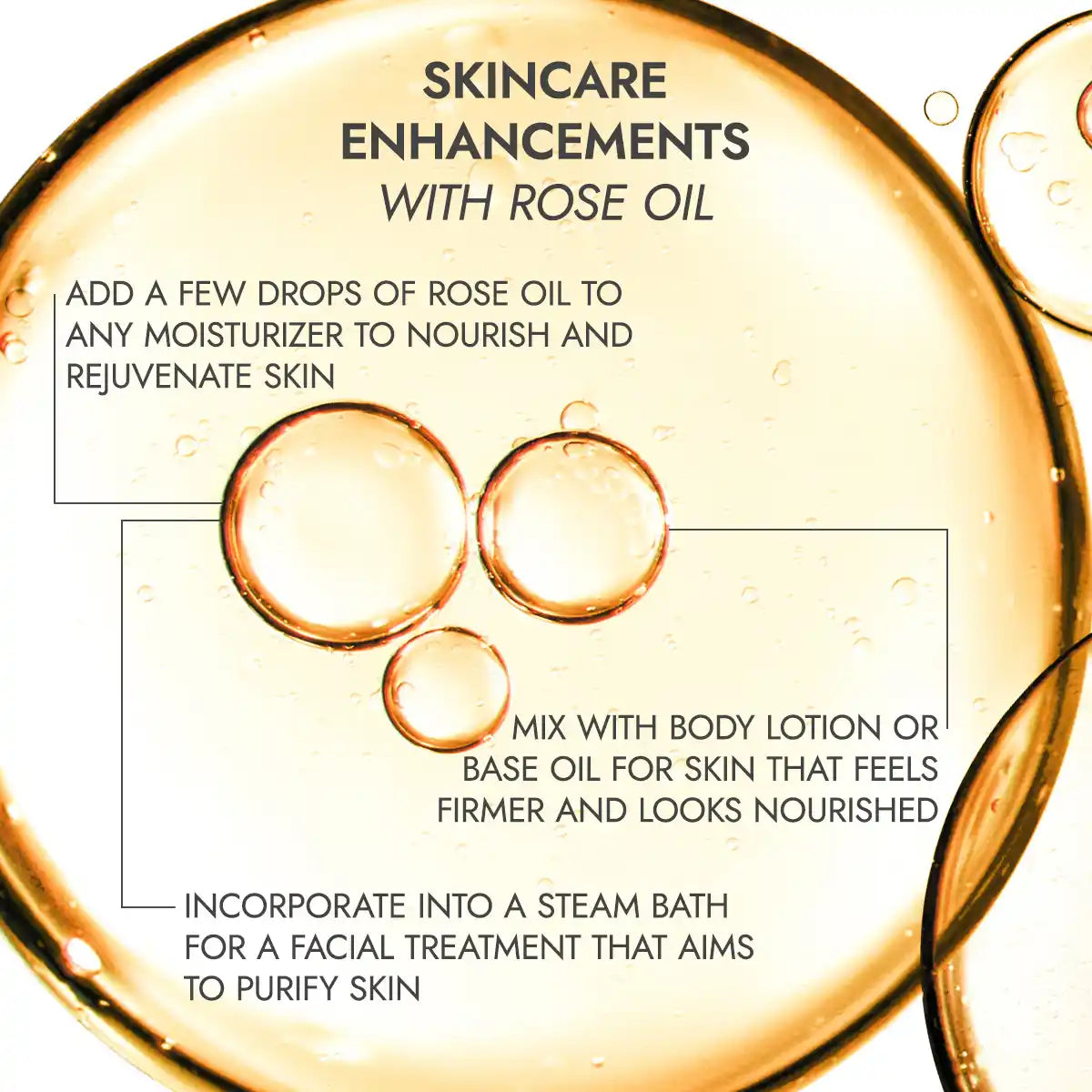

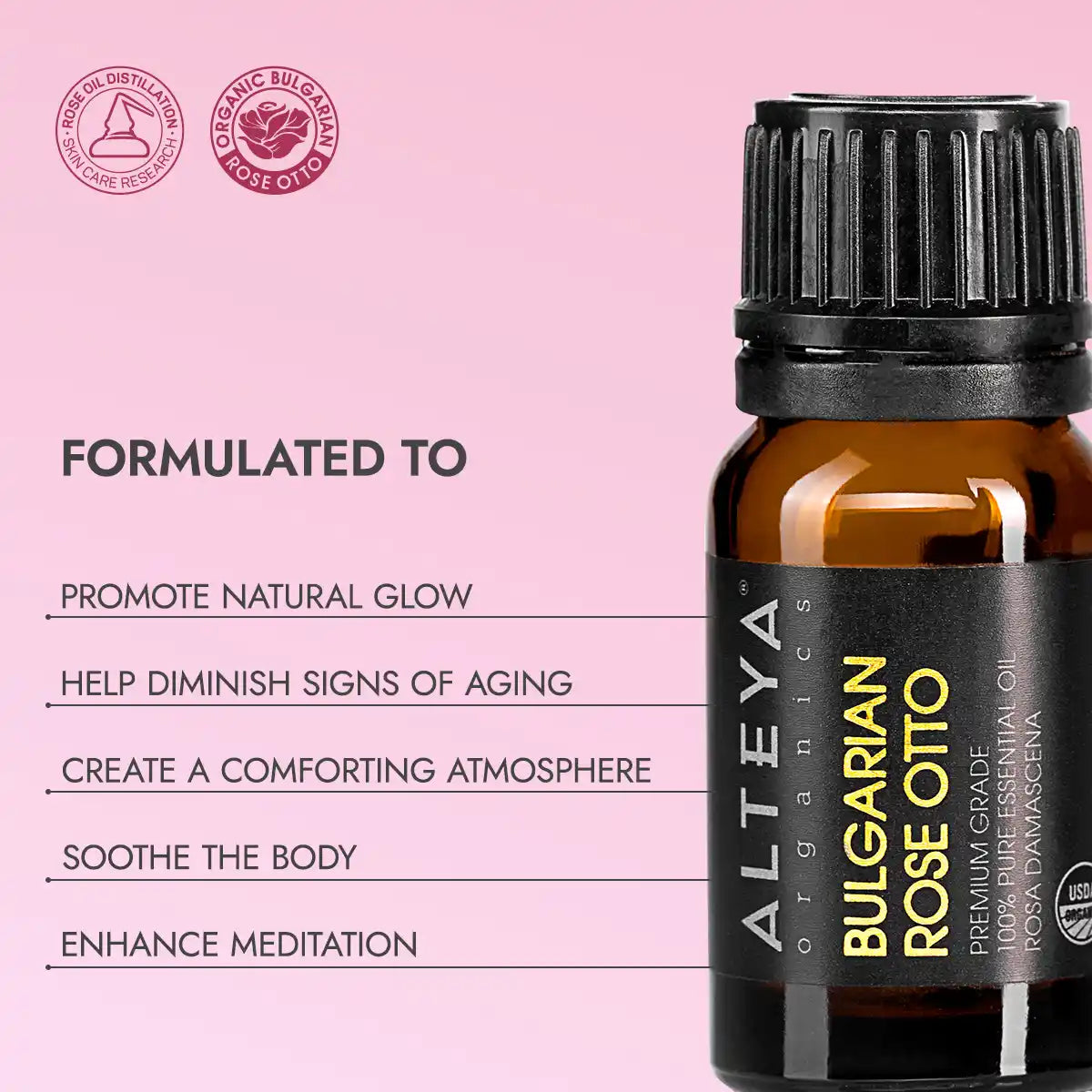
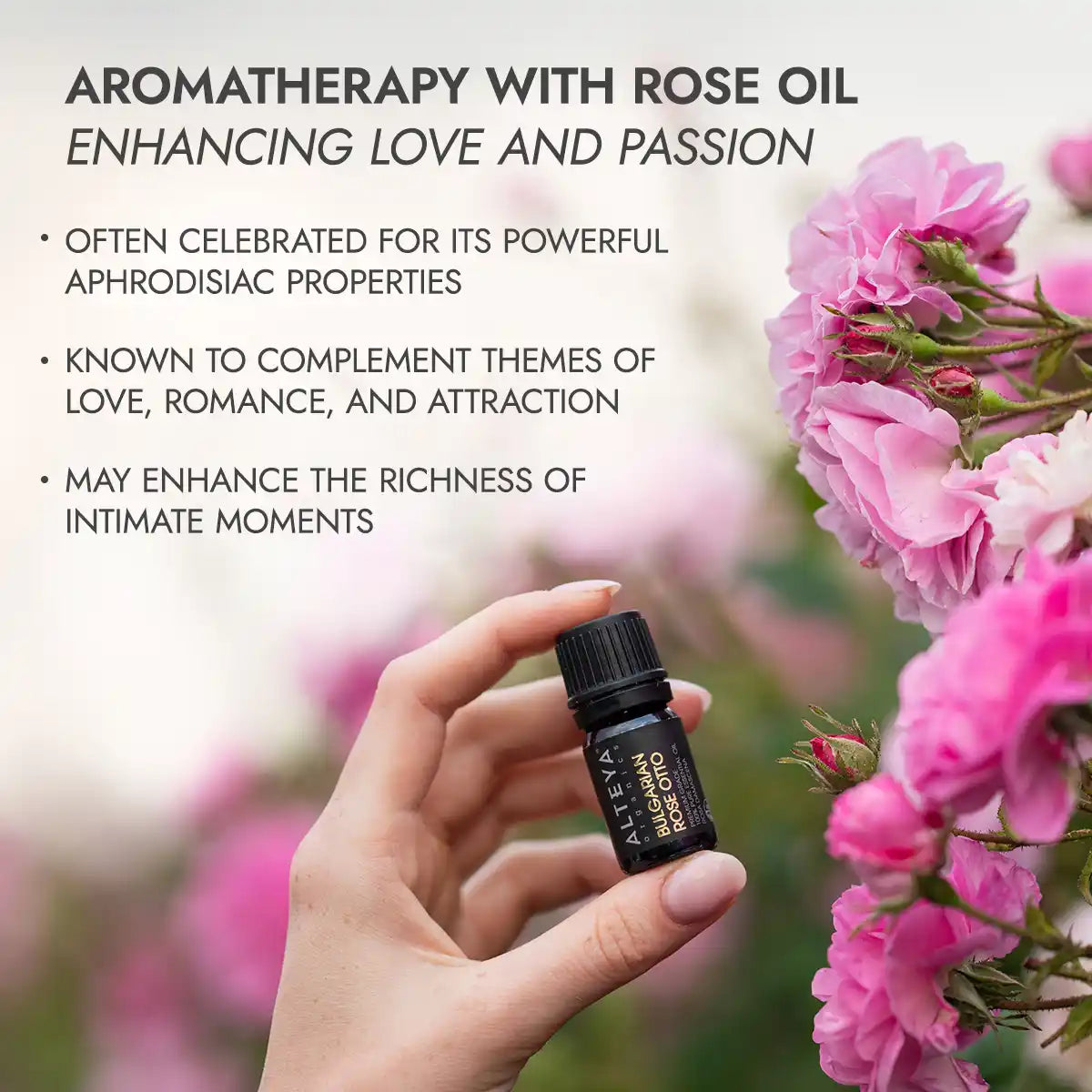
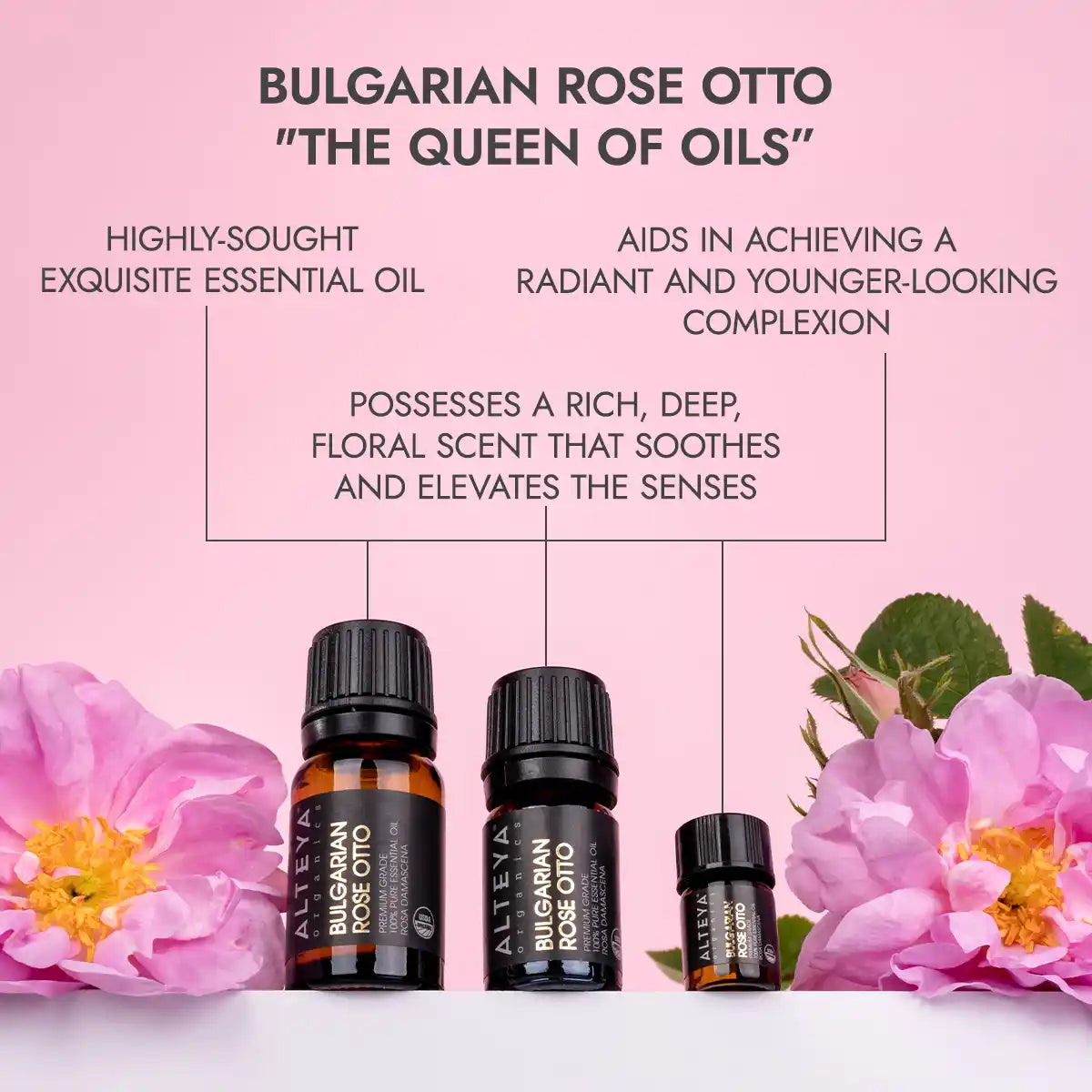
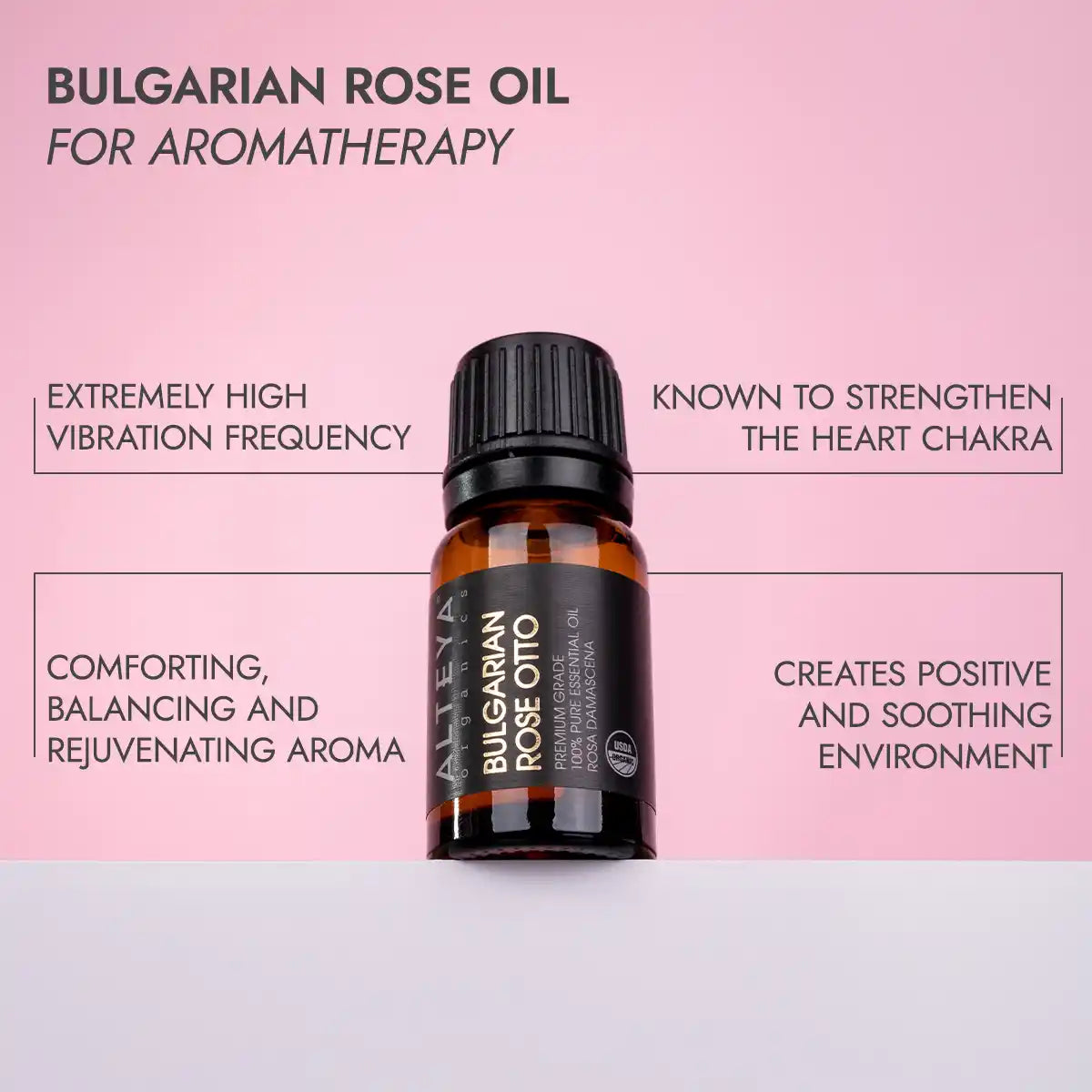
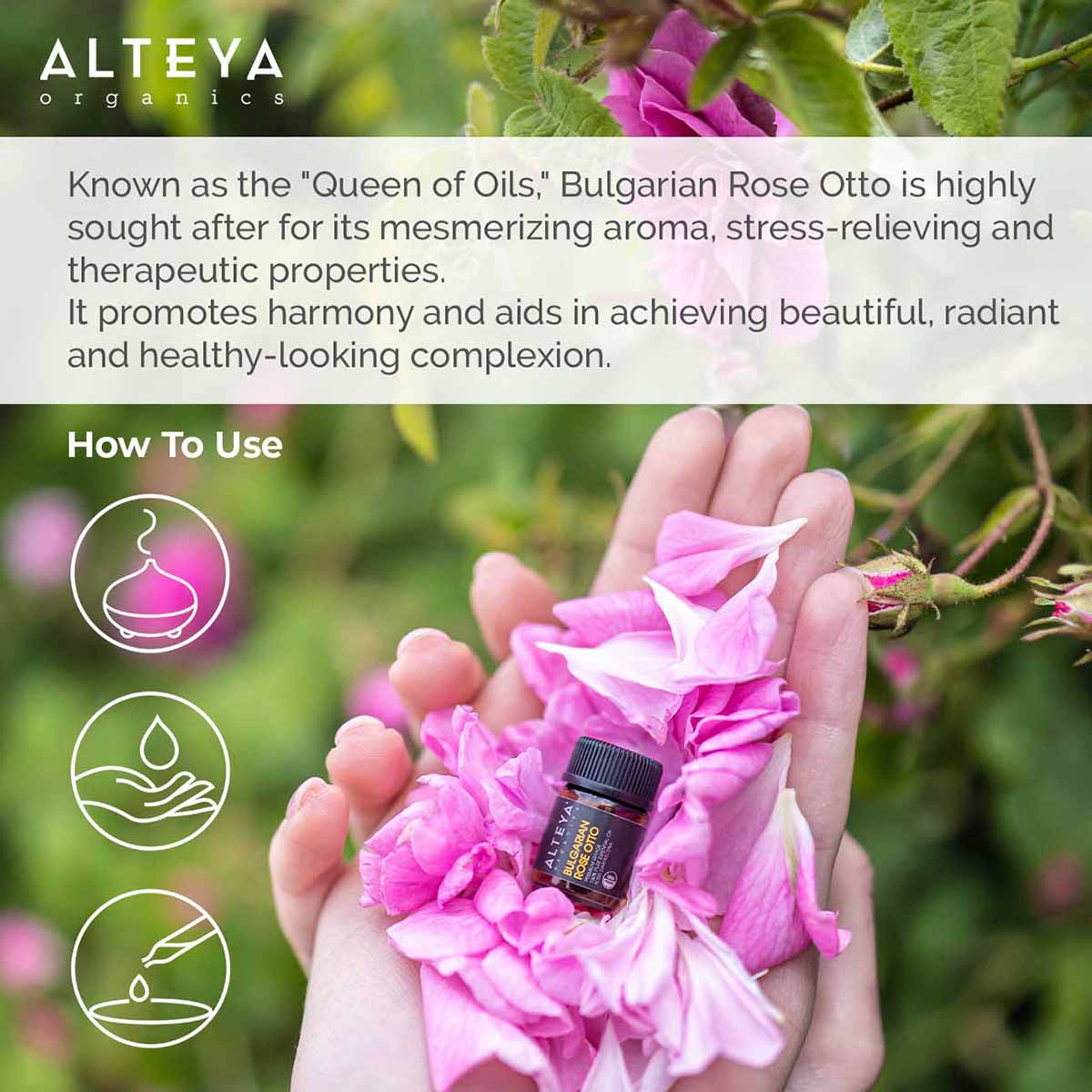
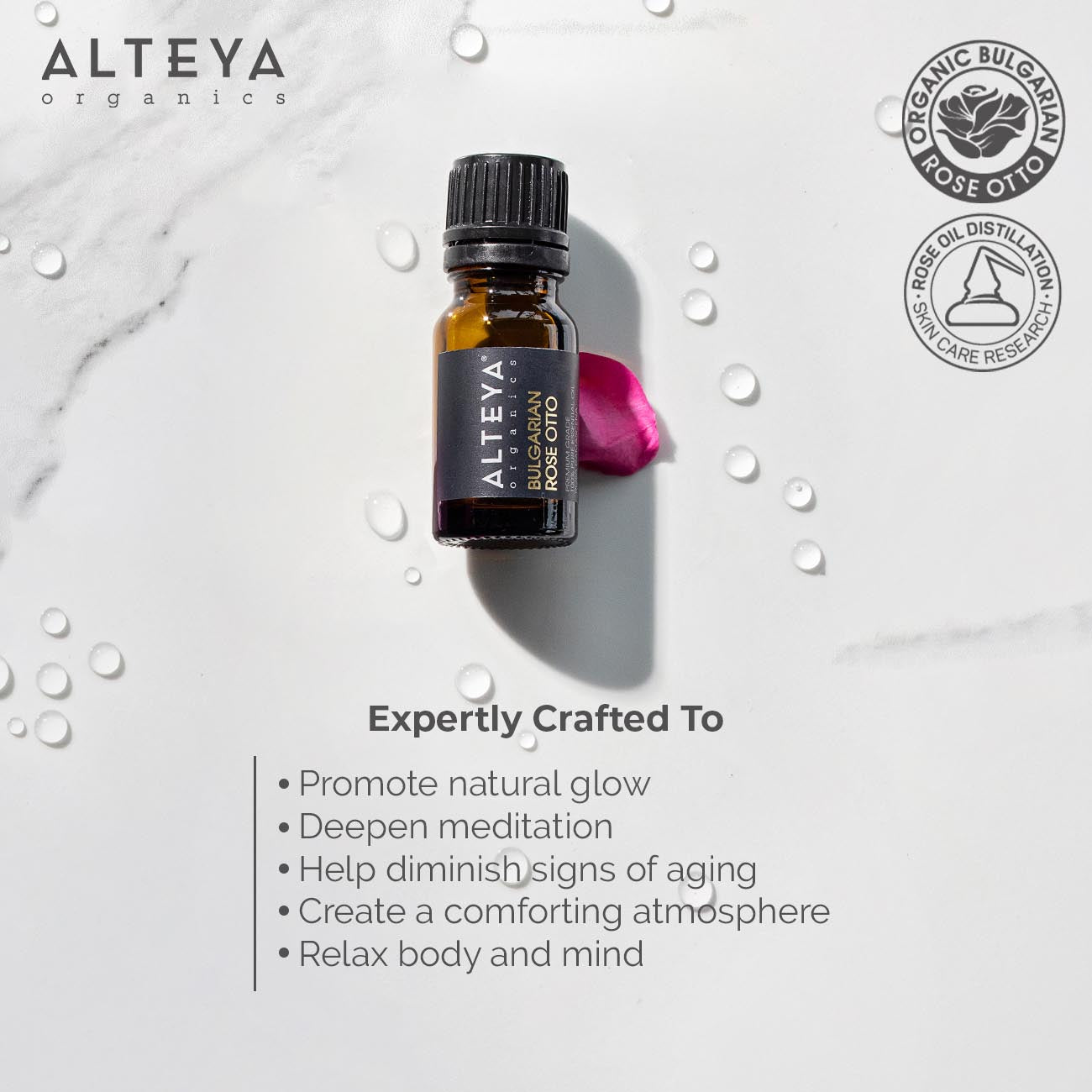
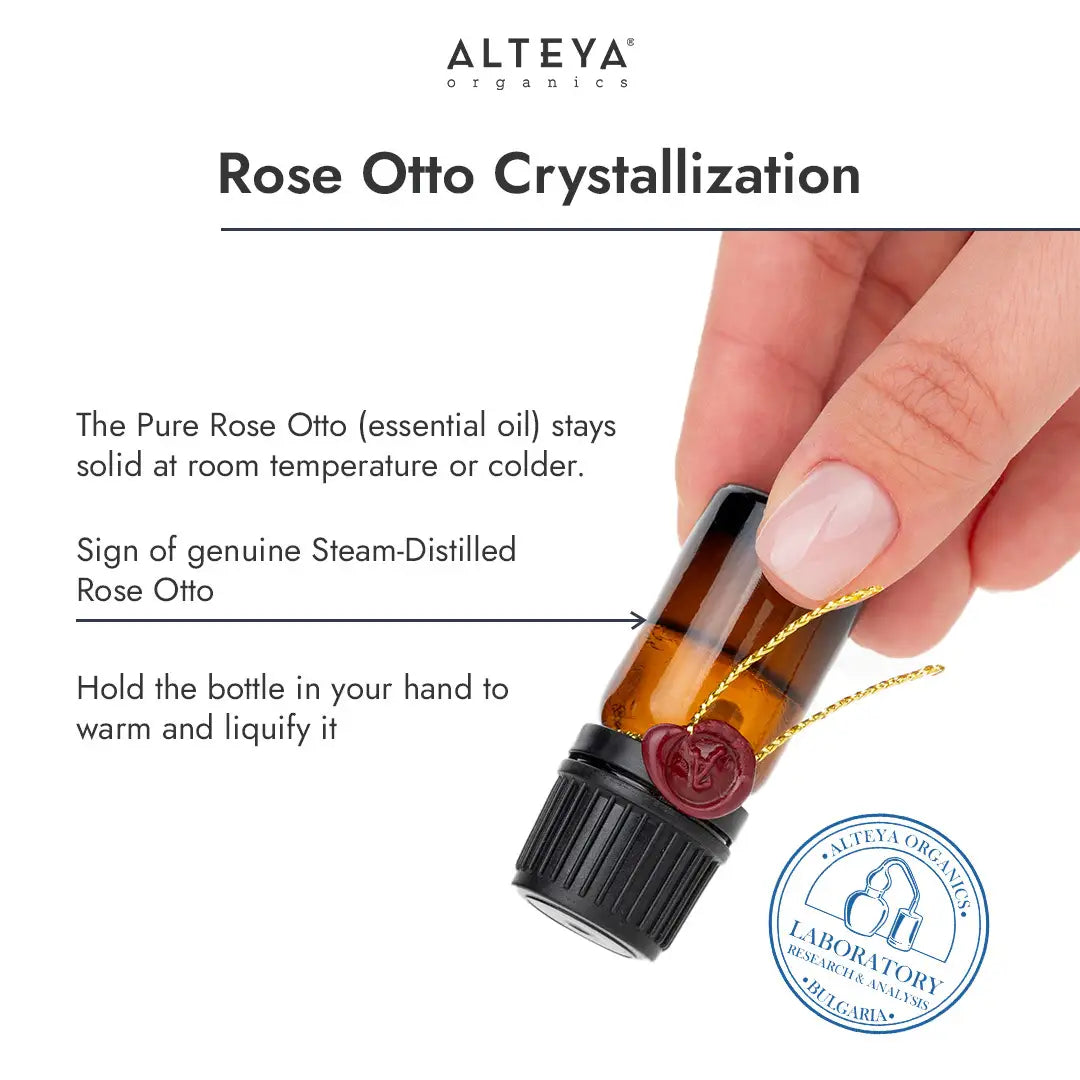
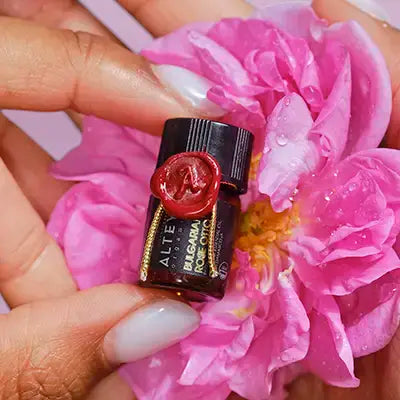
The Organic Bulgarian Rosa Damascena Oil (Rose Otto), obtained by steam distillation has one of the most valuable and distinct fragrances. Rose oil is widely used in the cosmetics and the perfume industry because of its complex molecular composition, healing, beautifying and therapeutic properties as well as its multilayered and deep fragrance.
Alteya’s Rose Essential Oil is certified organic according to the strict USDA, National Organic Program standards. Our organic roses are grown without the use of pesticides, herbicides, or any other harmful additives.
We offer our customers one of world’s most exquisite essential oil, Alteya’s steam-distilled USDA certified organic Bulgarian Rose Oil-Rose Otto, a 100% pure, natural oil that does not contain any pesticide or herbicide residues.
Quality and purity of steam distillation products
The quality of products extracted through steam distillation would depend on a number of factors. The first and foremost factor is the quality of the raw plant material. The more effort is put in growing the plants properly, the better the end-product will be. Other important factors are the proper time for harvesting the rose petals, as well as applying proper methods of storage and transportation and last but not least – the precision of the process of distillation itself.
The most accurate method of determining the quality of an essential oil is gas chromatography or mass spectrometry analysis. These are scientific methods, beyond the expertise of an ordinary person, but there are other, easier to apply methods for determining the quality of steam distillation products (Resource 3). The first and most important step is to carefully read the information on the label. In the European Union, the USA and many other countries there are national product safety regulation bodies, responsible for setting proper labelling standards.
The reputation of the producer is also an indication of the quality of a product.
Last but not least - trust your senses! Pure essential oils would have intensive but natural aroma, without any synthetic aroma touches. They are usually transparent with only a slight shade of colour depending on the type of oil. With hydrolates, we look for fresh aroma, without any visible impurities.
Alteya Organics’ steam distillation

We, at Alteya Organics are proud of the fact that we grow both rose plants and lavender plants and that we have our own distillery. It allows us to control every stage of production and to guarantee the high quality our clients are looking for.
Alteya’s distillery provides our technologists with the possibility to experiment and try to find ways of improving the process of distillation. Over the years we have achieved a substantial progress. As a result of the improvements we have made, the process has become more sophisticated and more expensive but the end result has been the substantially higher quality of the products.
For example, we use a special method for the production of floral waters which makes it possible for the hydrolate to be the end-product of distillation. In allows for higher quantity of essential oils in them, which makes them more effective.
Steam distillation combines ancient traditions with modern technologies. The technology we have developed allows us to capture the finest natural essence and use it for creating new, pure, effective cosmetic products. This remarkable process plays a key role in the world of organic cosmetics all the way from extracting the precious essential oils to producing tender floral waters.
The next time you use you favourite essential oil or freshen your face with floral water, save a moment to think about and appreciate the thousand-year-old road of development that has led to their production. Steam distillation is not simply a method of production, it is a kind of art, which allows us to extract the beneficial plant ingredients and put them in the service to people.
Have a look through Alteya Organics’ catalogue of steam distillation products and find for yourselves what the power of certified organic plant extracts can be in modern skincare!
Resources:
1. Catty, S. (2001). Hydrosols. Inner Traditions / Bear & Co, pp.24–30.
2. Deepak Kumar Verma and Goyal, M.R. (2018). Engineering Interventions in Foods and Plants. Waretown, Nj; Oakville, On: Apple Academic Press, pp.52–55.
3. Petersen, D. (2014). Top 5 Ways to Check Quality of Essential Oils | achs.edu. [online] Achs.edu. Available at: https://info.achs.edu/blog/essential-oil-quality [Accessed 27 Sep. 2024].


Autor: Alteya Organics
At Altеya Organics, we combine the art of organic rose cultivation and distillation with skincare innovations. Thanks to our research and development team, we are proud to offer professional, nature-inspired skincare.
Read more

10 best anti-wrinkle essential oils
Modern dermatological research has repeatedly proven the effectiveness of natural ingredients in skincare products. Plant oils and essential oils are highly concentrated extracts of valuable plants...
Read more
How to build a proper facial skincare routine?
Everyone would like to enjoy a healthy skin, but the truth is that achieving that aim takes constant and multifaceted care. The secret of a healthy skin does not lie in the expensive beauty salon p...
Read more
Leave a comment
This site is protected by hCaptcha and the hCaptcha Privacy Policy and Terms of Service apply.