



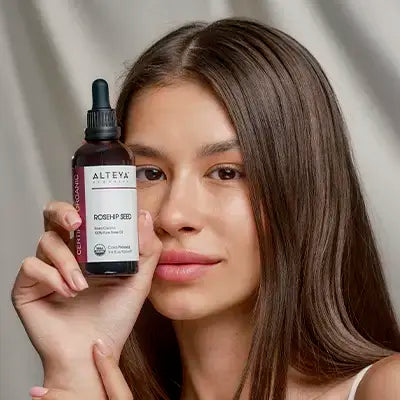
Article: 14 Benefits of Castor Oil

14 Benefits of Castor Oil
Castor oil has been well known and used since ancient times for medicinal and cosmetic purposes. It has multiple effective applications, ranging from being used a natural laxative to treating skin conditions and stimulating hair growth.
Today, many people mistakenly associate the word “ricin” with a type of poison, because of its connection with Georgi Markov’s assassination. Although the beautiful tropical castor plant does contain toxic compounds, when properly processed and formulated, castor oil can be used safely on the skin and even internally. What is more, it offers substantial benefits for you skin health and appearance.
In this article, we are going to look at what castor oil is, how it can be used, and what benefits it may offer for your skin, hair and your overall wellbeing.
What Is Castor Oil?
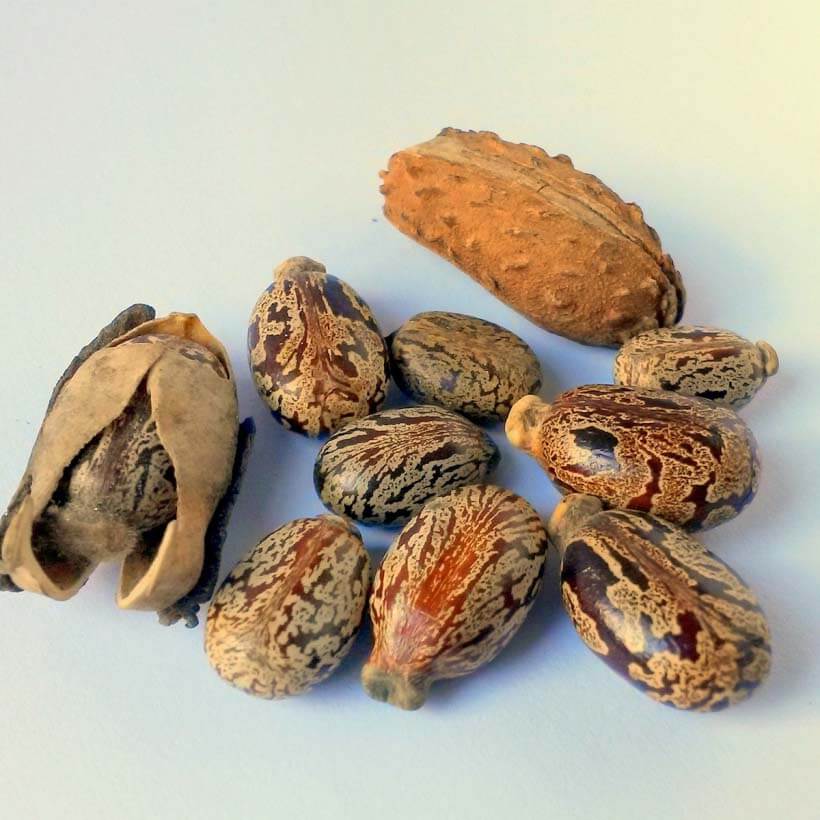
Castor oil is a vegetable oil extracted from the seeds of Ricinus communis, commonly known as the castor plant. Its production involves several stages designed to preserve valuable components while removing unwanted and potentially dangerous substances, such as the toxic protein of ricin.
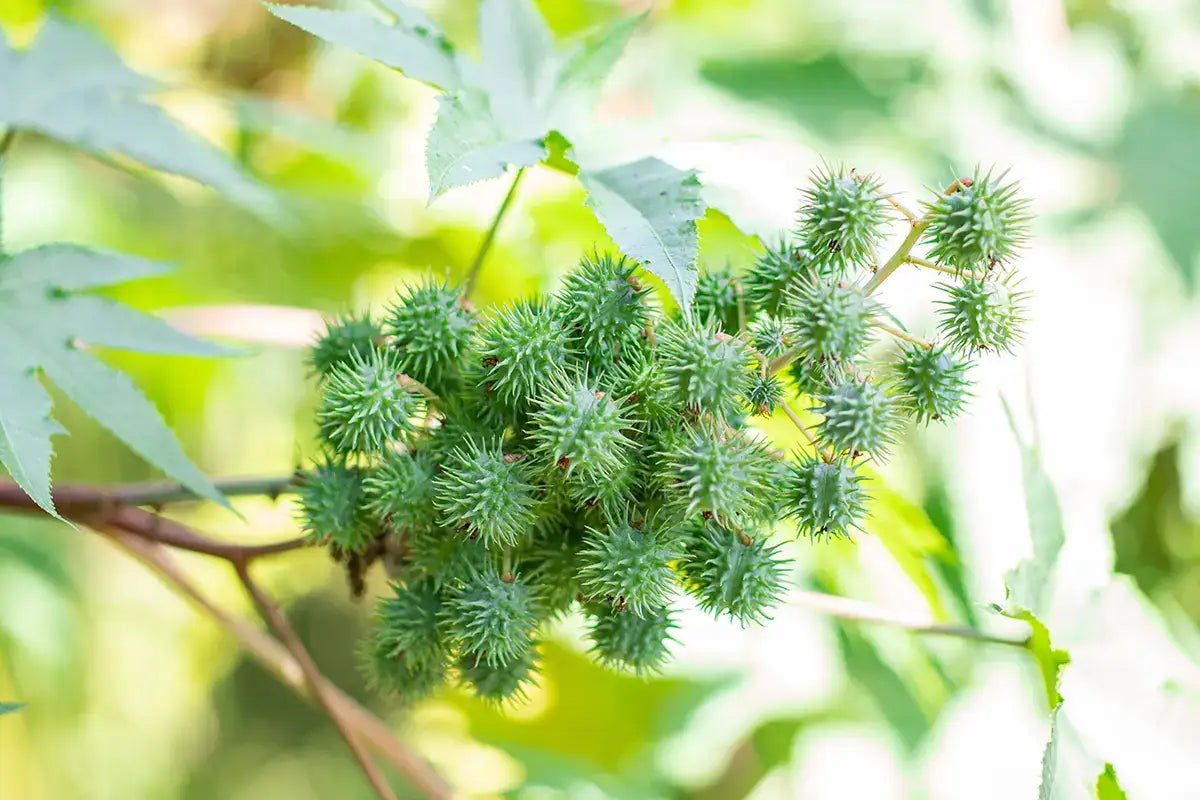
How Is Castor Oil Made and What Is It Made From?
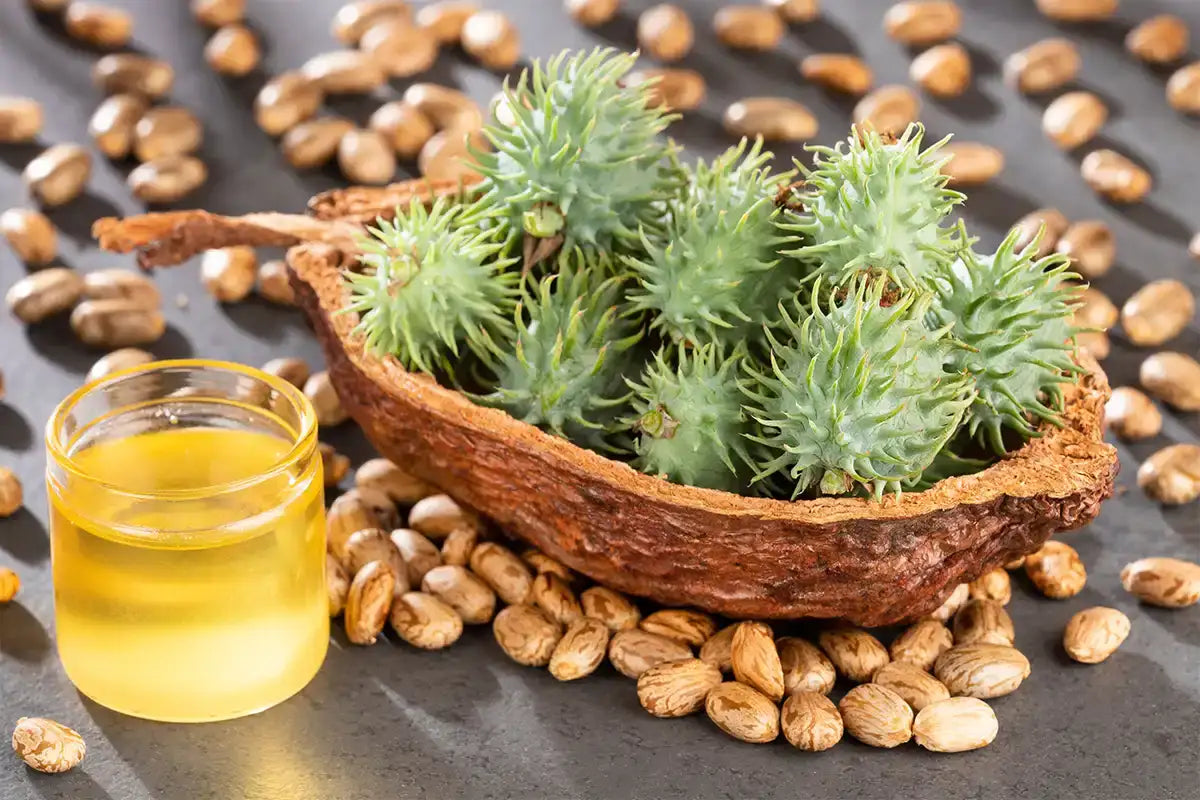
The production process begins by cold-pressing the seeds, which helps preserve their beneficial components, particularly ricinoleic acid. Although simple, this centuries-old process remains widely preferred today because it is effective and does not require unnecessary chemical reagents.
After pressing, the thus produced oil undergoes additional treatment in boiling water. This process is extremely important because it eliminates the highly toxic protein of ricin. Ricin is contained in the plant and respectively present in the initial extract, but it is not fat-soluble and highly sensitive to heat. Following this essential step, castor oil becomes stable and absolutely safe for use on skin and hair.
The end-product is a thick, viscous oil that is usually pale yellow in colour but may also be nearly colourless. Its main component is ricinoleic acid, a type of fatty acid responsible for many of the beneficial properties of the oil. Castor oil may contain up to 90% ricinoleic acid. It also contains other fatty acids, including oleic and linoleic acids (about 3% and 4% respectively).8
These fatty acids help remove impurities from the skin, provide nourishment, and maintain natural moisture balance. That is why, local application on the skin and scalp helps reduce transepidermal water loss and stimulates hair growth.
Although present in a small amount /less than 1%/8, linolenic acid provides additional skin benefits by supporting regeneration. Together, these components make castor oil an effective agent for epidermal moisturising and protection.
Benefits of Castor Oil
Castor oil is known for its traditional use in addressing certain health concerns, such as constipation.1 It is also highly valued in skincare and hair care. Its anti-inflammatory and antibacterial properties help relieve symptoms associated with certain skin conditions, support hair growth, and maintain scalp condition.
Benefits for the Skin
Some of the most beneficial properties of castor oil are associated with its effects on the skin.
1. It helps regulate the production of sebum. Many online sources claim that this plant oil helps regulate sebum production, though the exact mechanism of this effect has not yet been examined yet. Nevertheless, in practice, castor oil has been found to be useful against acne infections and oily skin.
2. It helps achieve firmer-looking skin. Castor oil is believed to support collagen synthesis. Together with its strong moisturising properties, this contributes to making the skin look more supple, with a fresher, more youthful appearance.7 Castor oil often ranks high among the best anti-ageing oils, which reduce wrinkles.
3. It supports healing. Due to its astringent, antimicrobial, and antioxidant properties, castor oil facilitates the healing of minor wounds.5 Applied on the skin, castor oil can help maintain optimal moisture, which further supports the healing process.9
4. It soothes the skin. When applied to a sunburn area sunburn, castor oil helps calm irritation and reduce inflammation.2
5. It reduces the appearance of dark circles. A study from 2021–2022 found that castor oil has a positive effect on the treatment of dark circles under the eyes. A two-month regular use of castor oil visibly reduced dark circles around the ayes, while the treated area also showed improved firmness a reduction of visible wrinkles.7
6. It helps control pigmentation. Castor oil has also been used as an active component in treatments for melasma - a form of skin hyperpigmentation.10
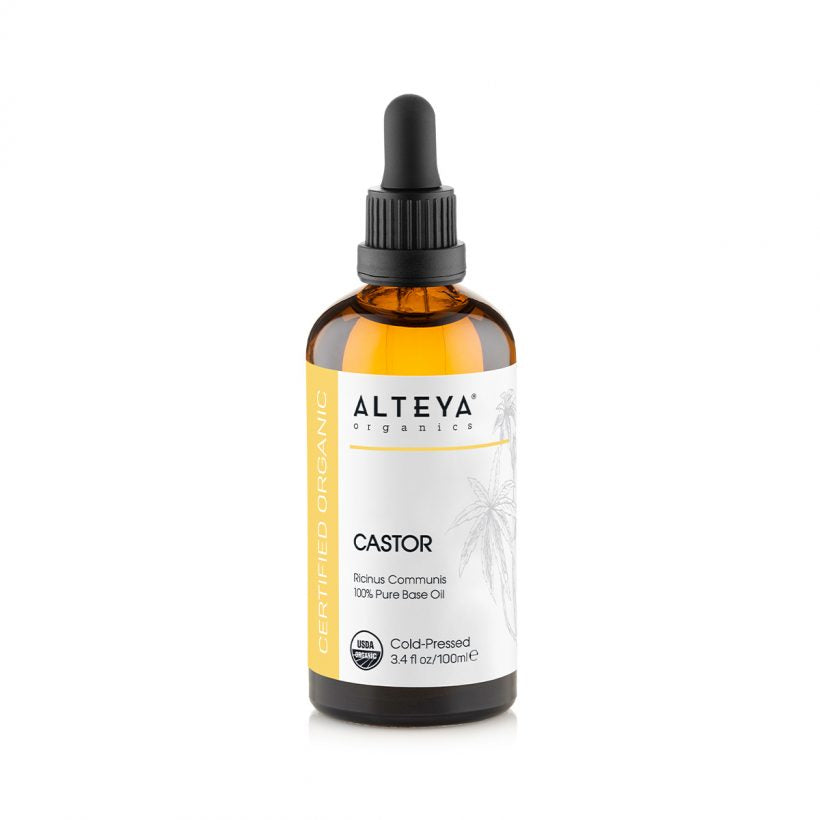
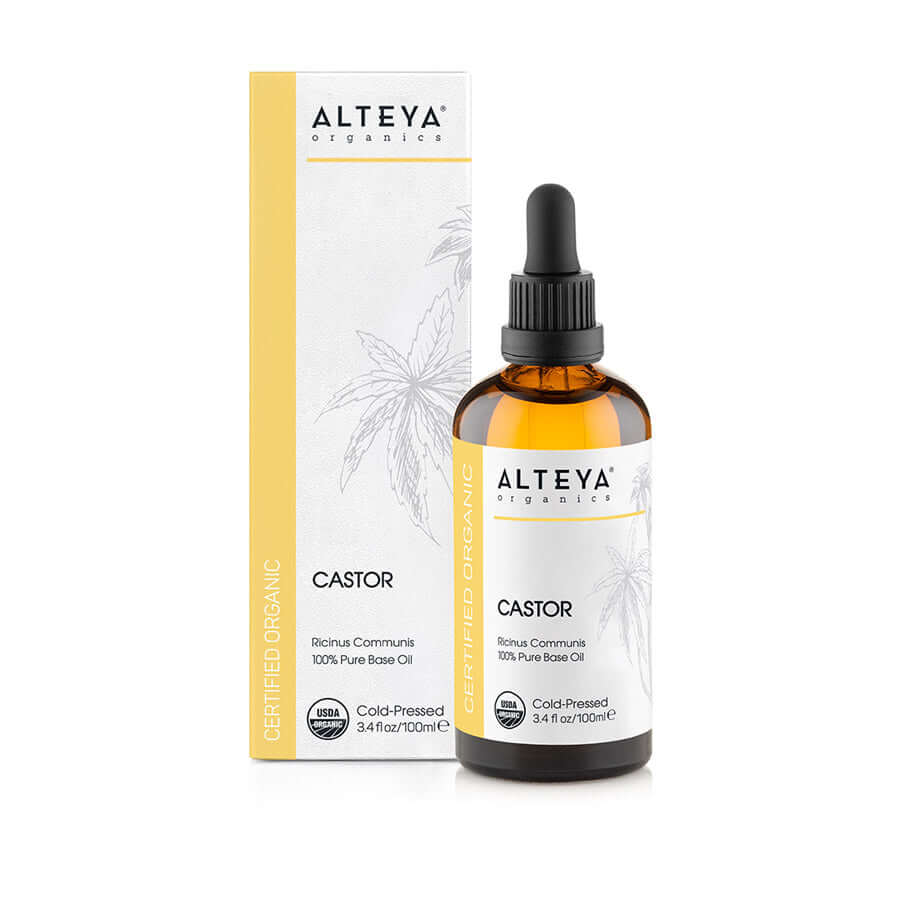
DESCRIPTION
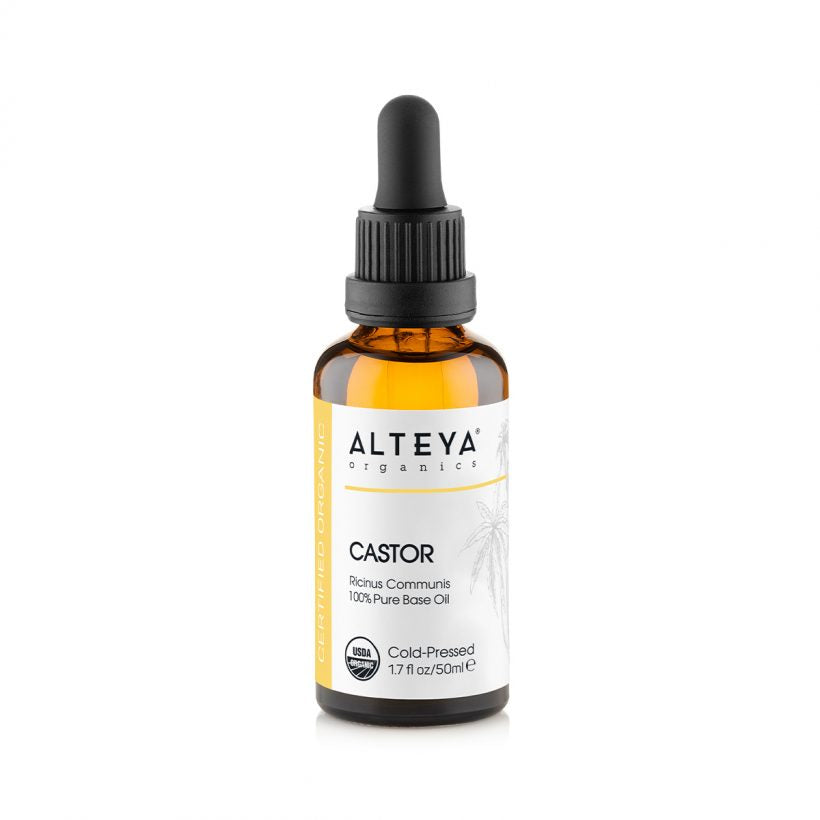
/RICINUS COMMUNIS/
Castor oil is rich in ricinoleic acid and provides excellent hydration, making skin smooth and supple. It contains triglycerides that might be helpful in removing impurities from skin. This thick oil helps create a protective layer on hair and scalp, preventing moisture loss and is also known to encourage a healthy hair growth.
Extraction method: Cold Pressed
Absorption rate: Very Slow
Aroma: Strong
SUGGESTED USE
It may be used in skincare formulations or on its own. Can be used within most skincare formulas, including facial care preparations, soapmaking, massage oils and other body care and cosmetic products.
Skin Application—apply a few drops daily or as needed to entire face – on its own or after water-based treatments. Use only as directed on unbroken skin.
Hair Application—add a few drops on the scalp and hair lengths. Let it stay for 30 min to an hour. Then wash with shampoo.
INGREDIENTS
Ricinus Communis (Castor) Seed Oil*
*Certified Organic Ingredient
ADDITIONAL INFORMATION
For external use only. Keep out of reach of children. Avoid contact with eyes. If irritation occurs, discontinue use. Store in a cool, dry place, away from direct sunlight.
Benefits for the Hair
Castor oil is also well known for its beneficial effects on hair health.
7. It stimulates hair growth. Based on the fact that castor oil soothes irritation and improves blood circulation in the scalp, it effectively stimulates hair growth.4
8. It helps prevent hair loss. In African and Indian traditional medicine, castor oil has long been known to help against hair loss. A 2015 study provides scientific evidence supporting this claim.3
9. It moisturises the hair and helps prevent split ends. Due to its high fatty-acid content, castor oil helps “lock” moisture into the hair structure. This prevents split ends and makes the hair appear shinier and more flexible. For this reason, people who have very dry, curly hair often use castor oil as a conditioning treatment.11
Benefits for the Scalp
Castor oil on the scalp may also provide several benefits.
10. It helps prevent inflammation. Thanks to its properties, castor oil protects the scalp from infections and inflammation that can intensify hair loss.
11. It helps restore the skin barrier. This effect is also beneficial for dandruff prevention.
12. It has a beneficial effect on oily scalps. Owing to the fact that the chemical structure of castor oil is very similar to natural sebum and that it can balance its production, masks containing castor oil may help manage excessive oiliness.
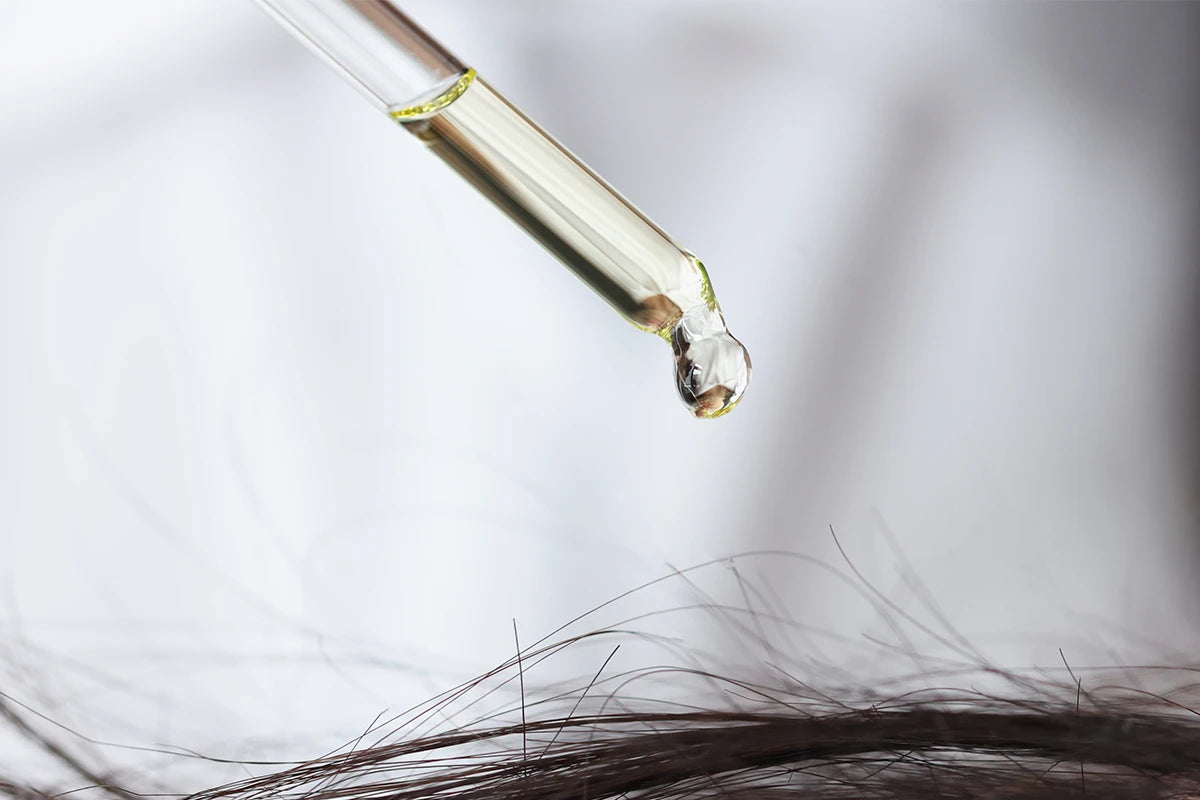
Eyelash Care
13. It supports eyelash growth.
Another popular use of castor oil is to stimulate eyelash growth. Castor oil is rich in fatty acids that nourish the hair follicles and thus achieves fuller-looking lashes. Applying a very small amount to the eyelashes before bed is a traditional recipe for achieving longer and denser-looking eyelashes.
Antifungal Properties
14. Castor oil has strong antibacterial and antifungal properties, which makes it useful in the treatment of certain infections, particularly those affecting the nails and the skin. It acts as a natural antifungal remedy against nail fungi by preventing its growth due to the effects of ricinoleic acid – the active ingredient it contains.
Regular application of castor oil on affected areas not only supports the elimination of fungi but it also reduces inflammation and redness associated with fungal infections.
How to Use Castor Oil
Although castor oil is widely known for its traditional health benefits, many people are not quite aware of how it can be incorporated into their daily skin and hair care.
The method of use may vary depending on your needs. When targeting the skin, a small amount can be applied directly on desired areas while gently massaging them to stimulate absorption.
Applying undiluted castor oil directly on the hair is not recommended because this can cause tangling .6 Castor oil has a very high viscosity, which means that it is better to prepare a hair mask by mixing it with other oils, such as coconut or olive oil, to ease application.
To stimulate hair growth, it is especially beneficial to massage a small amount of castor oil, diluted in a suitable carrier oil, into the roots. Leave it on for approximately 30 minutes or, when suitable for your hair and scalp, overnight. Then wash thoroughly with shampoo and water.
It is important to begin with a small amount and increase it gradually if needed. If you have sensitive skin, perform a patch test before applying castor oil to a large area for the first time.
Where Can You Buy Castor Oil?
Castor oil is available from many online retailers, pharmacies, and specialist natural-cosmetics shops. It is also available from the Alteya Organics online store. When choosing castor oil for homemade beauty care, it is important to make sure that it is a pure product without added synthetic ingredients or fragrances. The best choice would always be pure organic castor oil.
Castor oil is a versatile natural ingredient which can bring benefits to both hair care and skincare, catering for range of skin conditions. Thanks to its antibacterial and anti-inflammatory properties, it is not only a powerful agent for achieving healthy-looking hair, but it also soothes irritation, and even supports the treatment of fungal infections. Correct use and a well-informed choice of high-quality castor oil products are important for obtaining the best possible results.
Resources:
1. Abomughaid, M.M. et al. (2024) “A phytochemical and pharmacological review of Ricinus communis L,” Discover Applied Sciences, 6(6). Available at: https://doi.org/10.1007/s42452-024-05964-5 .
2. Castor oil: A natural solution for SPF and after-sun care (2024) iAMA. Available at: https://iamawellness.com/blogs/news/castor-oil-a-natural-solution-for-spf-and-after-sun-care (Accessed: April 8, 2025) .
3. Fong, P. et al. (2015) “In silico prediction of prostaglandin D2 synthase inhibitors from herbal constituents for the treatment of hair loss,” Journal of ethnopharmacology, 175, pp. 470–480. Available at: https://doi.org/10.1016/j.jep.2015.10.005.
4. Kporou, E.K. et al. (2021) “Quality, safety and activity of an ointment formulated from two vegetable oils on rabbits hair growth,” Pharmacopée et médecine traditionnelle africaine, 20(0), pp. 38–46. Available at: http://publication.lecames.org/index.php/pharm/article/view/2388 (Accessed: April 8, 2025).
5. Kumar, M. (2017) “A review on phytochemical constituents and pharmacological activities of Ricinus communis L. plant,” International journal of pharmacognosy and phytochemical research, 9(4). Available at: https://doi.org/10.25258/phyto.v9i4.8116.
6. Maduri, V.R., Vedachalam, A. and Kiruthika, S. (2017) “‘Castor oil’ - the culprit of acute hair felting,” International journal of trichology, 9(3), pp. 116–118. Available at: https://doi.org/10.4103/ijt.ijt_22_17.
7. Parvizi, M.M. et al. (2024) “Efficacy of castor oil cream in treating infraorbital hyperpigmentation: An exploratory single-arm clinical trial,” Journal of cosmetic dermatology, 23(3), pp. 911–917. Available at: https://doi.org/10.1111/jocd.16056 https://doi.org/10.1111/jocd.16056.
8. Patel, V.R. et al. (2016) “Castor oil: Properties, uses, and optimization of processing parameters in commercial production,” Lipid insights, 9, pp. 1–12. Available at: https://doi.org/10.4137/LPI.S40233.
9. Pauline (2024) Castor oil for the skin: what are its virtues?, Typology Paris. Available at: https://us.typology.com/library/the-numerous-benefits-of-castor-oil-on-the-skin(Accessed: April 4, 2025).
10. Piamphongsant, T. (2006) “Phenol-castor oil: modified peel for dermal melasma,” Dermatologic surgery, 32(5), pp. 611–7; discussion 617. Available at: https://doi.org/10.1111/j.1524-4725.2006.32131.x.
11. Sime Tessema, S. (2019) “Physicochemical characterization and evaluation of castor oil (R. communis) for hair biocosmetics,” American journal of applied chemistry, 7(4), p. 110. Available at: https://doi.org/10.11648/j.ajac.20190704.11.


Autor: Alteya Organics
At Altеya Organics, we combine the art of organic rose cultivation and distillation with skincare innovations. Thanks to our research and development team, we are proud to offer professional, nature-inspired skincare.
Read more

Black seed (Nigella sativa) extract has been known for its exceptional properties since ancient times. Referred to as “Pharaohs’ gold”, this oil was used by the early Egyptian rulers for maintainin...
Read more
Leave a comment
This site is protected by hCaptcha and the hCaptcha Privacy Policy and Terms of Service apply.