



Answers based on scientific research and the expertise of Alteya Organics — a Bulgarian producer with over 20 years of experience in organic rose cultivation.

13 Beneficial Properties of Rose Oil
Without doubt, one of the most recognizable Bulgarian products across the world is rose oil. It is no wonder because “the liquid gold”, as it was referred to during the Bulgarian Revival period, has been used for centuries for its therapeutical properties and wonderful fragrance. This precious essential oil, most often extracted from Rosa Damascena petals, stands out for its exceptionally beneficial effects on the mind, body and spirit. Let’s look at 13 incredible benefits of rose oil, which make it an indispensable addition to your cosmetic collection.
1. It is a natural mood enhancer
The sweet floral aroma of rose oil is widely used in aromatherapy for reducing tension and stress and uplifting mood. The renowned aromatherapist Gabriel Mojay expressed the following view on the benefits of rose oil:
“When rejection or loss has injured our capacity for self-love and nurturing, rose oil brings a sweet, gentle comfort, binding the heartstrings of the mind.”
Add a few drops of rose oil in your aroma diffuser or in your bath tub in order to create a relaxing atmosphere to help you get rid of the daily stress and tension.
2. It nourishes the skin
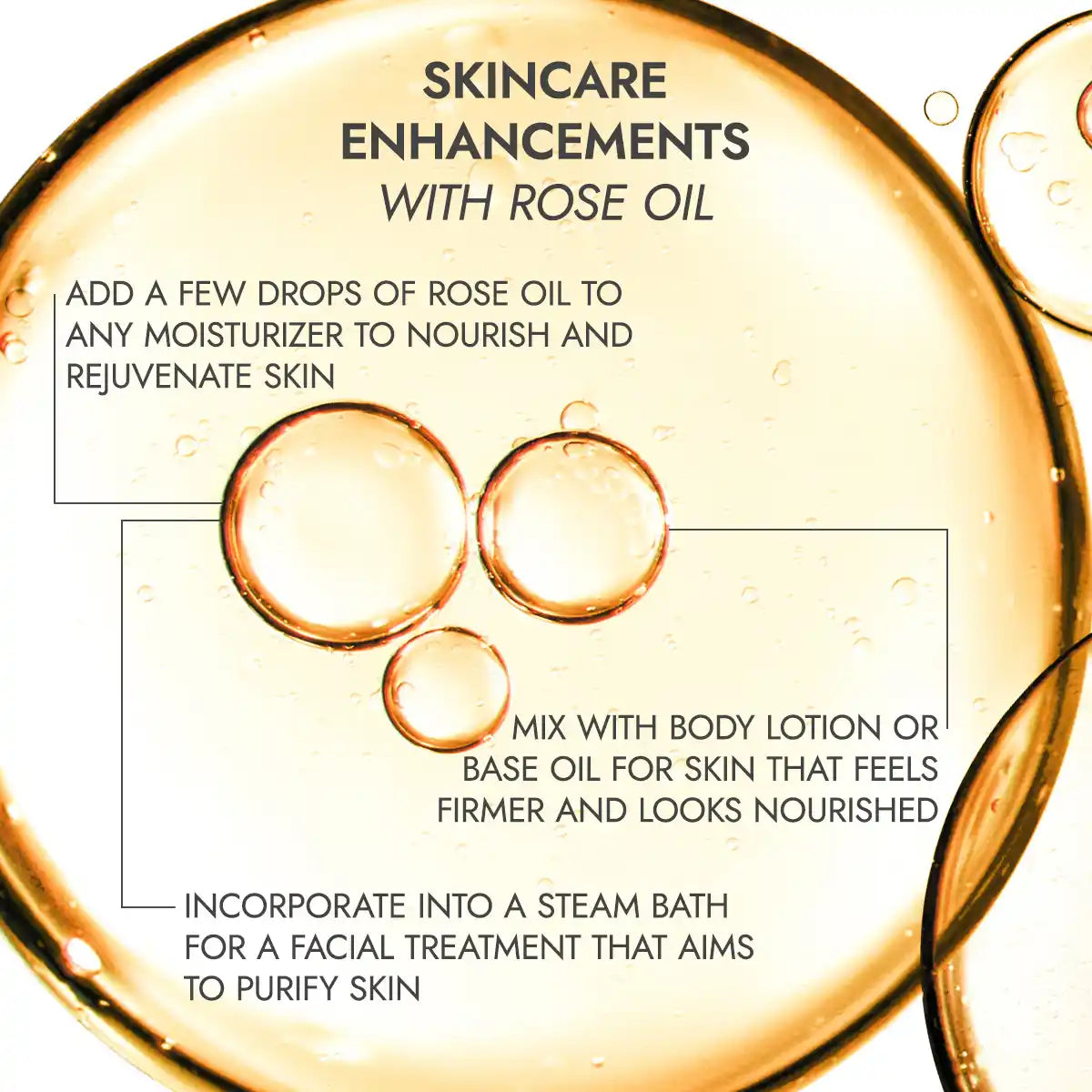
Rose oil is a popular ingredient of skin care products. It is due to the fact that it has moisturizing, soothing and anti-inflammatory properties. It is also important to know that essential rose oil is an antioxidant. It can contribute to skin nourishment and rejuvenation, which makes it a valuable ingredient of face serums and toners.
3. It fights fine lines and wrinkles
Rose oil has been used for skin rejuvenation for centuries. Modern scientific research only proves what ancient wisdom claimed. A 2023 study (Resource No 1) proved that rose oil can, to a certain degree, ameliorate UVB-induced skin photo aging. In addition, it also boosts skin recovery by preventing collagen damage. It is considered that this anti-ageing effect is induced by the antioxidant and anti-inflammatory properties of essential rose oil. So, the regular use of rose oil can have a beneficial effect on improving skin elasticity and reducing the appearance of fine lines and wrinkles.
Featured product
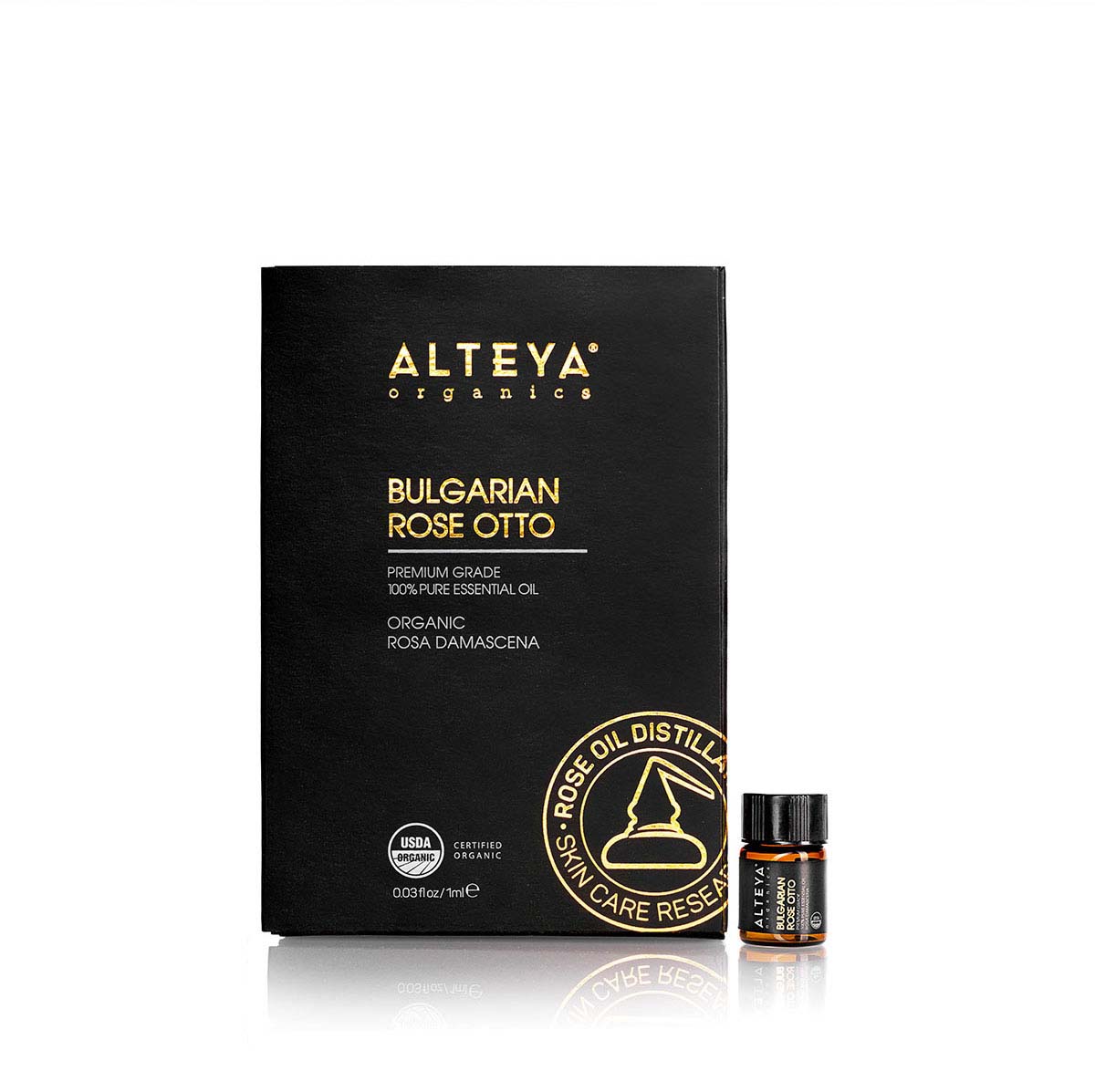
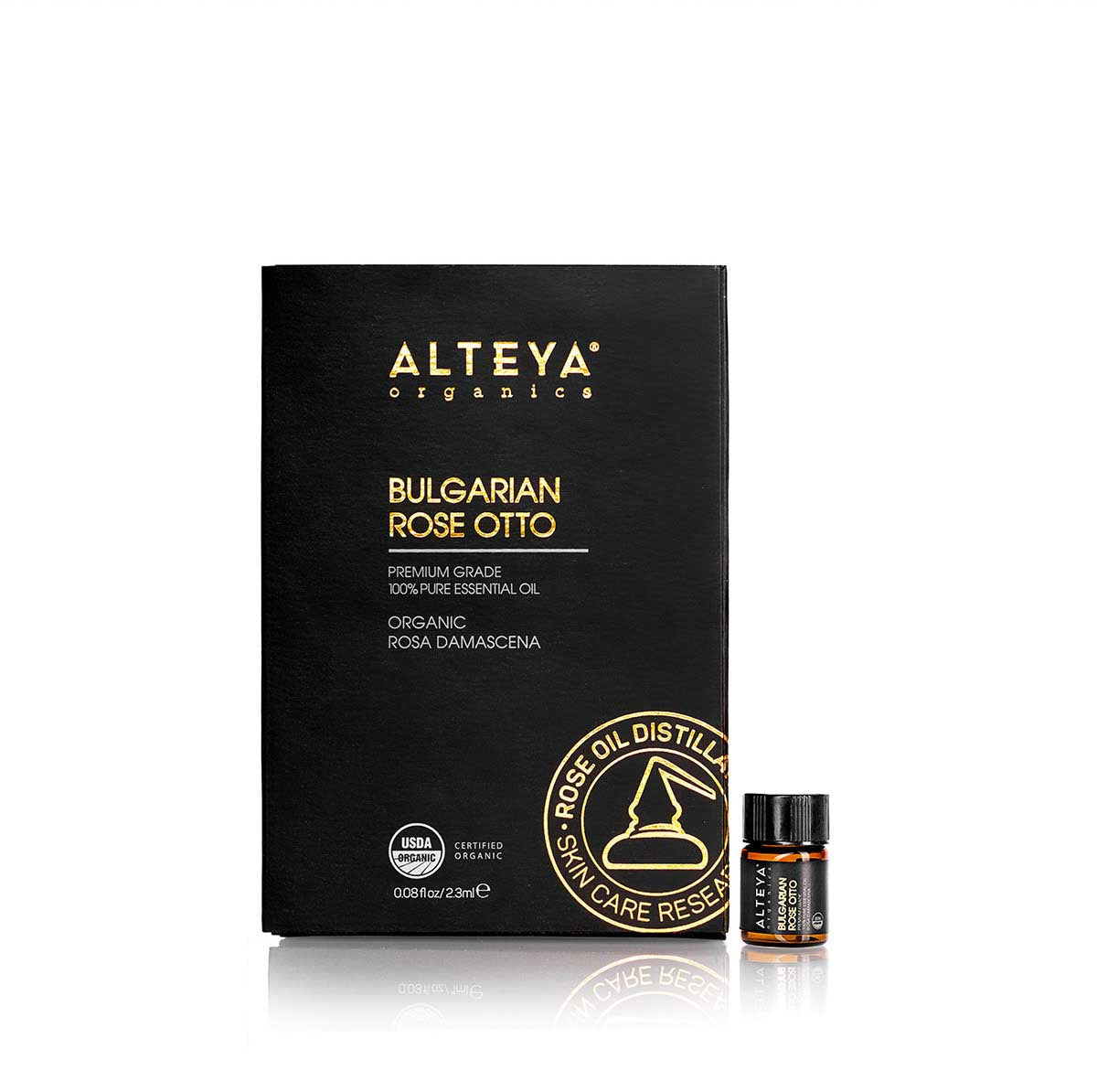
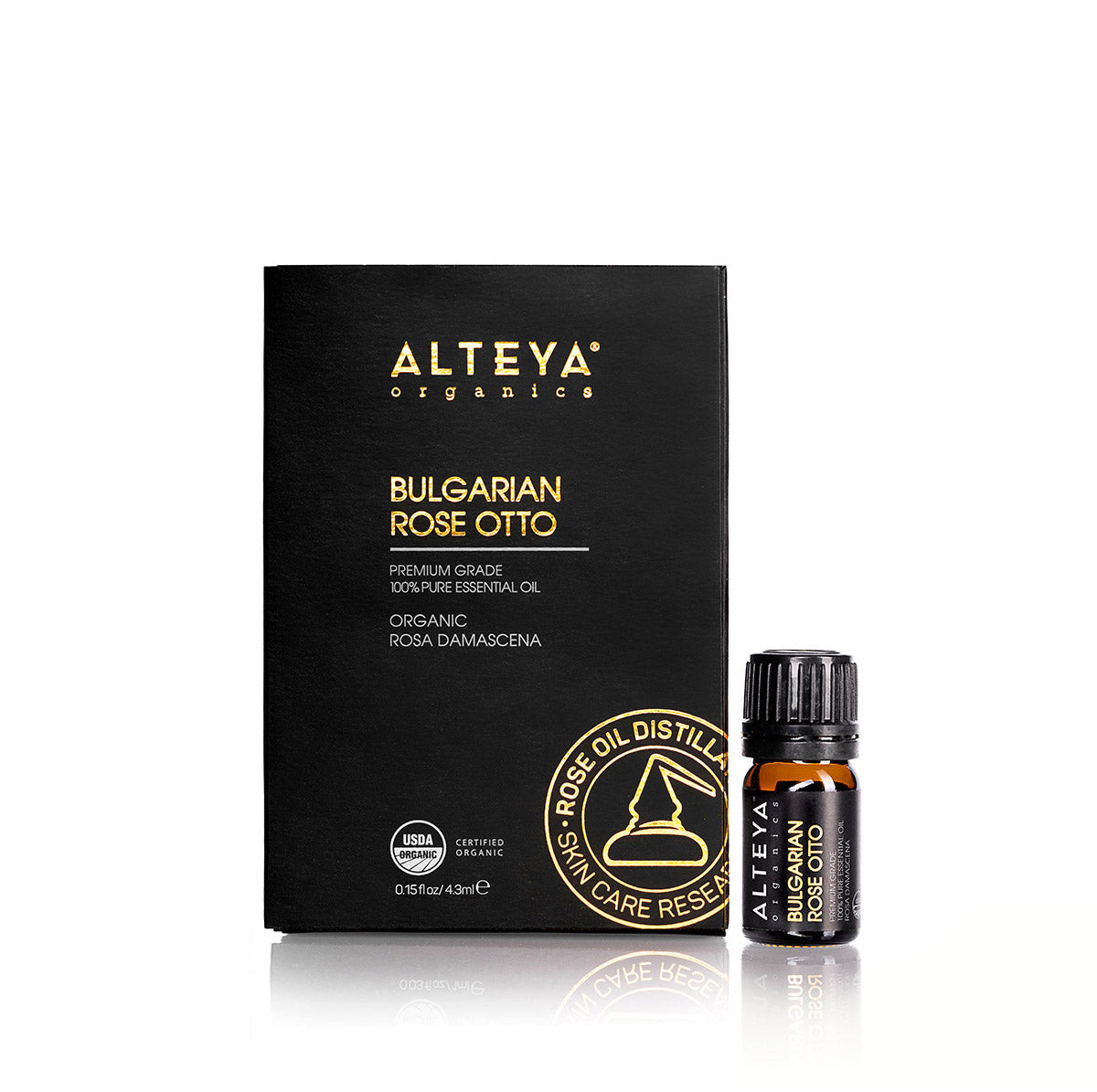
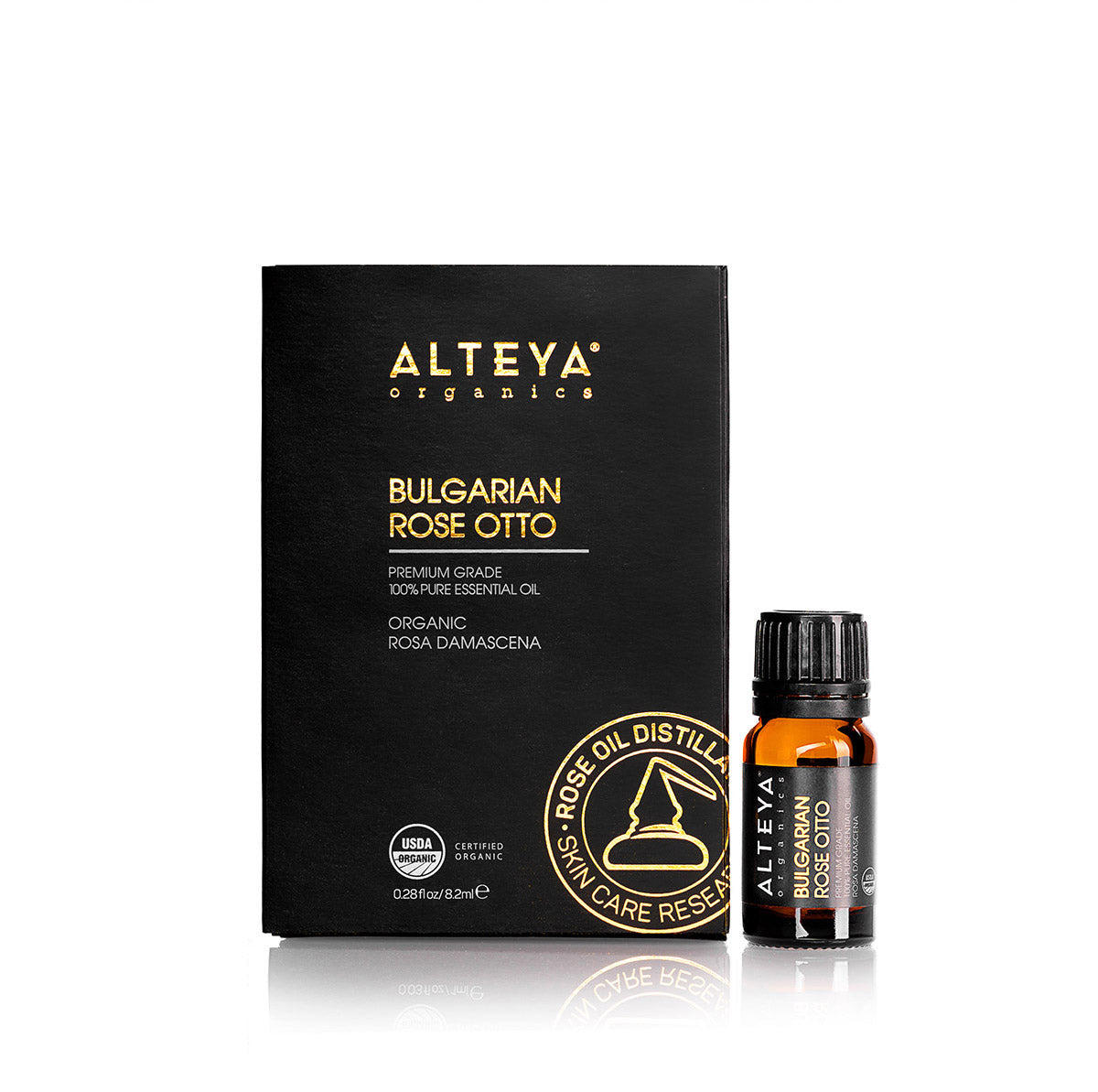
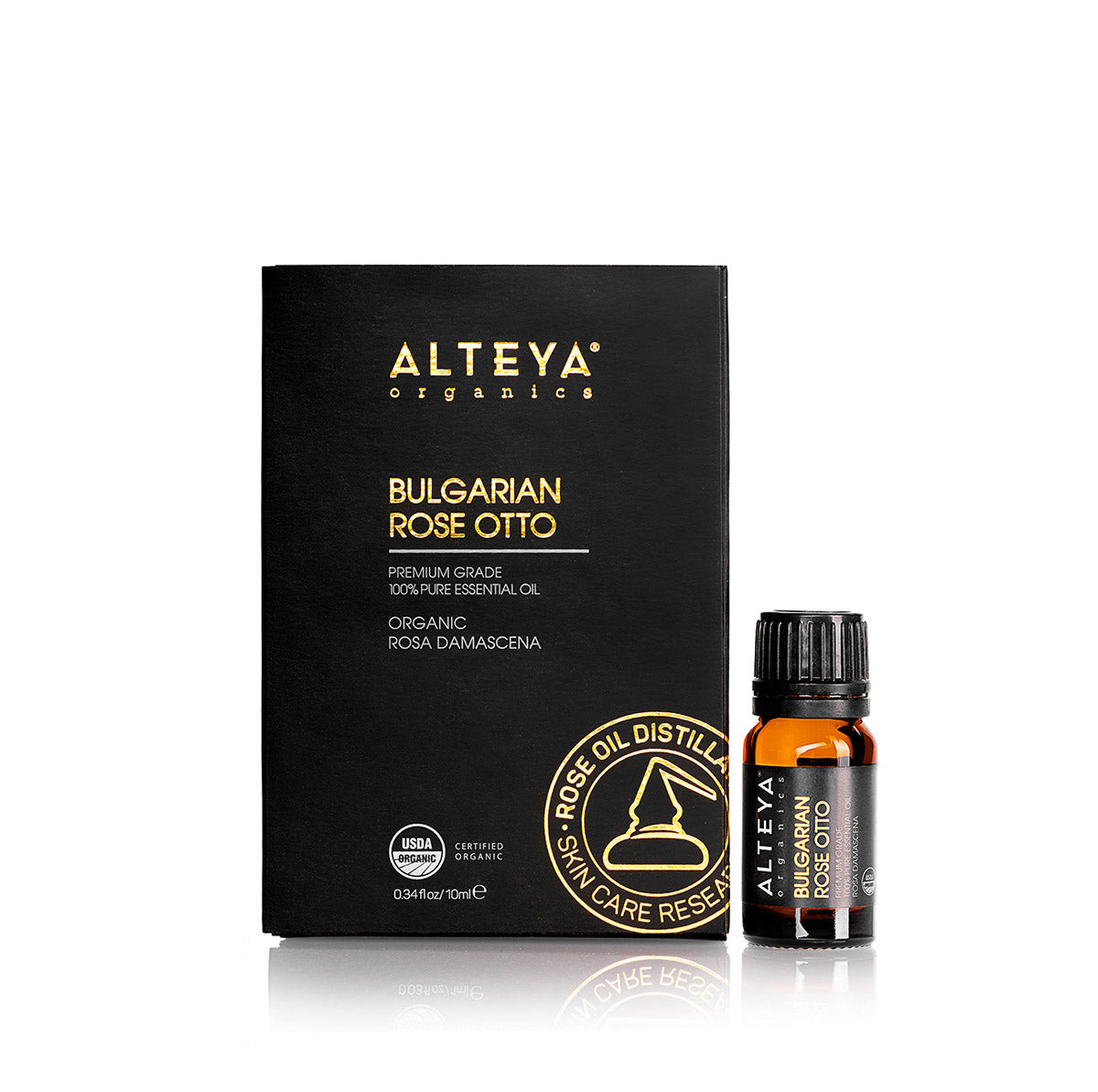
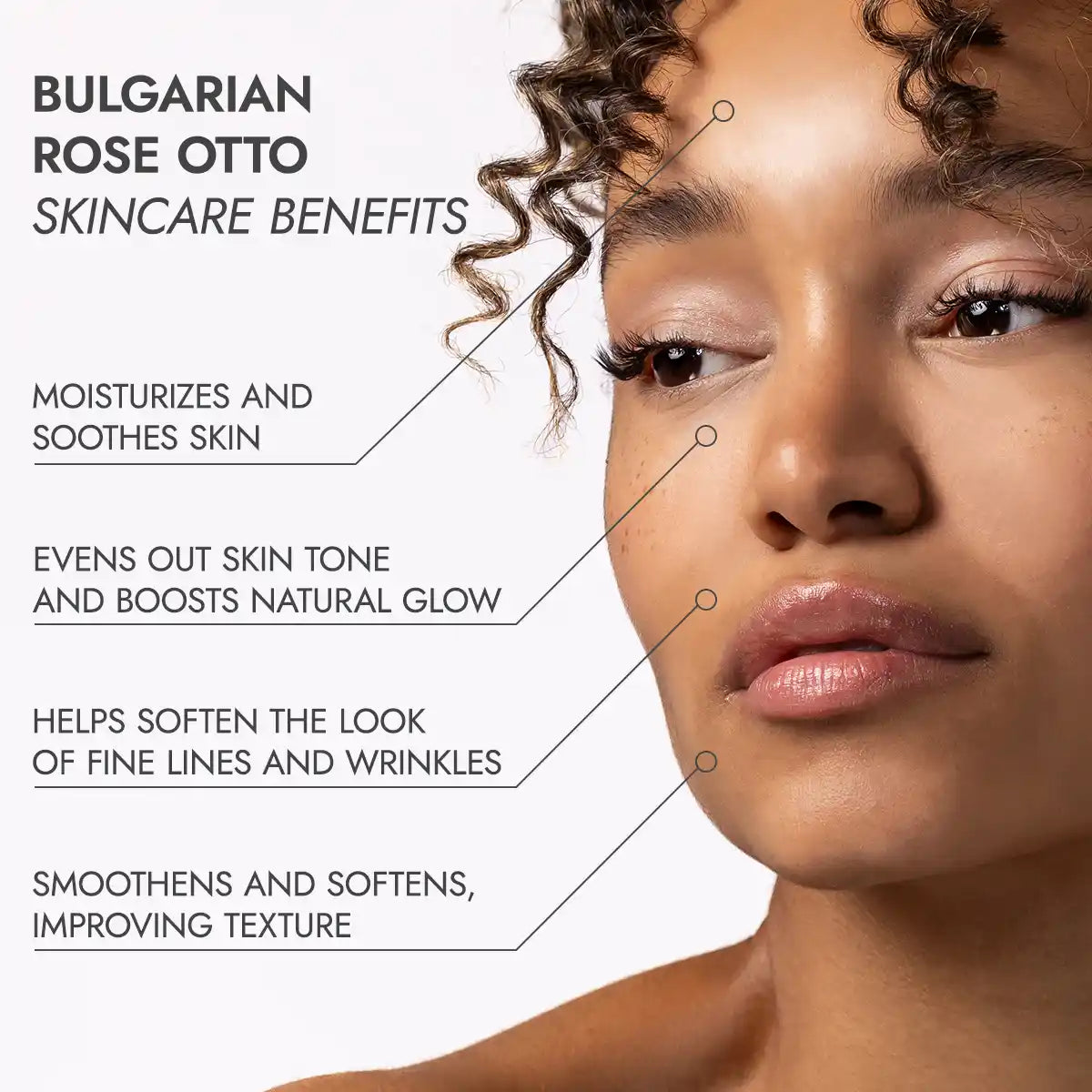
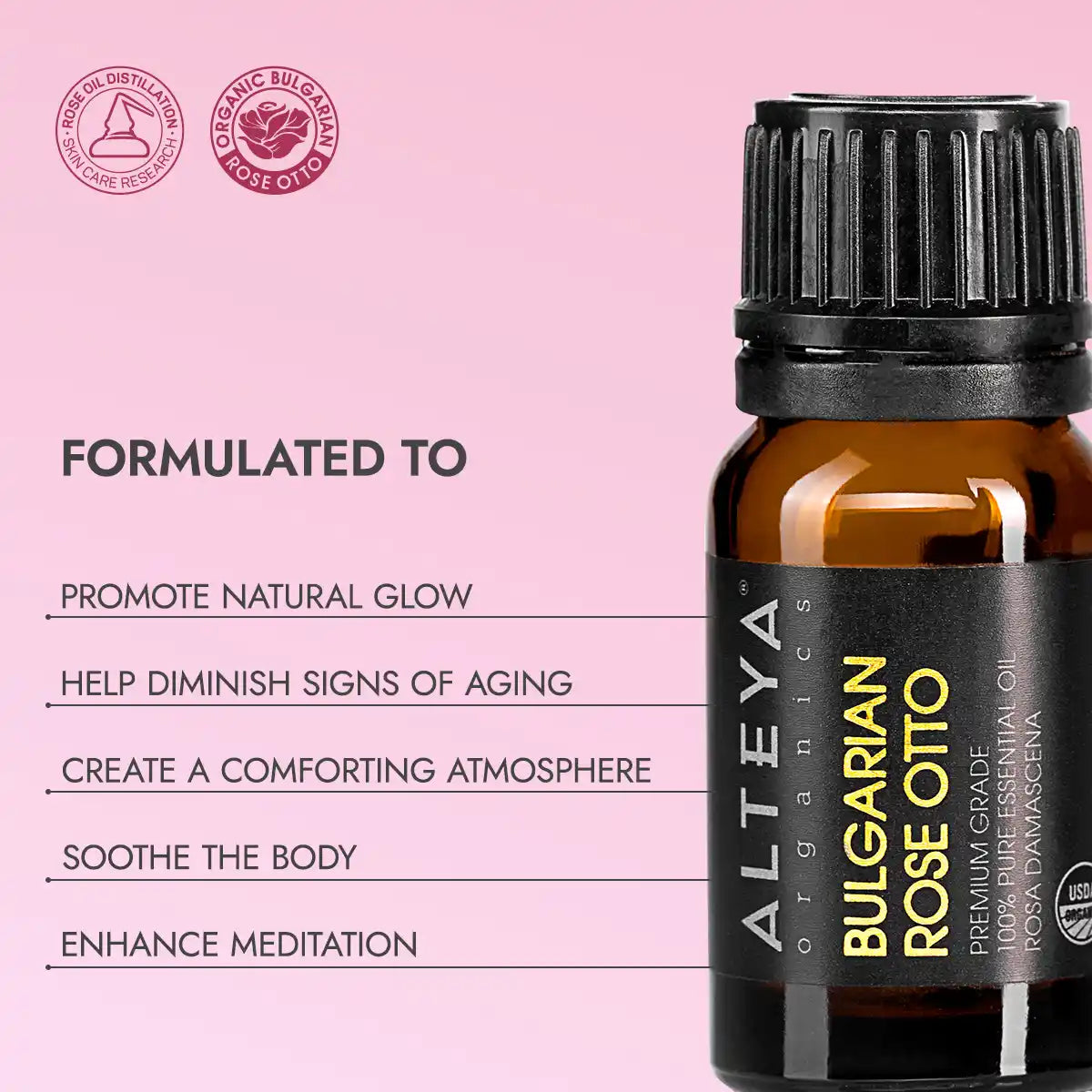
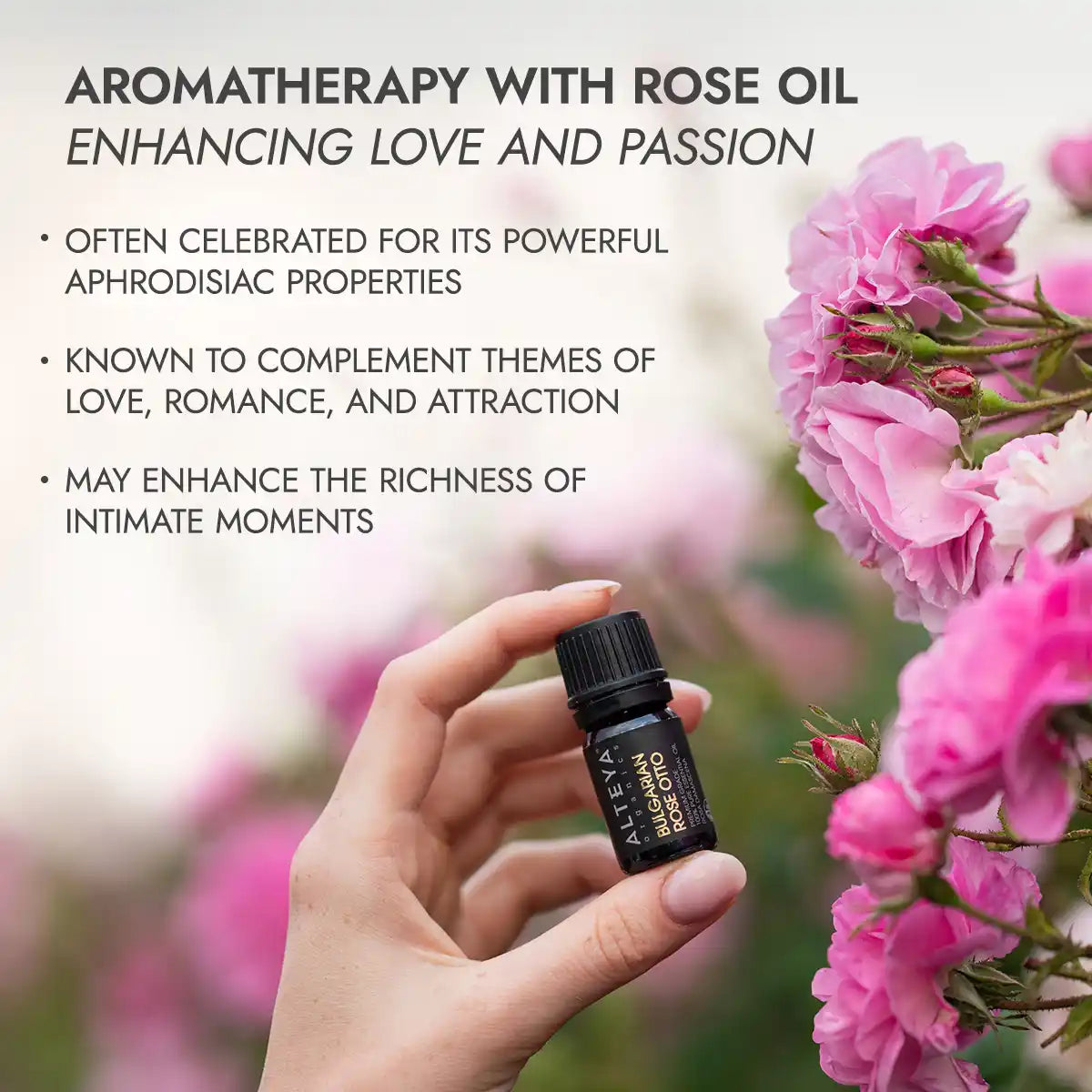
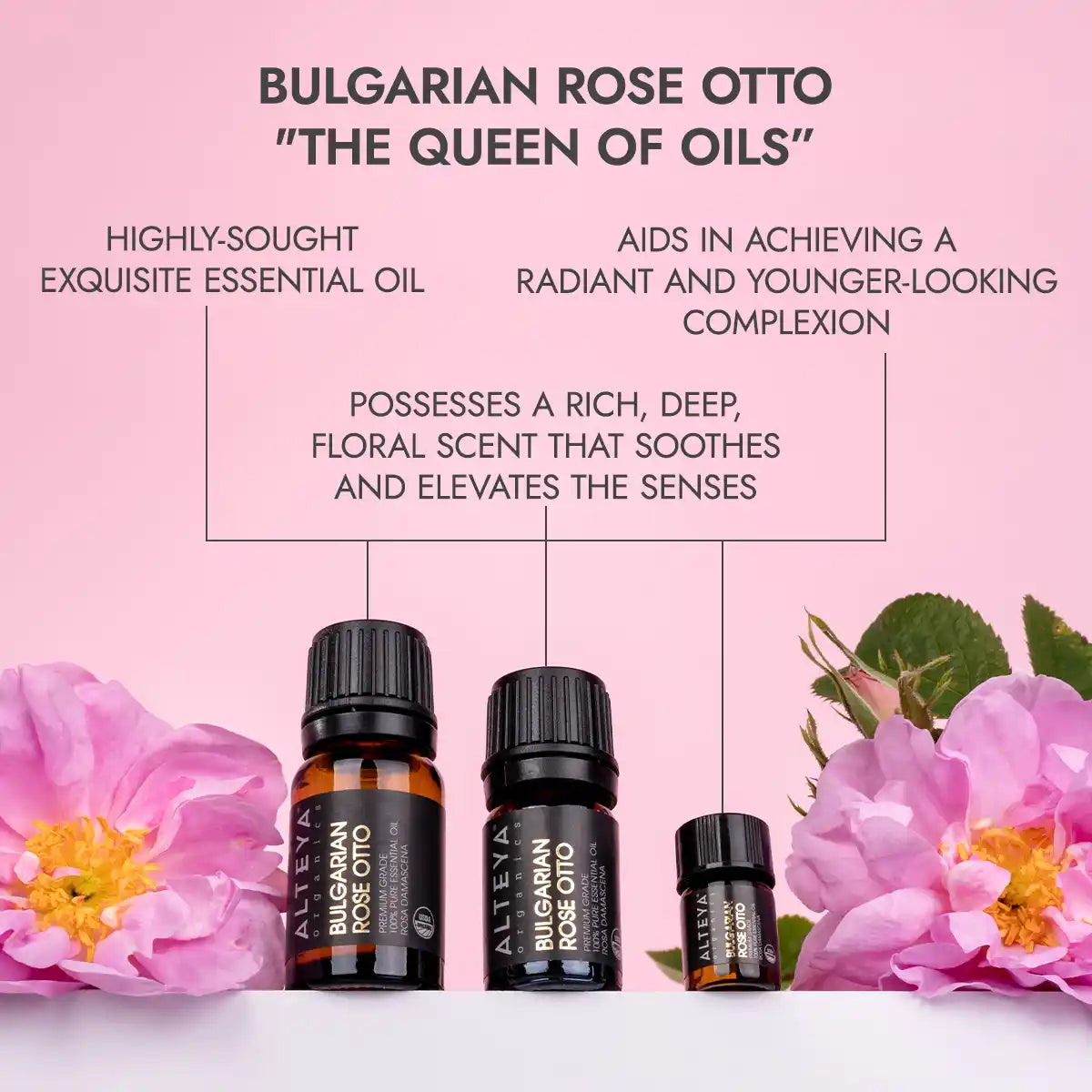
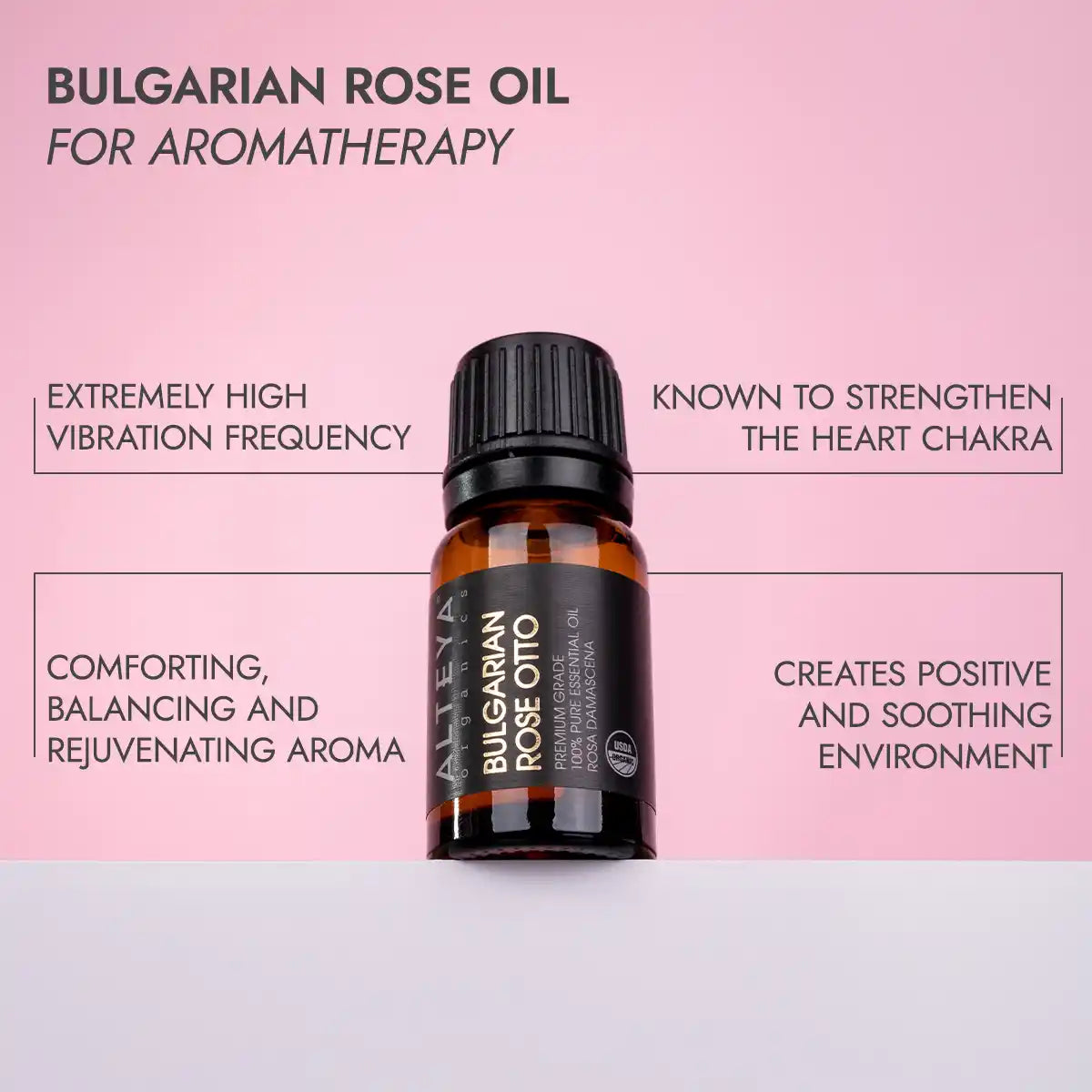
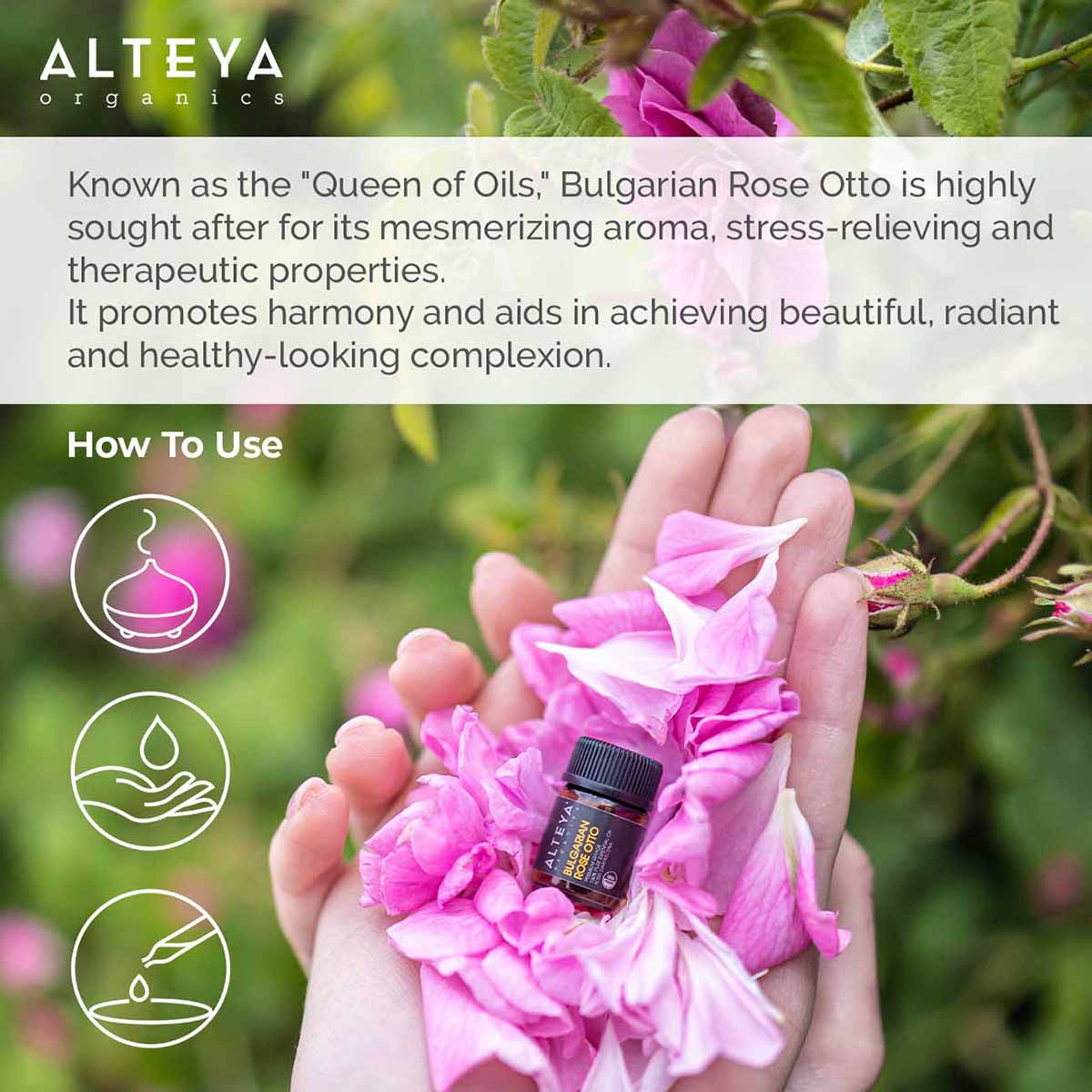
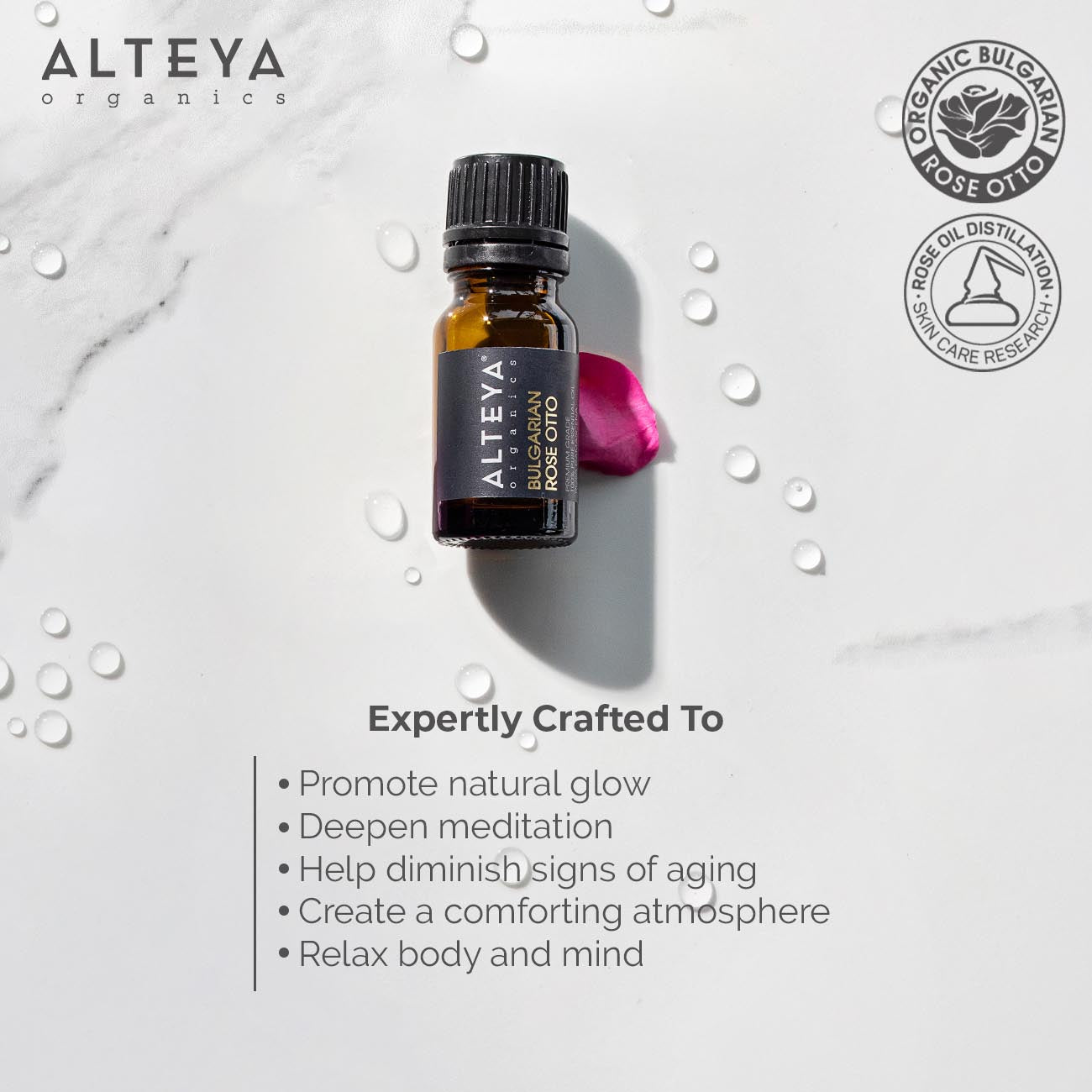
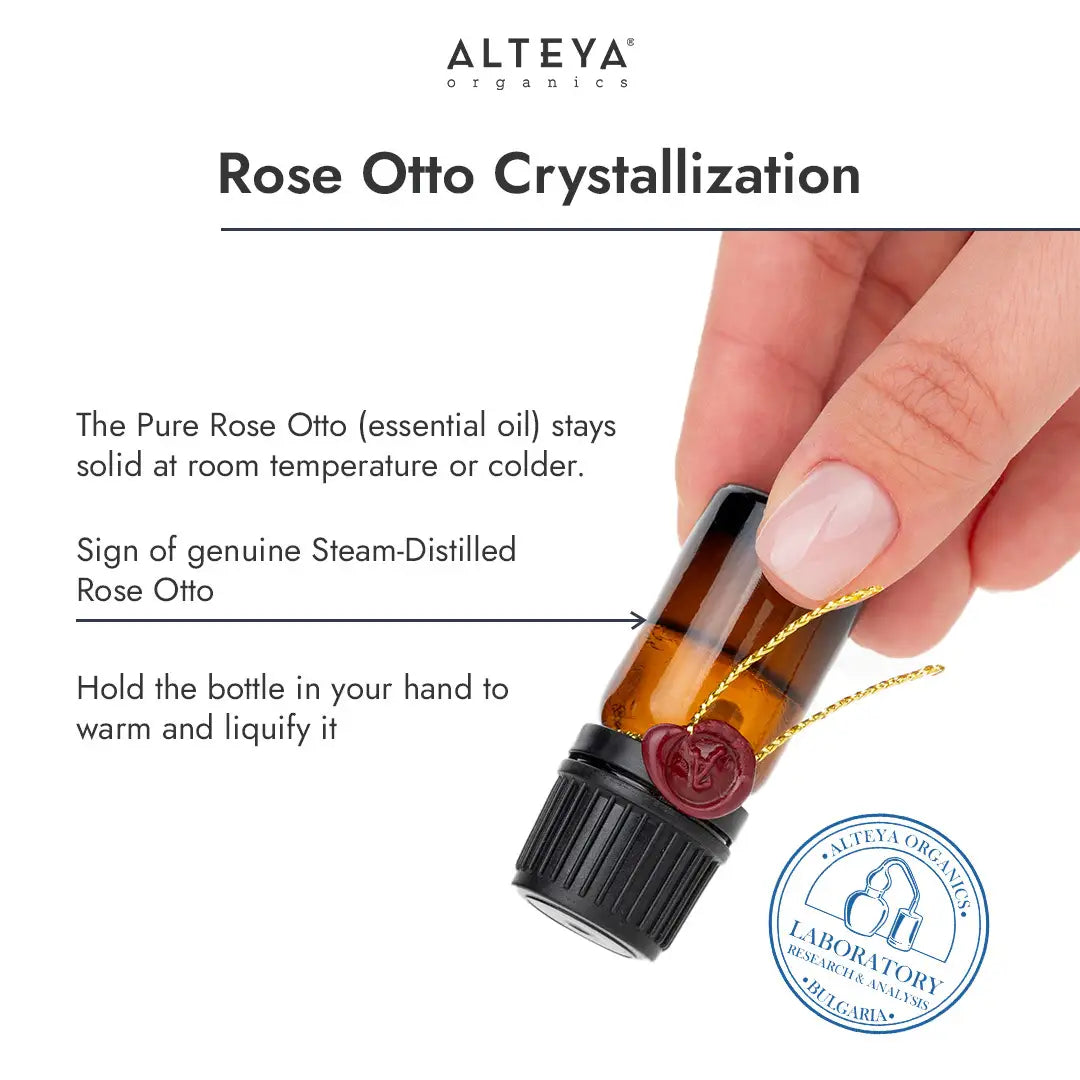
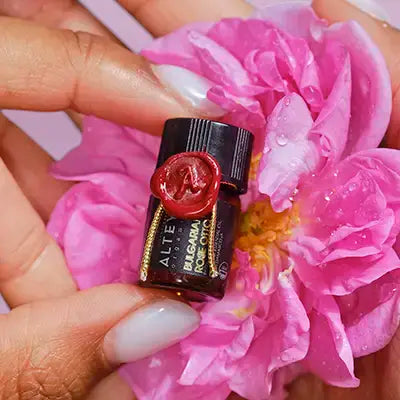
The Organic Bulgarian Rosa Damascena Oil (Rose Otto), obtained by steam distillation has one of the most valuable and distinct fragrances. Rose oil is widely used in the cosmetics and the perfume industry because of its complex molecular composition, healing, beautifying and therapeutic properties as well as its multilayered and deep fragrance.
Alteya’s Rose Essential Oil is certified organic according to the strict USDA, National Organic Program standards. Our organic roses are grown without the use of pesticides, herbicides, or any other harmful additives.
We offer our customers one of world’s most exquisite essential oil, Alteya’s steam-distilled USDA certified organic Bulgarian Rose Oil-Rose Otto, a 100% pure, natural oil that does not contain any pesticide or herbicide residues.
4. It helps maintain emotional and spiritual balance
The tender rose oil aroma is known to have a harmonizing effect on human emotions by boosting feelings of love, compassion, and peacefulness. It is often used in different spiritual practices to stimulate feelings of self-love, compassion, and connection with the divine. Rose oil aroma can create a kind of sacred space for meditation and introspection. For this purpose, it can be added to aroma diffusers or lamps to create a stimulating meditation atmosphere.
5. It is a powerful hair elixir
Perhaps you have already started wondering if rose oil can help improve the condition of your dry, exhausted hair. The answer is a resounding “YES!” When added to hair products, it penetrates in depth to hydrate both hair and scalp, thus boosting hair growth and giving it natural shine. Due to its soothing properties, rose oil is safe to use on sensitive skin.
How to Use Rose Oil in Your Daily Skincare Routine
Rosa damascena rose oil should always be diluted before application — apply it directly to the skin. Follow these four steps for a safe and effective result.
Rose oil is a concentrated extract from Rosa damascena and should not be applied neat to the skin. Add 1–2 drops to 5 ml of a carrier oil — rosehip, jojoba or almond — or to your daily cream. The recommended concentration is 0.5–1%.
✦ Alteya Organics USDA Organic rose oil is concentrated — one drop is enough
After toner or floral water, place 2–3 drops of the diluted oil onto your palms. Rub your hands together to warm the oil, then gently press your palms onto the face — without stretching the skin or rubbing harshly. This method helps the oil spread evenly across the uppermost layer of the skin and is especially suitable for sensitive areas, including around the eyes.
✦ Best moment: immediately after face toner or floral water
Once the oil has been distributed, move into light circular and gliding motions using the pads of your fingers. The pressure should be minimal — the skin should not become strongly red or feel roughly pulled. Massage supports circulation, helps the oil penetrate more deeply and relaxes the facial muscles.
✦ The aromatherapeutic effect begins as you inhale during the massage
Rose oil works most effectively as the final step of an evening routine, before sleep. Night-time is when the skin regenerates, and the antioxidant and anti-inflammatory properties of Rosa damascena support this process. Use 2–3 times per week for a visible result after 4–6 weeks.
✦ Do not apply before direct sun exposure without additional SPF protection

6. It accelerates wound healing
In 2014, an international team of experts from the USA, Egypt and Saudi Arabia published an interesting research paper in Global Journal of Pharmacology (Resource No 2). Those experts found out that rose oil has а broad spectrum of antimicrobe and antifungal effects. In other words, rose oil can help us against some bacteria and fungi. Due to these properties, Rosa Damascena essential oil can be used to treat small wounds, cuts and minor skin irritations.
7. It reduces stress
It has been proven that rose oil aroma therapy reduces the levels of cortisol – the stress hormone (Resource No 3). It makes it an excellent natural means of reducing emotional tension and anxiety.
8. It acts as an aphrodisiac
Rose oil has long been linked to romance and intimacy. Its seductive smell can help create sensuous atmosphere, sharpening intimate emotions and desires. A curious fact that the scientists who carried out the above-mentioned study (Resource No 3) revealed was that rose oil smell had a stronger effect on men than on women.

9. It eases coughing
One of the less popular in Bulgaria properties of rose oil is its power to ease spasms of the respiratory system. Nevertheless, in the Arab world, it is widely known as a cure against cough. Inhaling rose aroma (tiny droplets or rose oil) can be used as a supplementary treatment of respiratory problems like asthma, different allergies and prolonged dry cough.
10. It has anti-convulsion effects
A growing number of modern, in-depth scientific experiments on rose oil keep reveling valuable new properties and possible applications. For example, a double-blind clinical research of 2005 revealed that Rosa Damascena essential oil has a positive effect on reducing the number of seizures in epileptic children (Resource No 4).
11. It improves digestion
Another important application of rose oil is related to its beneficial effect on the digestive system. It stimulates bile secretion, which balances digestion and relieves symptoms like abdominal bloating (excess intestinal gas) and diarrhoea. It is also a popular natural remedy against constipation due to its laxative properties.

12. It acts as an anaesthetic
Did you know that rose oil aromatherapy can act as a painkiller? It is precisely due to this effect that it has been used for centuries in the Arab world to relieve menstruation pain. Today this effect has been scientifically proven by clinical tests on people (Resource No 3). Whether you choose to use it in an aroma diffuser or applied by aroma massage, Rosa Damascena essential oil would help!
13. It is a powerful antioxidant
No matter that we already mentioned this property in short, now, to close the topic, we would like to look at the antioxidant properties of rose oil more closely. Free radicals are unstable, highly reactive molecules which are naturally produced in the body during different metabolism processes but their number can also increase due to external factors like pollution, excessive stress or unhealthy food. When the number of such free radicals in the body is too high, they can damage different cells, proteins and the DNA molecule.
Antioxidants, on the other hand, are substances that bind free radicals and thus neutralize them. When our bodies fail to produce enough antioxidants or receive them with the food to successfully fight free radicals, a condition called oxidative stress develops. This condition contributes to premature skin ageing, internal inflammations and different health issues. This is the very reason why antioxidants are so important for our skin and body health as a whole.
In 2019, a team of Bulgarian scientists carried out experiments on rose oil (Resource No 5) to find out if it can be effective against oxidative stress caused by UV and gamma radiation. The results supported what people knew way back in ancient times – “the liquid gold” is an extremely valuable addition to daily skincare.
It is stunning, isn’t it? Of course, rose oil is not the cure-all magical substance. It is important to note that people can be allergic to natural products as well. That is why, in case you have never used rose oil before, it is wise to perform an allergy test before including it in your cosmetic care or aromatherapy. If it proves to be good for you, do not miss the chance to make full use of its beneficial effects on your mind, body and spirit!
Frequently Asked Questions About Rose Oil
Rose oil is a concentrated essential oil obtained through steam distillation of Rosa damascena blossoms. Producing 1 kg of oil requires 3 to 5 tonnes of fresh roses. Alteya Organics produces certified organic rose oil directly from its own fields in the Bulgarian Rose Valley.
No. Rose oil is highly concentrated and must always be diluted in a carrier oil or cream to a concentration of up to 1% before it is applied to the skin. Direct use carries a risk of irritation. A patch test on a small area is recommended before adding it to a routine.
When properly diluted, rose oil can be applied 2–3 times per week as part of an evening routine. Daily use is acceptable at a low concentration (0.5%) and for normal skin. For sensitive skin, we recommend less frequent use and a mandatory patch test.
Yes. A 2023 study confirmed that rose oil from Rosa damascena can help protect the skin from UVB-induced photoageing and prevent collagen breakdown. Its antioxidant properties slow oxidative stress — a key factor in the appearance of fine lines.
Yes, aromatherapy with rose oil is a widely established practice. Clinical studies show that inhaling the aroma lowers cortisol levels — the stress hormone. Add 3–5 drops to an aroma diffuser or bath for a noticeable relaxing and mood-lifting effect.
The rose oil of Alteya Organics has a USDA Organic certification. The rose oil is obtained from the brand’s own organic plantations of Rosa damascena in the Rose Valley and meets strict standards.
Rose oil is known for its soothing and anti-inflammatory properties, which makes it suitable for sensitive skin when used at the correct concentration. We recommend starting with a 0.5% dilution and a mandatory patch test. If you have a skin condition, consult a dermatologist before use.
Yes. Added to hair care products or a plant oil for the scalp, rose oil deeply hydrates, stimulates growth and adds natural shine. Its soothing properties also make it suitable for a sensitive scalp. Use 1–2 drops in 10 ml of carrier oil.
Rose oil should be stored in a cool, dark place, away from direct sunlight. The recommended temperature is between 8°C and 20°C. Avoid damp rooms.
Resources:
1. Abdallah, H.M., Koshak, A.E., Farag, M.A., El, S., Badr-Eldin, S.M., Ahmed, Algandaby, M.M., Abdel-Naim, A.B., Ibrahim, M., Mohamed, G.A., Proksch, P. and Abbas, H. (2023). Taif Rose Oil Ameliorates UVB-Induced Oxidative Damage and Skin Photoaging in Rats via Modulation of MAPK and MMP Signaling Pathways. ACS omega, [online] 8(37), pp.33943–33954. doi: https://doi.org/10.1021/acsomega.3c04756.
2. Shohayeb, M., El-Sayed S., Bazaid, S., Maghrabi, I. (2014). Antibacterial and antifungal activity of Rosa damascena MILL. essential oil, different extracts of rose petals. Global Journal of Pharmacology. 8. 1-7. https://www.researchgate.net/publication/287527902_Antibacterial_and_antifungal_activity_of_Rosa_damascena_MILL_essential_oil_different_extracts_of_rose_petals
3. Mohebitabar, S., Shirazi, M., Bioos, S., Rahimi, R., Malekshahi, F. and Nejatbakhsh, F. (2017). Therapeutic efficacy of rose oil: A comprehensive review of clinical evidence. Avicenna journal of phytomedicine, [online] 7(3), pp.206–213. https://www.ncbi.nlm.nih.gov/pmc/articles/PMC5511972/.
4. Boskabady, M.H., Shafei, M.N., Saberi, Z. and Amini, S. (2011). Pharmacological effects of rosa damascena. Iranian journal of basic medical sciences, [online] 14(4), pp.295–307. https://www.ncbi.nlm.nih.gov/pmc/articles/PMC3586833/.
5.Karamalakova, Y., Nikolova, G., Kovacheva, N., Zheleva, A. and Gadjeva, V. (2019). Study of the radical-scavenging activities and radioprotective properties of Bulgarian essential rose oil from Rosa Damascena Mill. Bulgarian Chemical Communications, [online] 51, pp.101–107. Available at: http://www.bcc.bas.bg/BCC_Volumes/Volume_51_Special_A_2019/B-pdf-ready/BCC-51-A-2019-101-107-Gadjeva-B16.pdf [Accessed 25 Jul. 2024].


Autor: Alteya Organics
At Altеya Organics, we combine the art of organic rose cultivation and distillation with skincare innovations. Thanks to our research and development team, we are proud to offer professional, nature-inspired skincare.
Read more

Rose water – what to use it for and how?
Undoubtedly, you must have heard many times how beneficial rose water is. But do you, in fact, know what rose water really is and how to use it to a best effect? The fragrant liquid is produced thr...
Read more
What is hyaluronic acid and what benefits can it bring to your skin?
In the world of modern cosmetics there are some substances that have acquired a kind of magical status. One of them, undeniably, is hyaluronic acid. It is a common ingredient in a wide range of cos...
Read more
Leave a comment
This site is protected by hCaptcha and the hCaptcha Privacy Policy and Terms of Service apply.